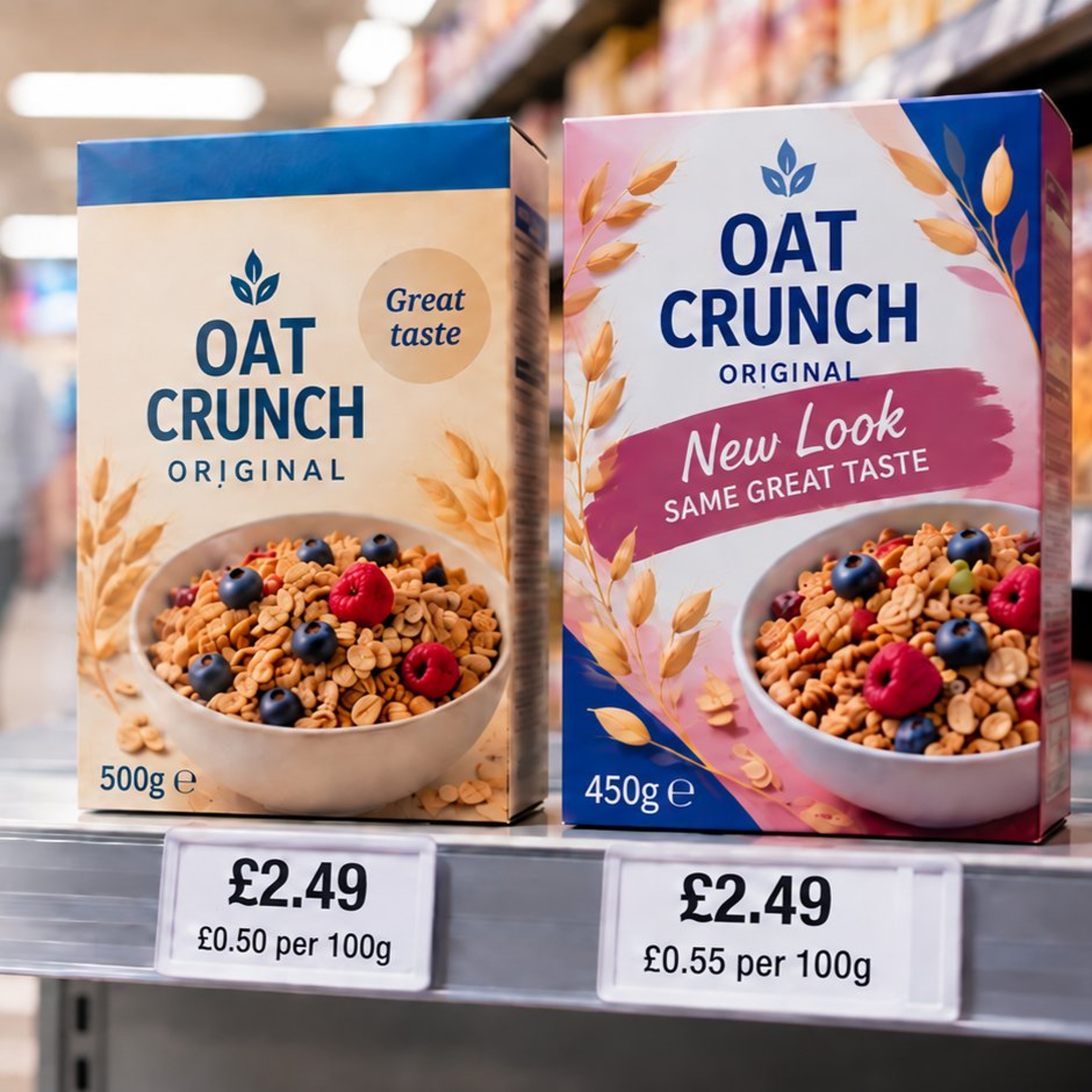
Many consumer packaged goods companies attempt to increase profits through shrinkflation, reducing product sizes while simultaneously raising prices and marketing the changes as innovative relaunches. Although these deceptive practices can temporarily boost short-term sales, they ultimately erode consumer trust and brand loyalty as modern shoppers grow increasingly value-conscious and watchful. Furthermore, new regulations in countries like France and Austria now require retailers to explicitly flag shrunken products on store shelves, exposing companies that rely on hidden price increases. To avoid public backlash and reputational damage, businesses must prioritize customer centricity by evaluating product renovations from the consumer's perspective and ensuring that any cost-saving measures are paired with genuine value. Companies can achieve this by implementing structured assessment tools, such as the QC2 lenses, which examine how corporate processes, brand promises, and internal strategies align with actual consumer perception.