This digital story recording was created in conjunction with the Smithsonian's Museum on Main Street program and its Stories from Main Street student documentary initiative, called "Stories: Yes." The project encourages students and their mentors to research and record stories about small-towns and rural neighborhoods, waterways, personal memories, cultural traditions, work histories, as well as thoughts about American democracy. These documentaries are then shared on Smithsonian websites and social media.
Curator Jason Schubert of the J.M. Davis Arms & Historical Museum in Oklahoma discusses unique artifacts from the Museum's collection in this Museum Minute series. Students at Northeast Technology Center in Claremore, Oklahoma, collaborated with the Museum to explore both the job of curating at a museum and the background stories of museum objects.
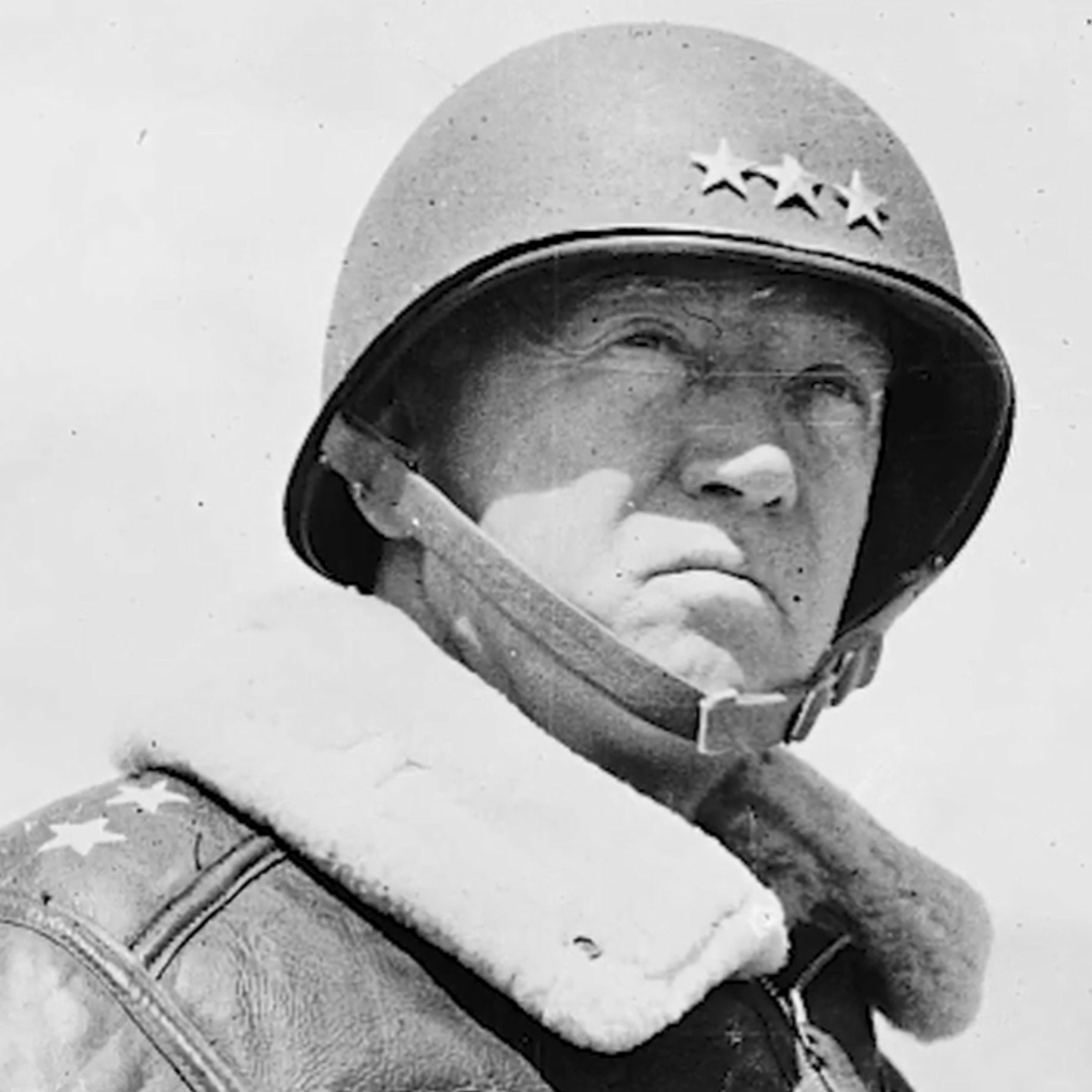
Jason Schubert (00:13): The very last sword adopted by the United States Army was this monster. Model 1913 Saber or commonly known as the Patton Saber, named after its inventor then Lieutenant George S. Patton. Now before Patton was a general in the US Army in World War II, a Lieutenant Colonel in tank corps of the US Army in World War I, he was a cavalryman and a cavalryman needs a good blade.
Jason Schubert (00:51): Everything Patton did had to be perfect and so he studied. Patton studied swordsmanship throughout Europe and one of the things he learned was that the French concept of a thrusting cavalry sword was a lot stronger than the English or other countries' curved design of their sword. Patton kind of knew what he was doing. He did it very well. He wrote booklets on cavalry tactics, both horse mounted and hand to hand combat, and another amazing thing that we have thanks to George S. Patton.
Jason Schubert (01:39): Now it never saw action because during World War I, the tactics changed so much that the heavy horse charge just was no longer part of the game plan. So a lot of these sword sat in warehouses and then comes along World War II and the American GI needed a fighting knife. So somebody had the bright idea of how about we take these wonderful blades, these great, great steel blades and cut them and make three different kinds of knives.
Jason Schubert (02:26): And so that's what somebody did. They would sharpen the blade there. They'd cut it, make a sphere or a clip point in the middle. You'd have a blade so long. And it was put into a hard plastic kind of an early plastic, a Bakelight handle with a point. And then they would also do the same thing for the end, but they would keep the original point, just sharpen it up some more.
Jason Schubert (02:52): So our last Sabre that didn't see combat did find its way onto the battlefield of World War II as three different kinds of fighting knives. I'm Jason Schubert with the J.M. Davis Arms Historical Museum, and this is Museum Minute.
Asset ID: 2022.01.06