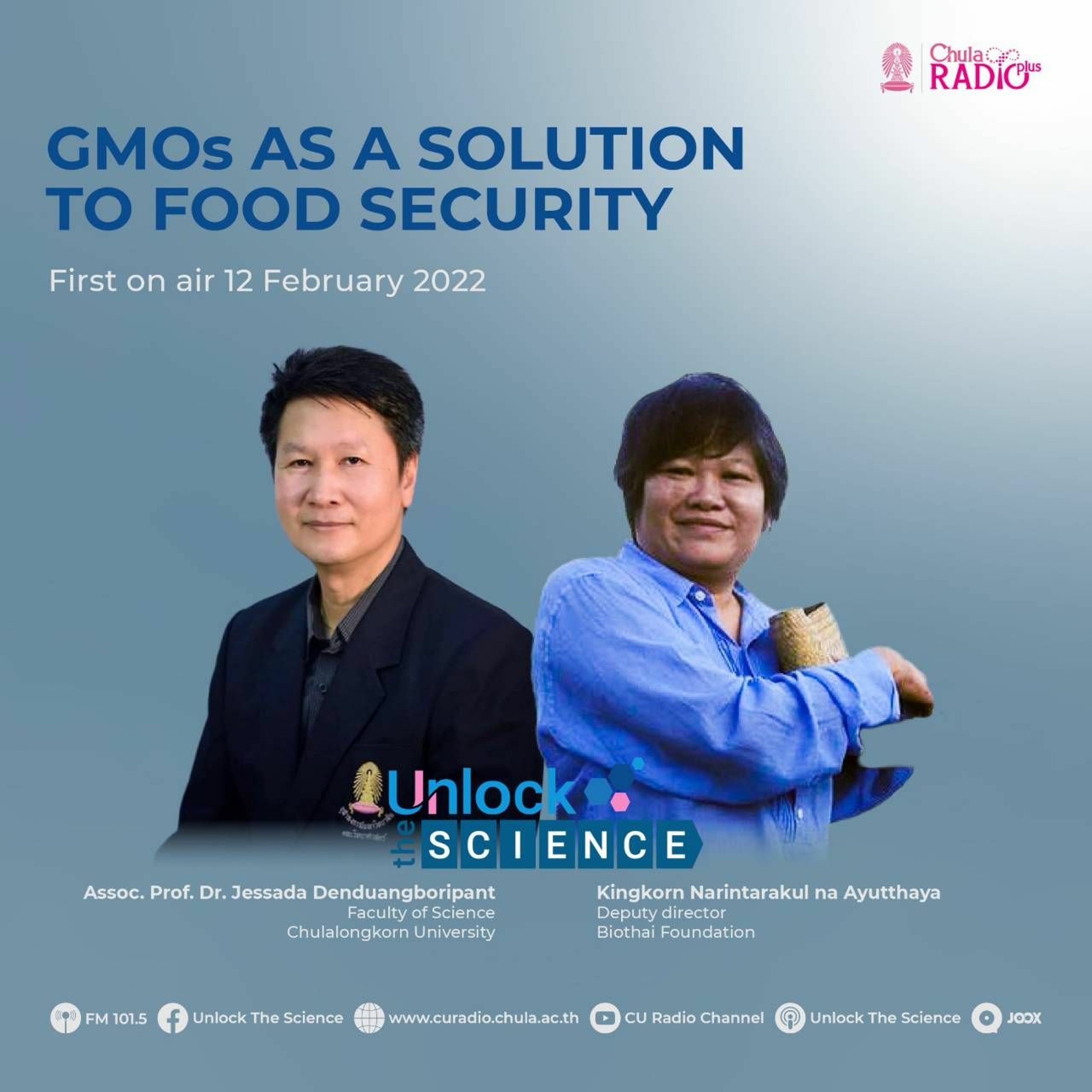
The industrialization of agricultural production has led to significant increase of global cereal products, especially wheat and rice. Within the span of around two decades, a study in 1998 found that cereal production in developing nations more than doubled between the years 1961 and 1985. However, a 2021 report by Food and Agriculture Organization (FAO) disclosed that as of 2020 the world still failed to sufficiently feed almost 10 percent of the world’s population or almost 770 million people. The situation is specifically dire in Africa and Asia, which are the first and second region that have the highest level of the prevalence of undernourishment. FAO estimated that there is a need to produce about 50 percent more food by 2050 in order to feed the increasing world population and overcome the shocks and stresses to global food system from environmental degradation and climate crisis. Some scientists have proposed the utilization of genetic modification technology to be the new driving force for the next agricultural revolution. But the development of genetically modified organisms, or GMOs, comes with many controversies. Assoc. Prof. Dr. Jessada Denduangboripant from Department of Biology, Faculty of Science, Chulalongkorn University, and Kingkorn Narintarakul na Ayutthaya, deputy director of Biothai Foundation, discuss the pros and cons of GMO technology.