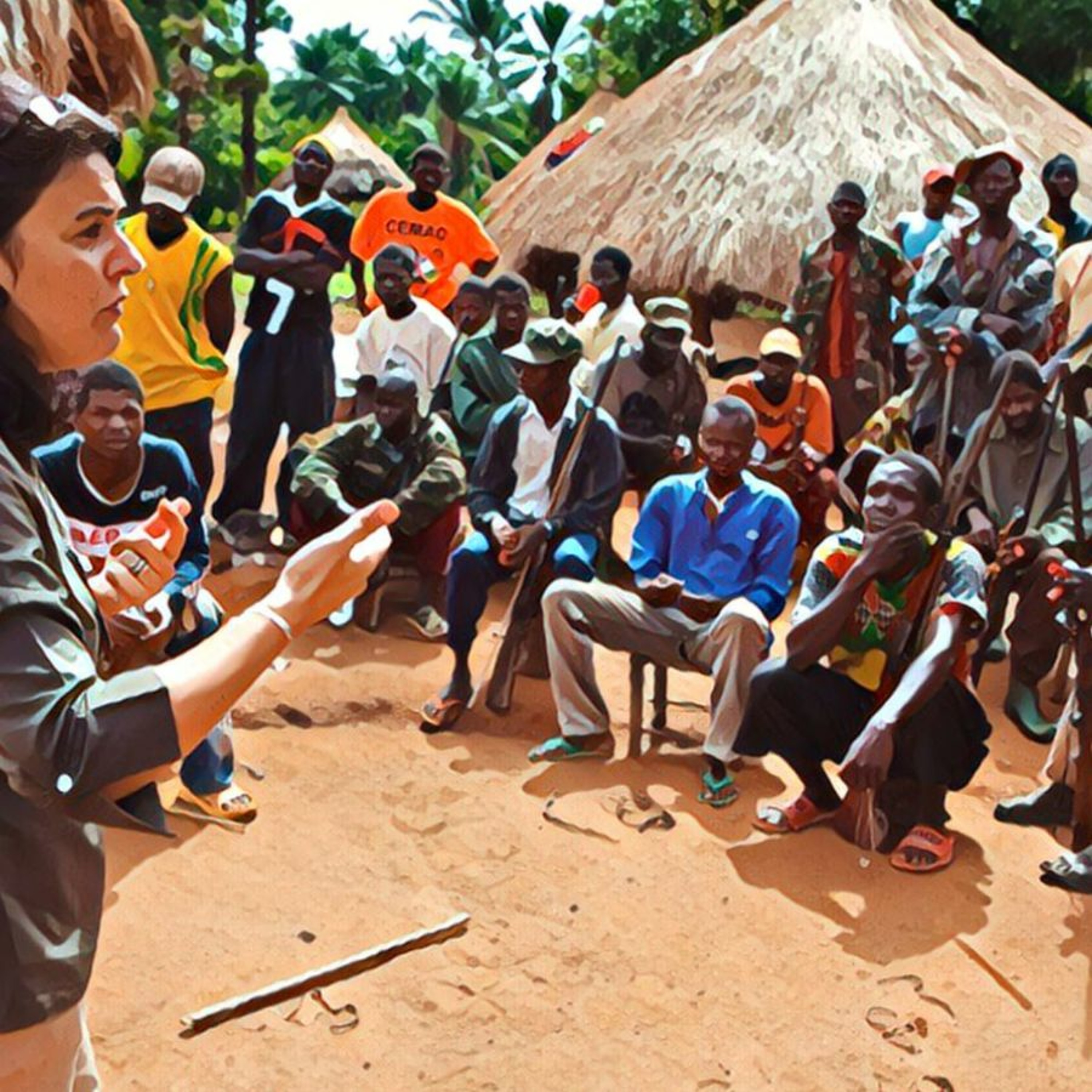
Translation has often been regarded as an act of ‘betrayal’, for the impossibility of transferring the exact same messages between different languages. Yet, if seen for what it really is – the road to cross-cultural understanding and communication – translation can be valued for bridging the gaps between human beings. Translation as part of humanitarian response plays a crucial role in identifying and responding to the needs of affected populations. A ‘faithful’ translator to the humanitarian mission contributes to acceptance and humanitarian access.
In this post, Rasha Mahmoud Abdel Fattah, Head of Arabic Translation at the ICRC Regional Communication Center in Cairo, challenges the claims of betrayal and infidelity of translators and examines the process of translating into Arabic in a conflict-stricken region that poses linguistic, communicative, and cultural challenges.