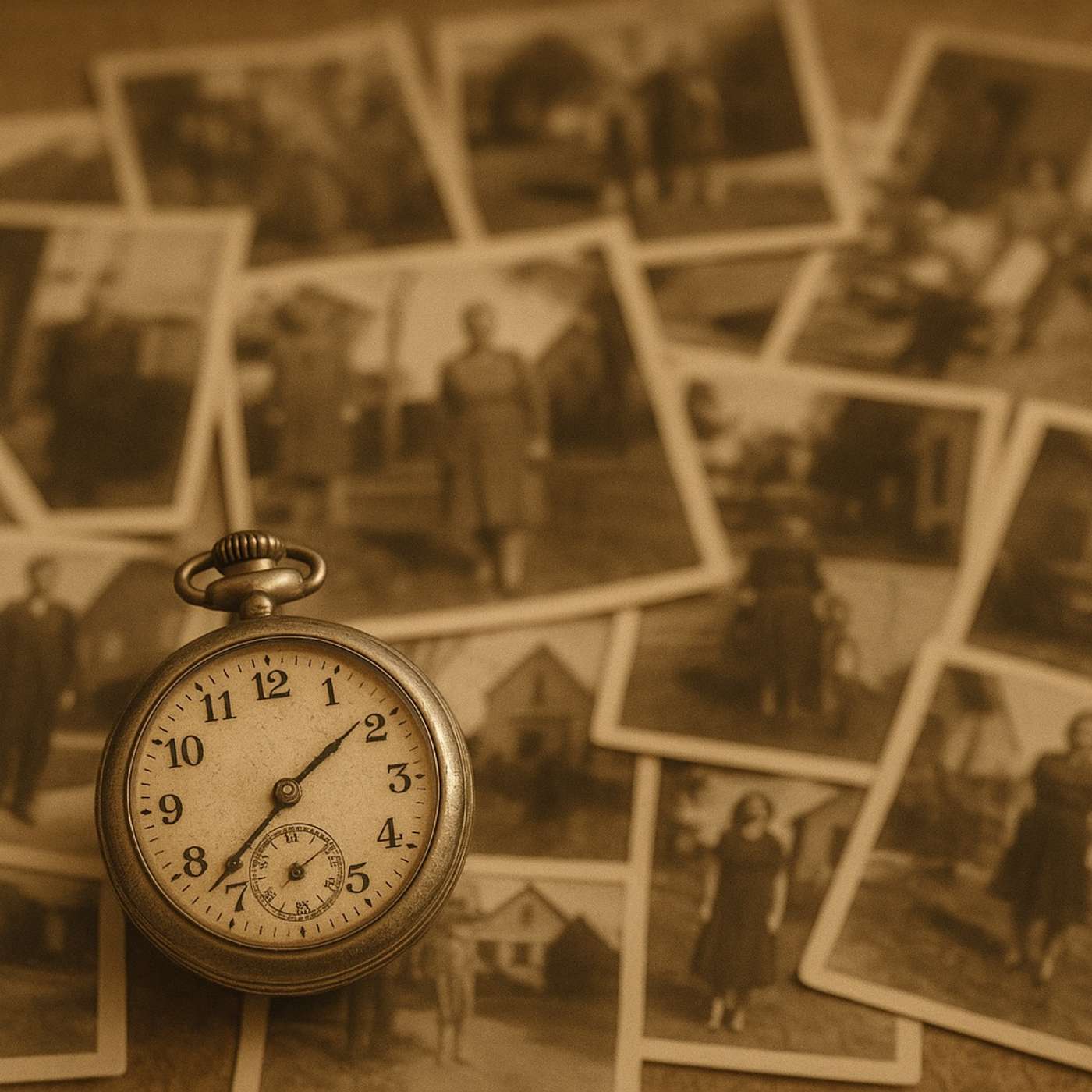
"Nostalgia" is a portmanteau coined in 1688 by Johannes Hofer, combining the Greek nostros (homecoming) and algos (pain, ache). Hofer was a medical student, and he invented this term to describe a kind of melancholia, a somewhat depressive state–- and so, from its inception, "nostalgia" was viewed as a mood disorder. For the Romantics, it was a sentimentality for the past, the good old days of yore, combining the sadness of loss with a joy that that loss is not complete or total.
Nostalgia is also paradoxical, because the past we long for and re-member is a past that was never present. If it is a "homecoming," what one discovers in returning home, as Odysseus does, is that there is no "there" there.
That is, nostalgia is always unheimlich ("unhomely") or more accurately, "uncanny." It always involves a manner of self-deception about what was by distorting or idealizing the past. This can often have negative, even dangerous consequences: individually, socially, and politically.
More than just a "mood," nostalgia is a vector of philosophical investigation par excellence that opens onto a wide range of themes: memory, time, the hermeneutics of personal identity, and even reality itself.
So, pour a drink, and let's see what might be problematic about what we "fondly remember"!
Full episode notes available at this link:
https://hotelbarpodcast.com/nostalgia
---------------------
SUBSCRIBE to the podcast now to automatically download new episodes!
SUPPORT Hotel Bar Sessions podcast on Patreon here! (Or by contributing one-time donations here!)
BOOKMARK the Hotel Bar Sessions website here for detailed show notes and reading lists, and contact any of our co-hosts here.
Hotel Bar Sessions is also on Facebook, YouTube, BlueSky, and TikTok. Like, follow, share, duet, whatever... just make sure your friends know about us!