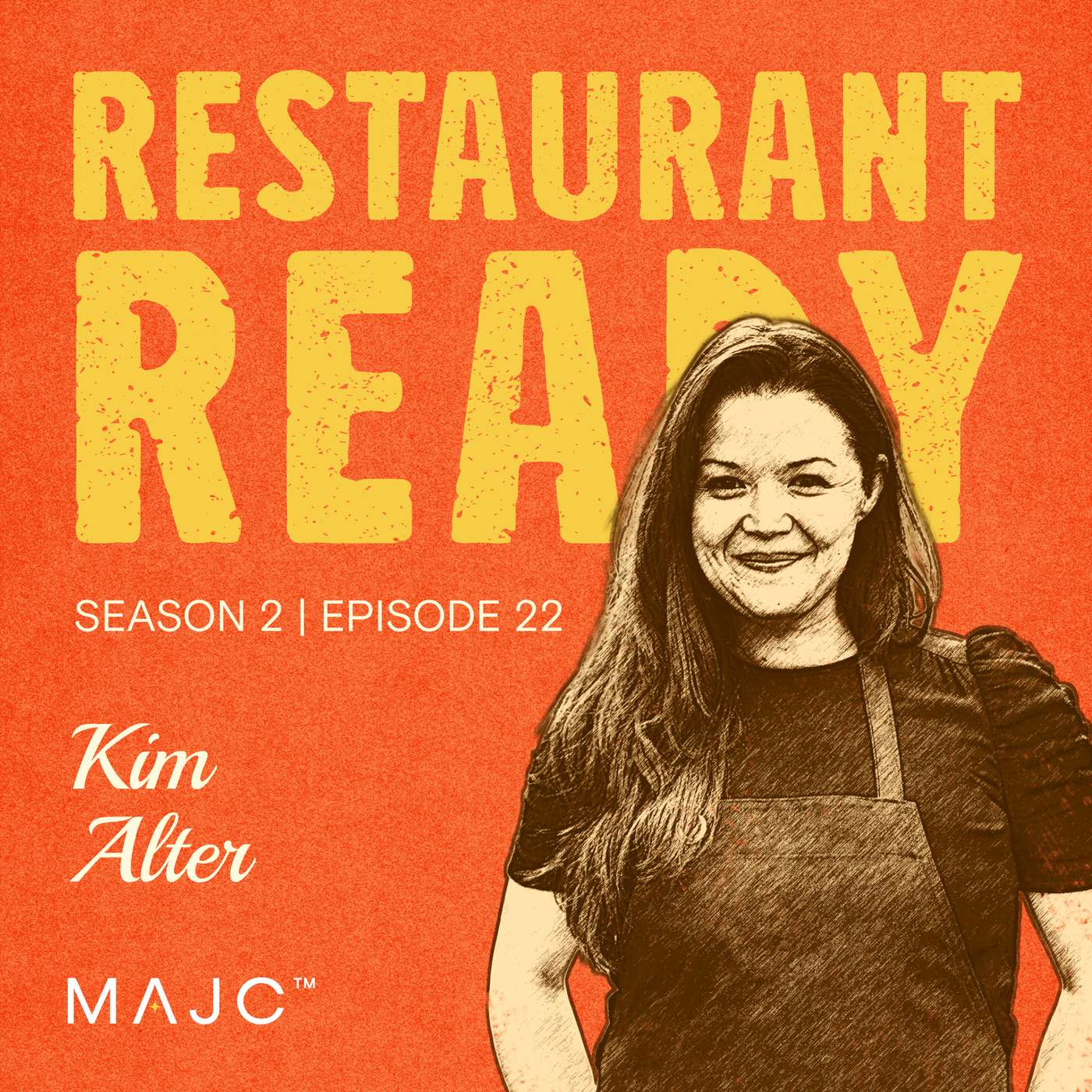
Kim Alter is a San Francisco-based chef and restaurateur, and the owner of Nightbird and Linden Room. Since opening Nightbird in Hayes Valley in 2016, she has built a refined, highly personal tasting menu restaurant around seasonality, precision, intimacy, and control. In this episode, Kim shares why restraint can be a smarter growth strategy than scale, how sustainability has to include staff, farmers, finances, and guests, and why building a durable restaurant often comes down to putting your head down, doing the work, and evolving with your community.
Takeaways
- Small restaurants can be financially strong when the model is controlled
- Restraint can protect both experience and profitability
- Independence slows growth but preserves decision-making power
- Debt and outside capital can limit creative and operational freedom
- A tasting menu restaurant can still serve a neighborhood
- Sustainability has to include staff, farmers, costs, and community
- Full utilization turns creativity into financial discipline
- High-quality ingredients require stronger systems, not higher waste
- Consistency matters even when the menu changes constantly
- Staff benefits are part of sustainability, not separate from it
- Mental health days, health insurance, and schedules shape performance
- Personality fit matters as much as technical skill in a small team
- Fine dining has to offer an experience, not just excellent food
- Free labor and toxic discipline no longer belong in the model
- Accolades matter less than bills paid and investors repaid
- Depth requires evolution, gratitude, and daily work
Want to connect directly with industry thought leaders like today’s guest?
MAJC✨ has built a community of hospitality professionals, where insights and tools help drive sustainable, profitable businesses. To get early access to the MAJC✨ community, sign up at www.MAJC.ai.