What you’ll learn:
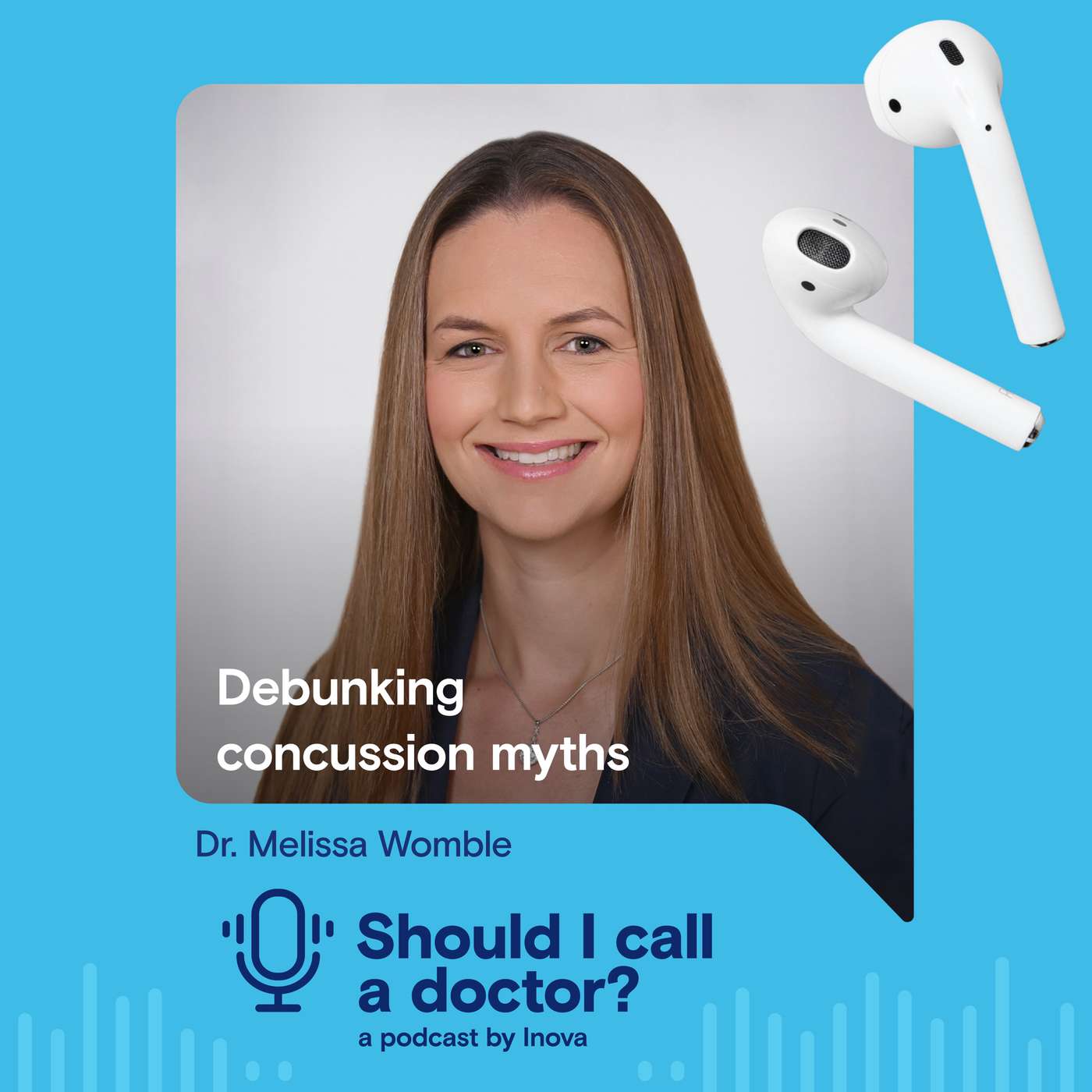
In this episode, we explore the important topic of concussions, which affects not only athletes but also parents, coaches, and anyone concerned about brain health. We are joined by Melissa Womble, PhD, a fellowship-trained neuropsychologist and Director of Inova Sports Medicine Concussion Program and co-director of the Inova Concussion Program. Dr. Womble specializes in concussion research and treatment. Listen in as we discuss common misconceptions about concussions and provide clarity on this often misunderstood subject.
Featured guest:
Dr. Melissa Womble
Neuropsychologist
Inova Sports Medicine Concussion Program
Key takeaways with chapter markers:
FAQs:
What is a concussion?
A concussion is a form of brain injury that usually happens when there's a direct hit to the head, like a collision with another person's head or an elbow. It can also occur from indirect impact to the body that shakes the head, which is common in car accidents.
When the brain takes a hit, it can shake enough to disrupt its cells, called neurons. This shaking leads to a chemical change that impacts how your brain processes information. The brain cells have a harder time communicating with each other, which can cause the various symptoms associated with concussions.
What are typical concussion symptoms and when should I see a doctor?
Common symptoms include headache, nausea, fatigue, feeling ‘foggy’, difficulty concentrating, irritability, feeling more emotional, sleeping more, drowsiness or trouble falling asleep. Seek emergency medical care if you experience persistent or worsening headache, seizure or loss of consciousness, neck pain, weakness or numbness in extremities. Get more guidance.
How long does it take to heal from a concussion?
A concussion can cause various symptoms that affect your physical wellbeing, thinking, emotions and sleep. These symptoms usually last one to four weeks, though they can persist for longer. Activities like thinking hard, being active or socializing may initially worsen symptoms, but engaging in them can help improve the situation over time. Most patients start to feel better within a few days, especially after the first 72 hours. It's important to monitor their progress and consult a healthcare professional if you have concerns.