Opening Reflection
- Growing up in a world before personal computers were common
- Using a typewriter for college assignments
- Writing a handwritten birthday note in cursive decades later
Core Idea
- Tools change, but meaning changes with them
- What becomes common turns invisible
- What becomes rare often becomes more meaningful
The Shift in Writing
- Cursive
- Once frustrating and required
- Now slower, deliberate, personal
- Typing
- Once dismissed as unimportant
- Now the backbone of modern work and communication
A Mother’s Advice
- Early advice: “Learn how to type”
- Initially ignored and underestimated
- Later proved essential in the digital age
Technology Evolution
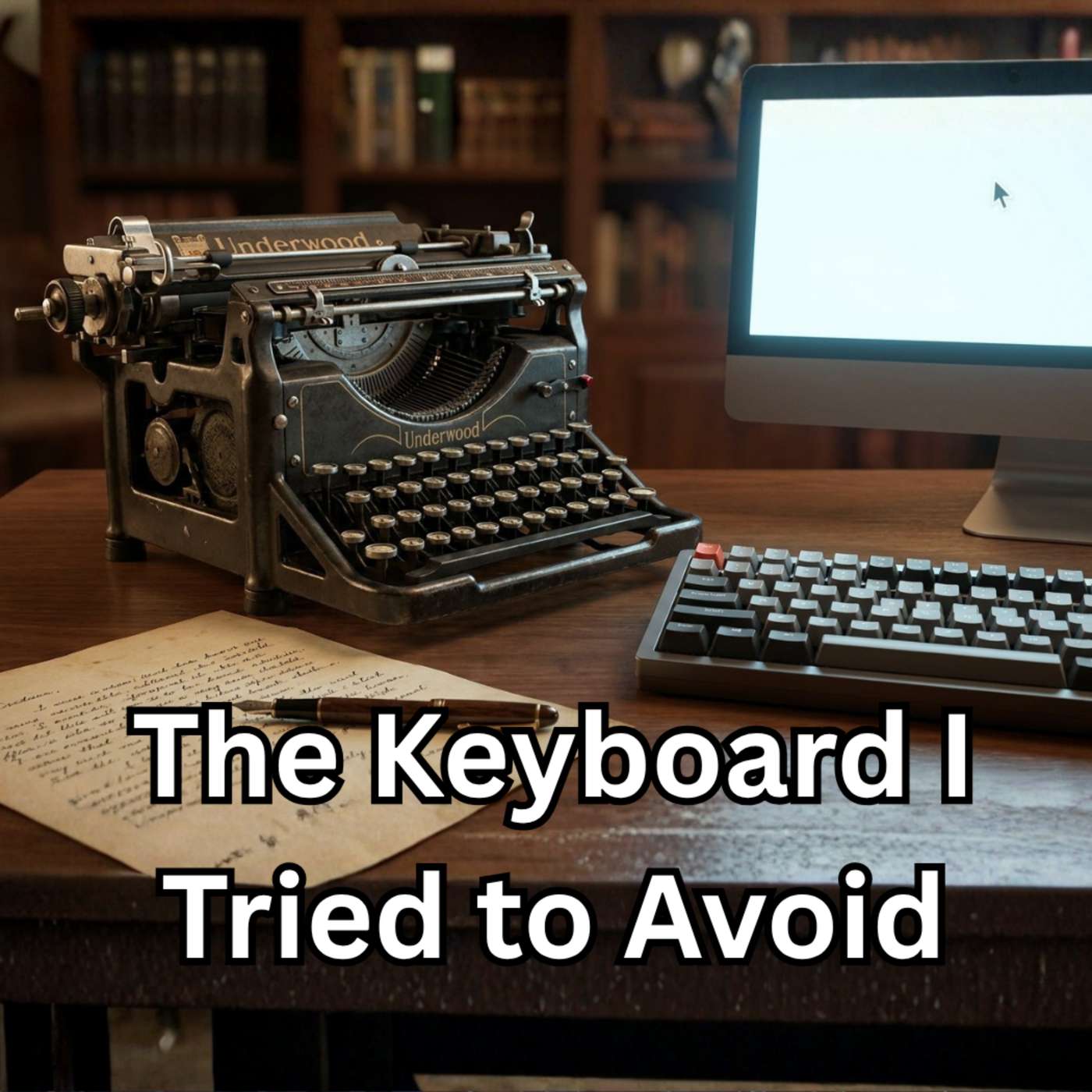
- From typewriters → personal computers → AI chatbots
- Writing moved from physical and deliberate to constant and fluid
Key Insight
- New tools create efficiency
- Old tools create intentionality
- Both serve different purposes
Why Handwriting Still Matters
- Slows you down
- Makes communication feel personal
- Adds emotional weight to important messages
Practical Takeaway
- Use technology for speed and scale
- Use handwriting for moments that matter
- Match the medium to the message
Key Takeaways
- The tools we resist may become essential
- Older forms of expression don’t disappear—they become more meaningful
- Intention often matters more than convenience
Memorable Lines
- “One became constant and essential, the other became rare and meaningful.”
- “Certain forms of expression do not lose their value. They become more intentional.”
- “When I really want to say something that matters, I still pick up a pen.”