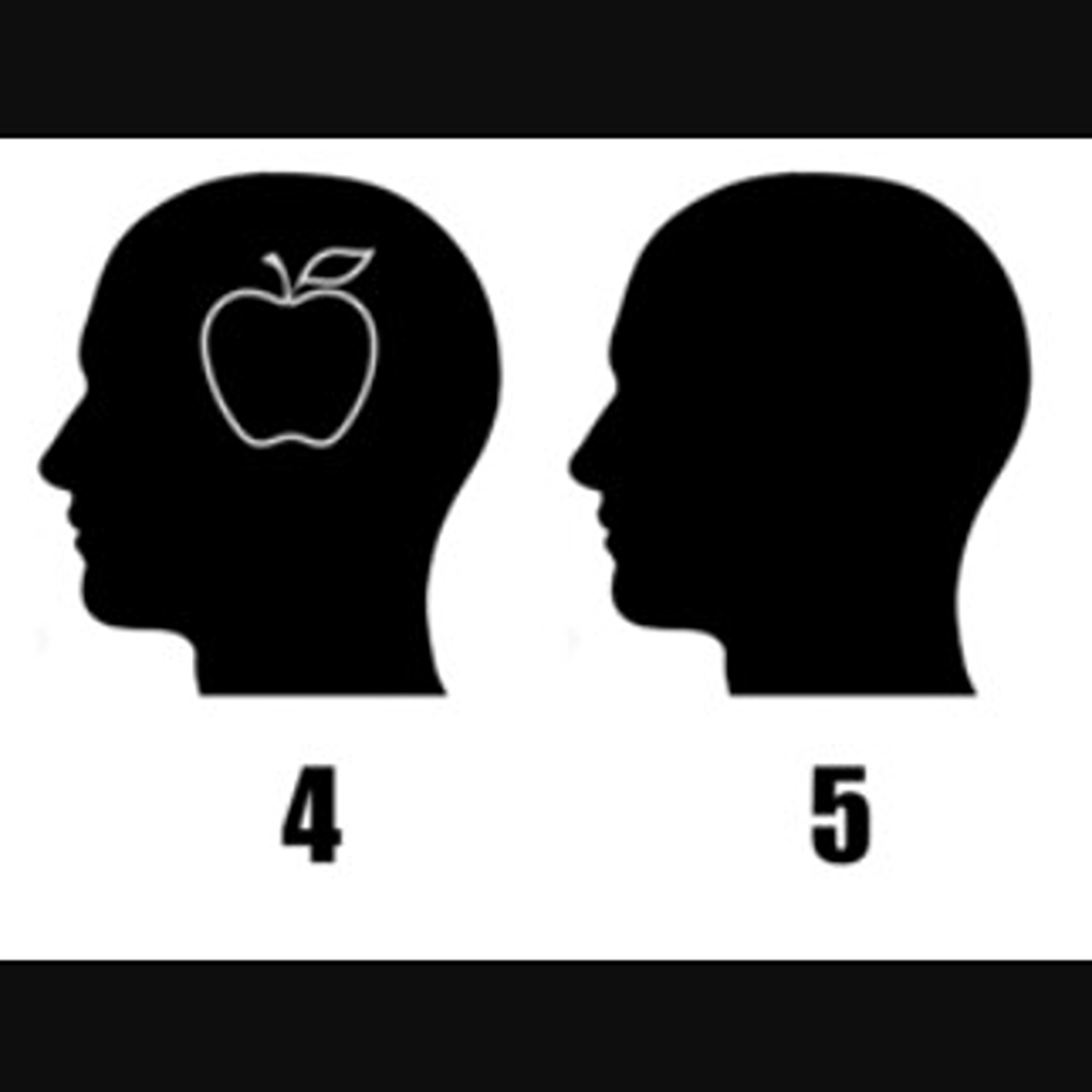
In this episode, Megan and Frank investigate aphantasia, the inability to generate mental imagery. What can aphantasia tell us about the nature of the mind, in particular, "the hard problem" of consciousness? Should aphantasia be considered a disorder, or merely another variation in human experience? And is it possible to meaningfully talk about our inner experiences, or would that necessarily constitute a kind of private language? Thinkers discussed include: Adam Zeman, Merlin Monzel, Elizabeth Barnes, Ludwig Wittgenstein, and Soren Kierkegaard.
Hosts' Websites:
Email: philosophyonthefringes@gmail.com
-----------------------
Bibliography:
Some People Can’t See Mental Images. The Consequences Are Profound | The New Yorker
Zeman et al. 2015 - Lives without imagery - Congenital aphantasia - PubMed
Krempel & Monzel 2024 - Aphantasia and involuntary imagery
Monzel et al. 2023 -Aphantasia within the framework of neurodivergence
The Private Language Argument | Issue 58 | Philosophy Now
Disability: Definitions and Models (Stanford Encyclopedia of Philosophy)
The Minority Body: A Theory of Disability | Oxford Academic
-----------------------
Cover Artwork by Logan Fritts
-------------------------
Music from #Uppbeat (free for Creators!):
https://uppbeat.io/t/simon-folwar/neon-signs
License code: QHFDPNIRFW3UXOH3