Efficient dumpster placement is essential for the success of any project, whether it’s a home renovation, construction site, or large-scale cleanout. A well-planned dumpster location ensures safety, accessibility, and compliance with local regulations while helping you save time and reduce costs.
In this detailed guide, we’ll walk you through everything you need to know about preparing your site for efficient dumpster placement so that your waste disposal process runs smoothly.
Before diving into the specifics of site preparation, let’s take a moment to understand why dumpster placement is so important:
✔️ Safety: A poorly placed dumpster can lead to accidents, obstruct walkways, or create hazards for workers and pedestrians.
✔️ Efficiency: The right location allows for easy disposal of waste, reducing labor costs and improving workflow.
✔️ Avoiding Fines & Delays: Placing a dumpster in an unauthorized location may result in fines or delays due to local regulations.
✔️ Protecting Property: Without proper preparation, heavy dumpsters can damage driveways, sidewalks, or landscaping.
By following these steps, you can ensure your dumpster is placed optimally for maximum efficiency and minimal disruption.
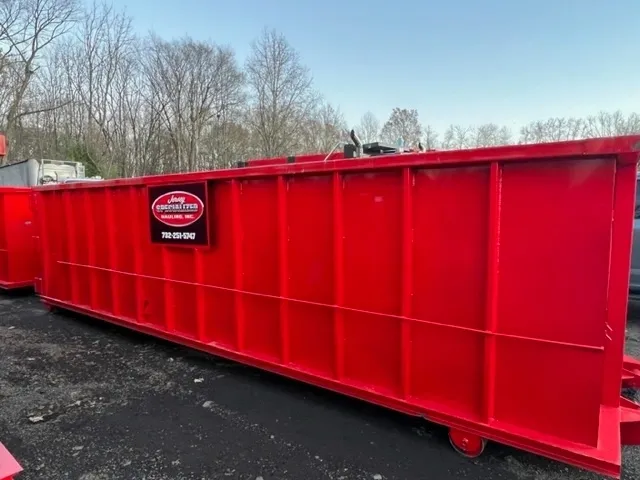
Before scheduling a dumpster delivery, thoroughly evaluate your site conditions to determine the best location for placement.
To prevent the dumpster from shifting or sinking, opt for a flat, hard surface such as:
✅ Concrete
✅ Asphalt
✅ Compact gravel
Avoid placing dumpsters on grass, dirt, or soft ground, as they may become unstable, especially in wet conditions. If your site has no solid surface, consider placing plywood sheets beneath the dumpster to help distribute weight.
Ensure there are no obstructions above the placement area, such as:
🔹 Power lines
🔹 Tree branches
🔹 Low-hanging building overhangs
Most dumpster delivery trucks require at least 22 feet of vertical clearance, so measure accordingly before finalizing your placement.
Dumpsters are delivered by roll-off trucks that need at least 60 feet of linear space for proper maneuvering. Consider the following:
✔️ Make sure driveways and access roads are clear.
✔️ Remove parked vehicles that could block access.
✔️ If using a gated area, ensure the gate is wide enough for truck entry.
Dumpster placement isn’t just about convenience—it must comply with local laws and regulations.
✔️ Check Permit Requirements:
In many cities, a permit is required if the dumpster is placed on public property, such as a street, alley, or sidewalk. Contact your local municipality to determine permit requirements.
✔️ HOA Rules & Private Property Regulations:
If you live in a community with a Homeowners Association (HOA), review their guidelines to ensure compliance with community regulations.
✔️ Street Placement Guidelines:
When placing a dumpster on the street, ensure it does not block traffic or fire hydrants. Some areas require reflective markers or safety cones around the dumpster.
Choosing the correct dumpster size is critical for cost efficiency and waste management.
| Dumpster Size | Best For | Capacity (Cubic Yards) |
| 10-Yard | Small renovations, garage cleanouts | 50-60 trash bags |
| 20-Yard | Kitchen/bath remodels, deck removals | 100-120 trash bags |
| 30-Yard | Large home cleanouts, new construction | 170-190 trash bags |
| 40-Yard | Major construction, commercial projects | 230-250 trash bags |
✔️ Overestimate rather than underestimate to avoid overflow.
✔️ Consider your waste type—construction debris may require larger containers.
✔️ Consult with a professional dumpster rental service for recommendations.
A dumpster that is too far away from the work area can waste valuable time and increase labor efforts. Place it as close as possible without obstructing walkways or high-traffic areas.
Consider the following factors to ensure accessibility:
✔️ Choose a driveway-friendly spot to avoid blocking daily movement.
✔️ If using a gated area, ensure the gate remains open or the dumpster is positioned outside.
✔️ Position the dumpster’s door toward the worksite for easy walk-in access when loading large or heavy materials.
Dumpsters are heavy, especially when full. To prevent driveway cracks or surface damage, place wooden planks or plywood underneath the dumpster. This distributes the weight and minimizes pressure points.
If placing a dumpster on grass or a soft surface, take precautions:
✅ Use a temporary driveway mat to reduce soil compression.
✅ Avoid placing the dumpster near tree roots or sprinkler systems.
✅ Consider alternative spots to prevent lasting landscape damage.

Once your dumpster is in place, loading it properly can maximize space and prevent overfilling.
✔️ Break Down Large Items: Cut wood, drywall, or bulky materials into smaller pieces.
✔️ Distribute Weight Evenly: Load heavier materials first to create a stable base.
✔️ Avoid Overfilling: Most dumpsters have a fill line—do not exceed it, as overloading can result in additional fees or removal delays.
✅ Choose a stable, hard surface for placement.
✅ Verify overhead clearance (no power lines or trees).
✅ Ensure adequate space for truck maneuvering.
✅ Check local permit requirements if placing on the street.
✅ Select the right dumpster size based on your project.
✅ Protect driveways and landscapes with plywood sheets.
✅ Plan for easy access to the dumpster for efficient loading.
Now that you know how to prepare your site for efficient dumpster placement, it’s time to schedule a rental with a trusted provider. At Jersey Specialized Hauling, we offer reliable dumpster rental services tailored to your project needs.
📞 Call us today at: (732) 251-5747
📧 Email us at: orders@jerseyspecializedhauling.com
🌐 Visit us online at: https://jerseyspecializedhauling.com/
The post How to Prepare Your Site for Efficient Dumpster Placement appeared first on NJ Dumpster Rentals | Waste & Recycling.
