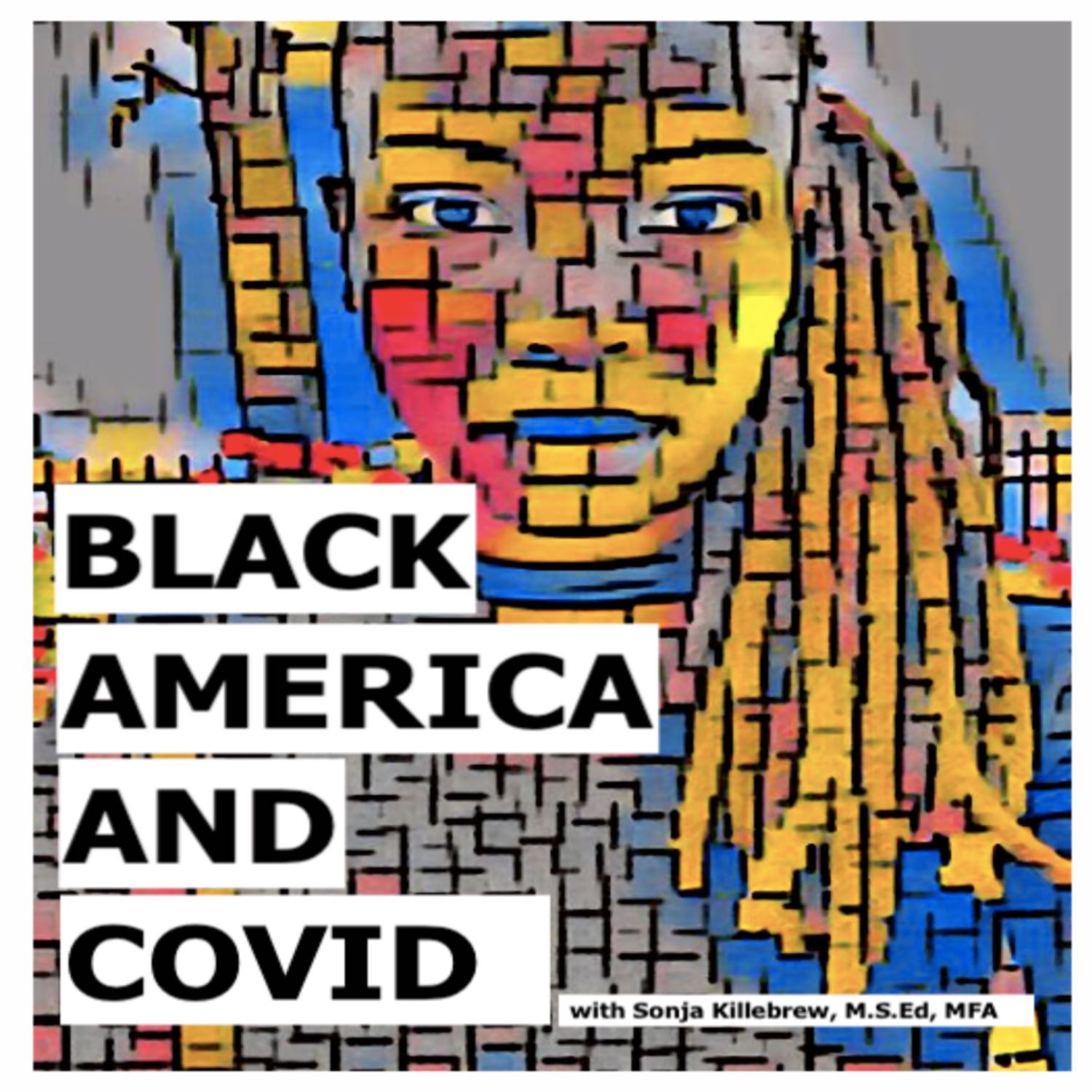
Listen to nurse Erachie Brown – born in Jamaica, Queens, New York – who is the descendant of a Foundational Black American share about her ancestry: her mother was from South Carolina and her family protected their land from the KKK; her father was from Jamaica, West Indies and he migrated to New York City where he met Erachie’s mom at the Savoy Ballroom in Harlem.
On being a Foundational Black American:
“We are called Foundational Black Americans, because we are the descendants of the African slaves who were brought here, early in the 1600s, and Africans had been here even before then. So, we are the true indigenous people. We have a culture, because we're ripped from the homeland and brought to this country and many other places in the Caribbean and across the world, and stripped of our identity, our culture…” Erachie talks about being a Foundational Black American.
Erachie and I, Sonja, met through the Zip Code Memory Project — https://zcmp.org — where we participated in community-based ways to memorialize the lives lost to Coronavirus. You can read about Erachie Brown here: https://zcmp.org/brown-erachie/
On working in a New York hospital during the Covid-19 pandemic:
“I was put into a very hazardous condition. In fact, I was forced to, basically. But, with my own resourcefulness I got my own PPE… So I was put in this isolation unit for men. Air vents. They were all on vents, because of their breathing…had to pump oxygen into them as well as take away the virus and be filtered throughout this system. So it wouldn’t go throughout the hospital air conditioning system.
But, these men was in so much torment that they would rip their face masks off, and now they got those germs flying all over, and you know, I’m an LPN or PCA, Patient Care Tech, same thing. The RNs would refuse — white women refused to go in there, and there was… an Asian man in there and there was an Hispanic man and there was an old white man and I think there was someone else, and they were in torment, and not only where they in torment they were filled with feces and urine and nobody would change it for two shifts. I worked the night shift. What, what is humanity?”
“…Well, uh, it started 2019, yeah 2020 – that's January – by time June came – by time we got into spring the trucks – the trailer – for refrigeration trailers were outside. Again working at night, and you know, I really didn't pay much attention 'cause you know it's a hard job, to tell you. It's not an easy job when you have somebody – like I said – It's very racist… Some bosses are not liking Black folks – I hate to say it, but it’s true. So they give you all these dirty, rotten grunt work, and try to make you quit. So… I know… You know, I wasn't really paying attention. But then I start seeing the makeshift emergency, emergency center outside the building – like tents and stuff, I said okay something serious is going on…” Erachie recalls working in a hospital during the Covid-19 pandemic.