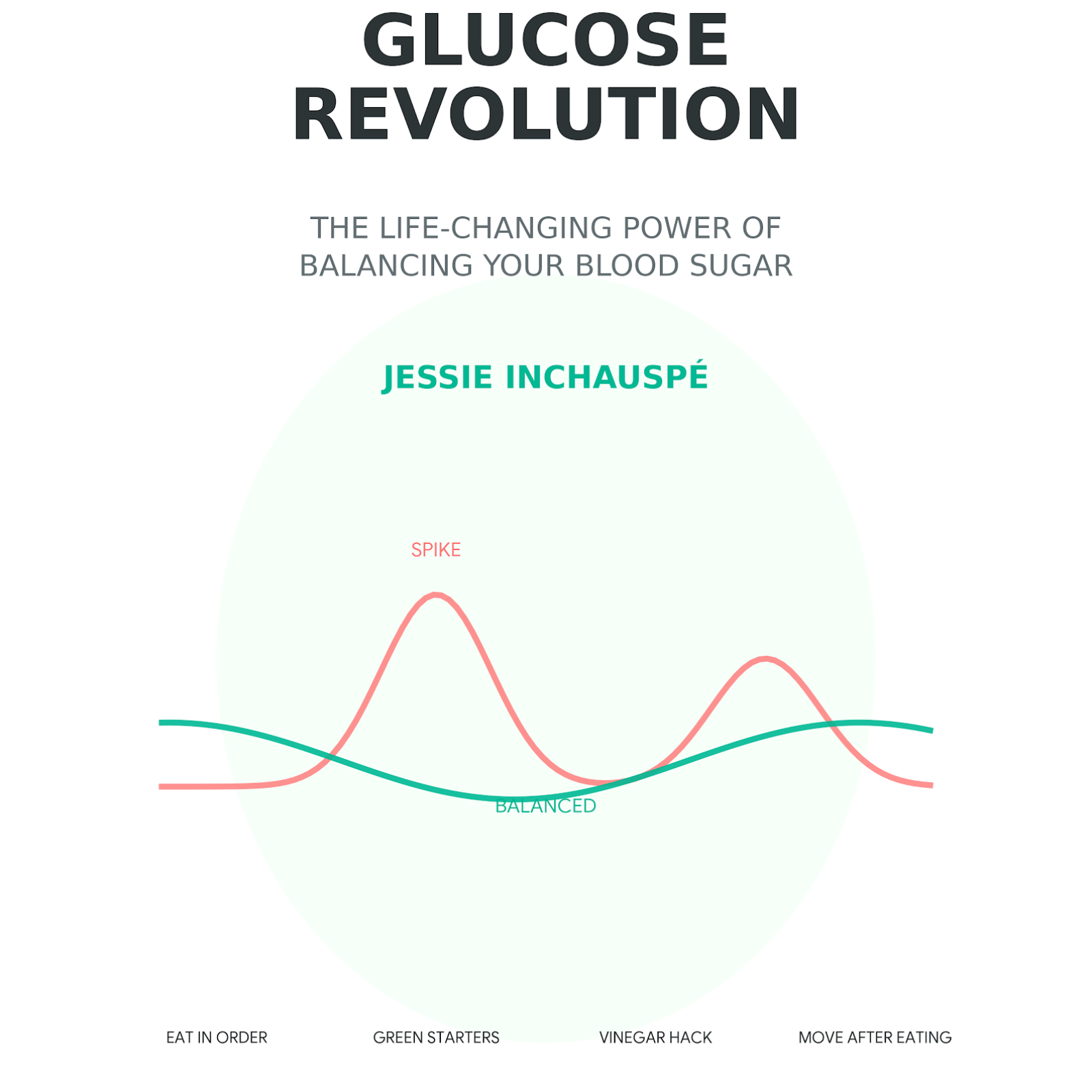
The core premise is that while glucose is our body's primary energy source, delivering it too quickly into the bloodstream causes "glucose spikes," which trigger a cascade of harmful biological reactions.
The Dangers of Glucose Spikes When glucose floods the body rapidly, it causes three main internal issues:
- Oxidative Stress: Cells become overwhelmed and produce free radicals, which can damage DNA and cause cellular dysfunction.
- Glycation and Inflammation: Glucose molecules damage other molecules in a "browning" process that accelerates aging, wrinkles, and chronic inflammation.
- Insulin Release and Fat Gain: To protect the body from excess glucose, the pancreas releases insulin to stash it away into the liver, muscles, and fat cells. Chronically high insulin levels lead to weight gain, insulin resistance, and type 2 diabetes.
These biological processes cause short-term symptoms like constant hunger, brain fog, fatigue, and intense cravings. Over the long term, they can lead to severe conditions including acne, Alzheimer's disease, heart disease, and polycystic ovarian syndrome (PCOS).
10 Practical Hacks to Flatten the Curve To avoid these spikes without restrictive diets or giving up the foods you love, the text details ten practical lifestyle "hacks":
- Eat foods in the right order: Consume vegetables (fiber) first, proteins and fats second, and starches and sugars last.
- Add a green starter: Begin your meals with a vegetable to introduce a protective mesh of fiber into your intestine, which slows down glucose absorption.
- Stop counting calories: Focus on the actual molecules you ingest—like fiber, protein, and fat—rather than just calorie counts, as all calories do not affect the body equally.
- Flatten your breakfast curve: Choose a savory breakfast to keep energy stable, rather than sweet foods like cereal or fruit smoothies that trigger an early roller coaster of cravings.
- Treat all sugar equally: Understand that agave, honey, and table sugar all break down into the same spiking molecules (glucose and fructose).
- Pick dessert over a sweet snack: Eat sweet treats directly after a meal rather than on an empty stomach to blunt the spike.
- Reach for vinegar: Drink a tablespoon of vinegar in a tall glass of water before a meal to temporarily slow the enzymes that break down starches.
- Move after you eat: Engage in 10 to 20 minutes of physical activity, such as walking, after eating so your muscles immediately burn the incoming glucose for energy.
- Snack savory: If you need to snack, opt for savory, non-starchy foods instead of sweet ones.
- Put "clothes" on your carbs: Never eat carbohydrates naked; always pair them with a fat, protein, or fiber to slow their digestion and prevent rapid hunger pangs