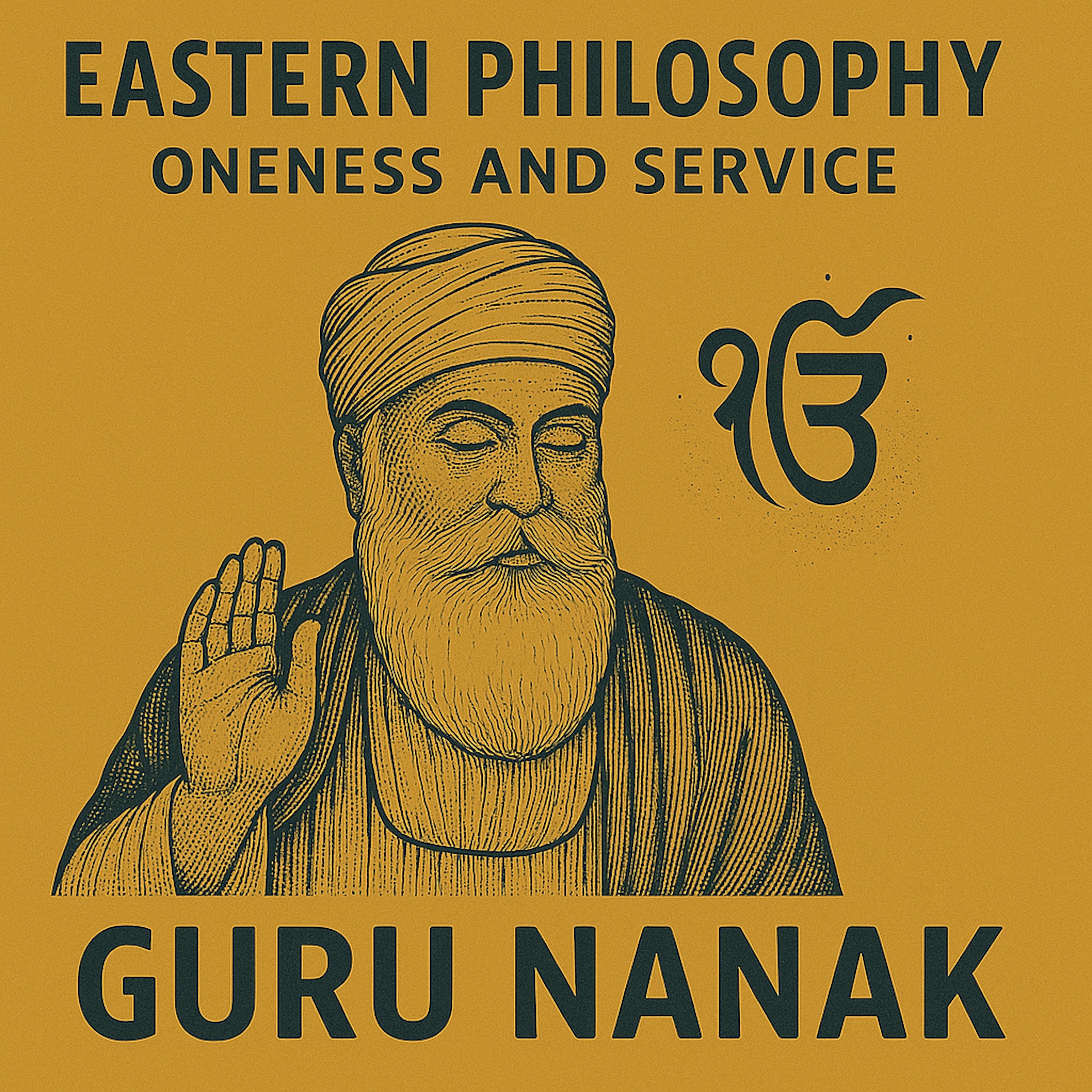
He was born in a village called Talwandi, now Nankana Sahib, near Lahore, in a world turbulent enough to make meaning a daily need. The Delhi Sultanate was fading; new powers pressed from the northwest; local chiefs fenced and bargained; merchants moved along roads that laced together Kabul, Multan, Delhi, and the ports of Gujarat; farmers worked river soils that could flood and feed in the same year. Nanak’s father, Mehta Kalyan Das, wanted a practical son—one who would tend accounts, marry, and secure the household. His mother, Mata Tripta, and his older sister, Bebe Nanaki, saw in the boy a gaze that rested more easily on people than on coin. Stories, polished by affection, say that when the local priest tried to place the sacred thread around the child’s neck, he asked whether a thread that stains, snaps, and burns can secure a soul. Better, he said, to wear an inner thread of truth and compassion. Whether the exchange was exactly as remembered, the point is clear: Nanak’s religion would not be about marks on a body; it would be about the way a life is carried.
Niklas Osterman MA