Este episodio es en español | This episode is in Spanish
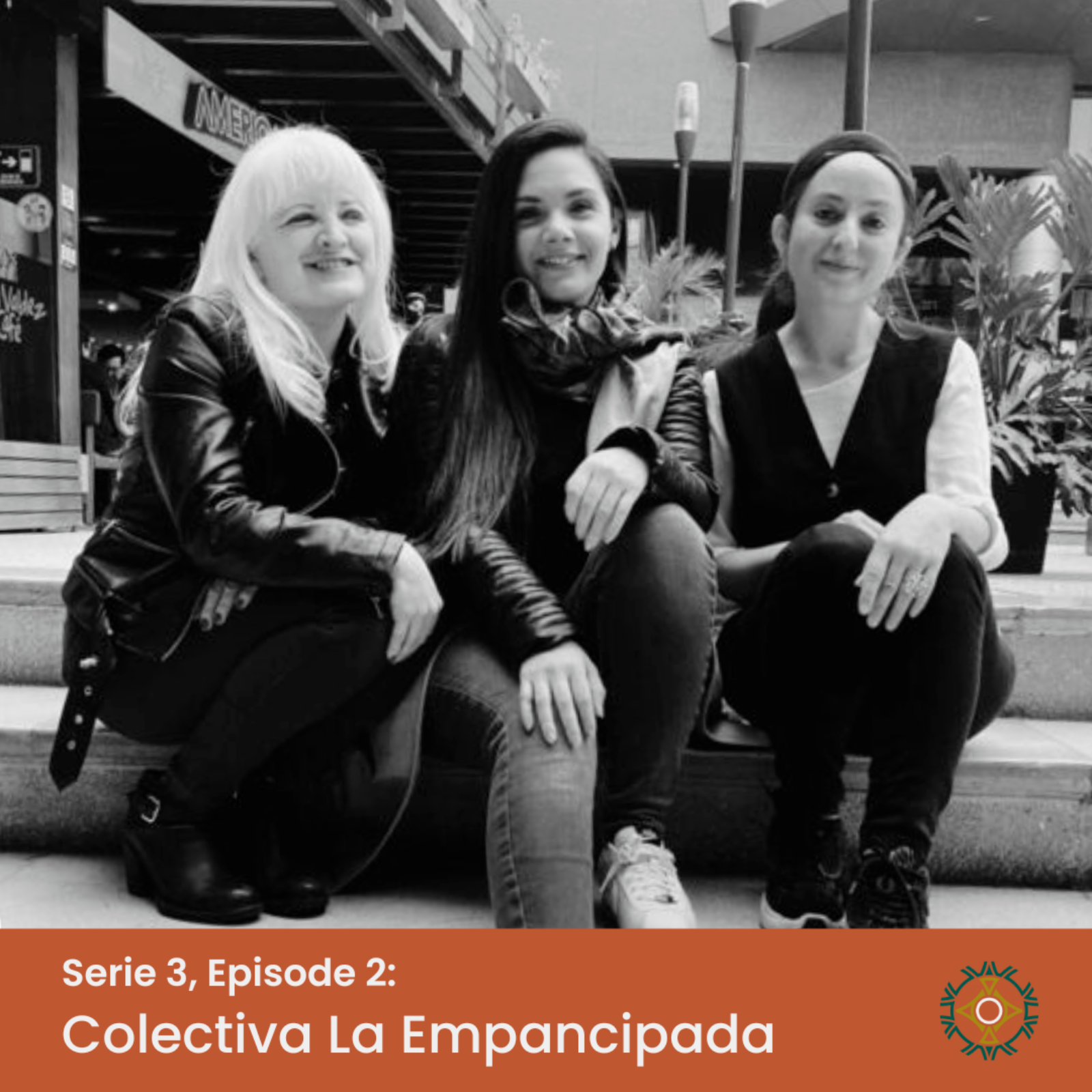
En este episodio de Gestoras, hablamos con Colectiva La Emancipada —Ibeth Lara Pazmiño, Tania Lombeida Miño y Pamela Pazmiño Vernaza—, tres artistas ecuatorianas que fundaron su colectivo artístico feminista en 2009 para desafiar la marginación de las mujeres en los espacios artísticos, la academia y el discurso oficial. Recién graduadas de la Facultad de Artes de la Universidad Central del Ecuador, reconocieron la ausencia de referentes femeninos en su formación y la dificultad de acceder a espacios expositivos sin conexiones, por lo que crearon sus propias plataformas de visibilidad y autoorganización. Su trabajo condujo a la creación de Arte Mujeres Ecuador en 2012, un encuentro híbrido que ha evolucionado de exhibir artistas ecuatorianas emergentes a convertirse en una plataforma regional que incluye artistas latinoamericanas en todas las etapas de su carrera, incorpora curadores feministas, honra a artistas póstumos y combina exposiciones con programación educativa, todo ello mientras navegan por los desafíos de conseguir recursos y construir prácticas de gestión cultural feminista sin precedentes ni referencias establecidas en su campo. https://www.artemujeresecuador.org/colectiva-la-emancipada/
In this episode of Gestoras, we speak with Colectiva La Emancipada—Ibeth Lara Pazmiño, Tania Lombeida Miño, and Pamela Pazmiño Vernaza—three Ecuadorian artists who founded their feminist art collective in 2009 to challenge the marginalization of women in art spaces, academia, and official discourse. Coming together as recent graduates from Ecuador's Central University Faculty of Arts, they recognized the absence of female references in their training and the difficulty of accessing exhibition spaces without connections, so they created their own platforms for visibility and self-organization. Their work led to the creation of Arte Mujeres Ecuador in 2012, a hybrid gathering that has evolved from showcasing emerging Ecuadorian women artists to becoming a regional platform that includes Latin American artists across career stages, incorporates feminist curators, honors posthumous artists, and combines exhibitions with educational programming—all while navigating the challenges of securing resources and building feminist cultural management practices without established precedents or references in their field.