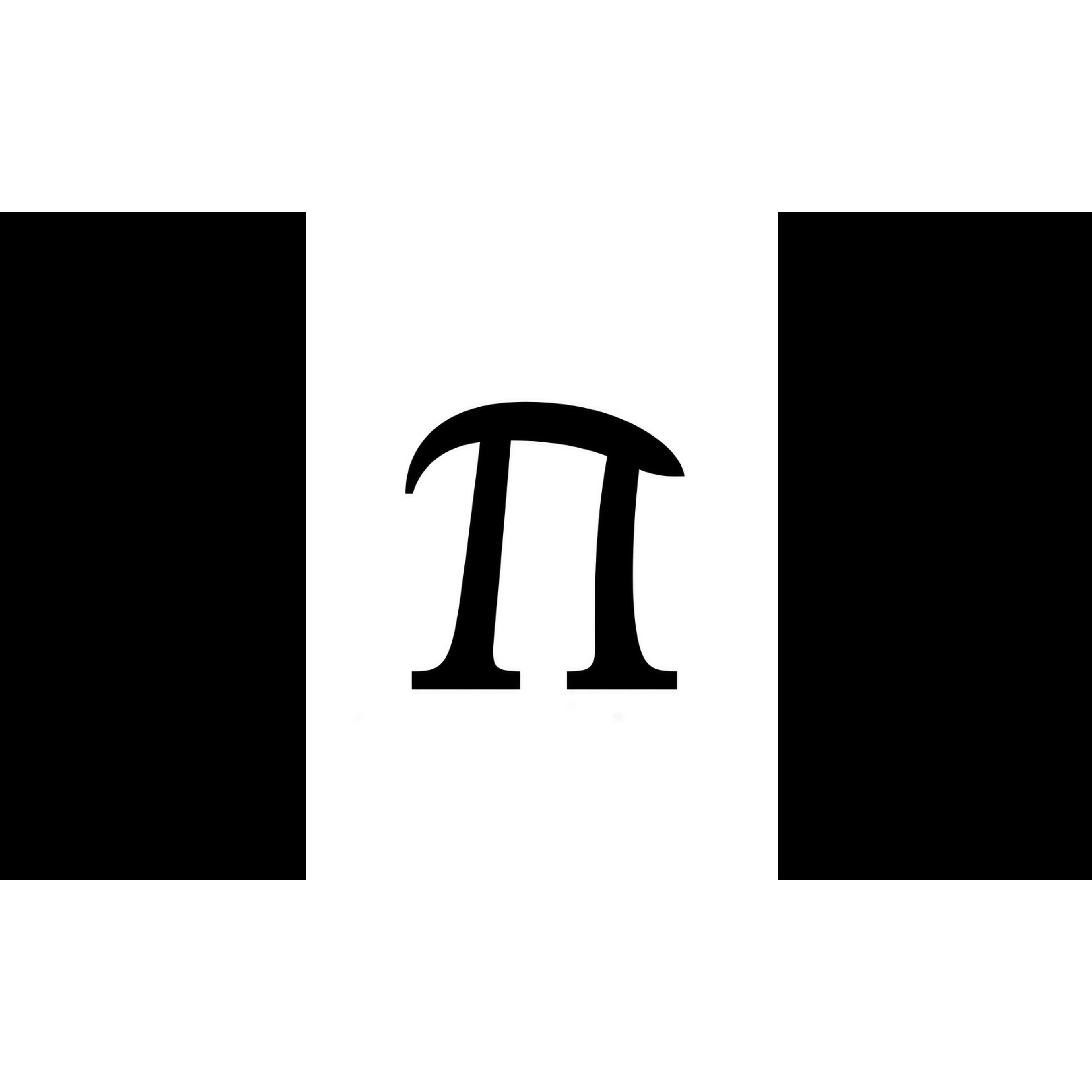
the mathematical constant pi, tracing its journey from ancient geometric approximations to its role in modern theoretical physics. It details how civilizations like the Babylonians and Egyptians first estimated the ratio before rigorous proofs by mathematicians such as Lambert and Lindemann established its irrational and transcendental nature. The source examines the evolution of computational techniques, highlighting transition from manual infinite series to high-speed iterative algorithms and digit-extraction formulas used by supercomputers today. Beyond pure calculation, the text illustrates the unexpected prevalence of pi in the natural world, including its appearance in quantum mechanics, prime number distribution, and the curvature of the universe. Ultimately, it presents the constant not merely as a circular measurement, but as a fundamental bridge between abstract logic and physical reality.