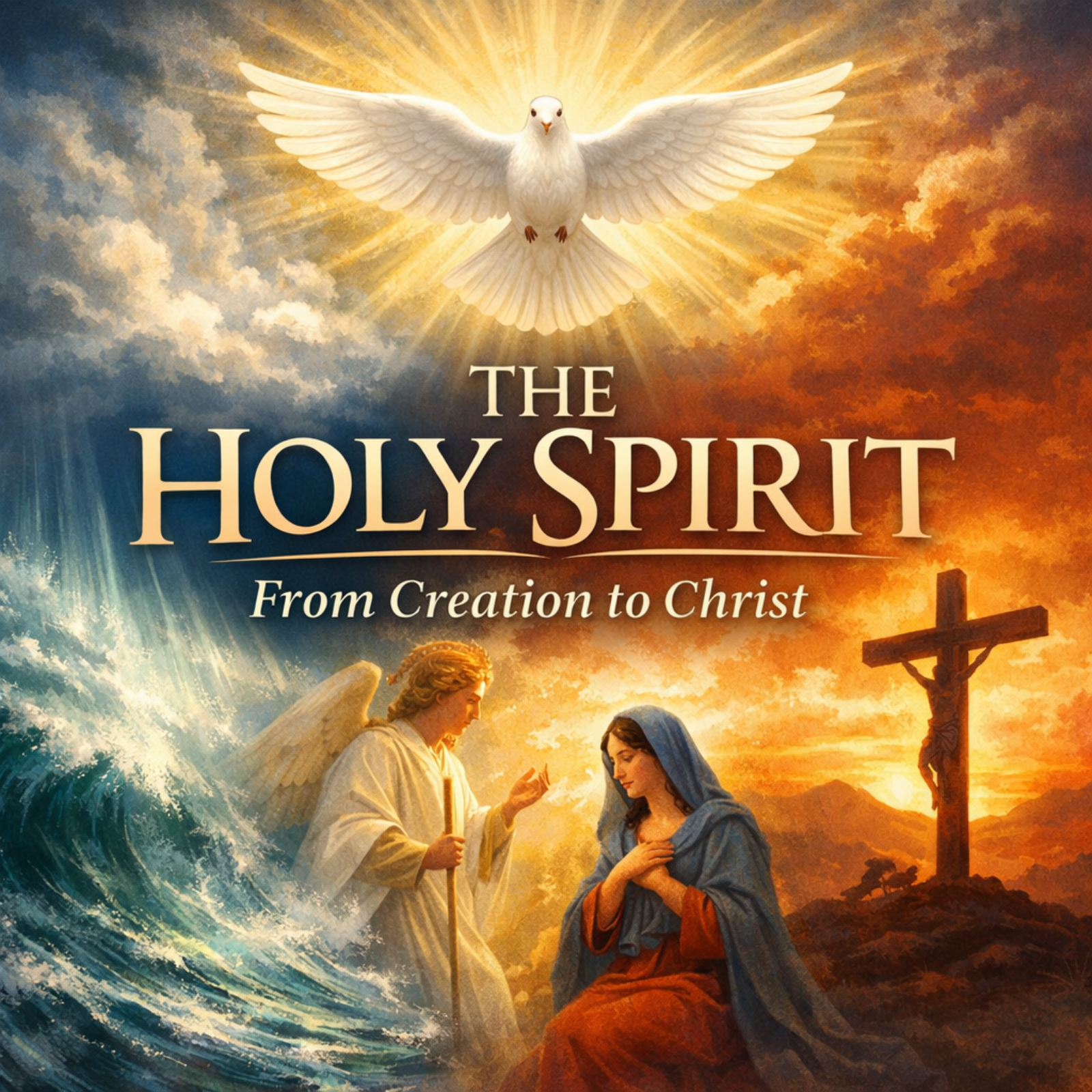
The Holy Spirit: From Creation to Christ
Big Idea: Luke opens his Gospel by showing that the coming of Jesus is the work of the Holy Spirit—continuing God’s creative, revealing, and redeeming work begun in Genesis.
1. The Spirit at the Beginning (Genesis → Luke)
- Genesis 1:2 – “The Spirit of God was hovering over the face of the waters.” Creation begins with God’s presence before God’s speech.
- Luke intentionally echoes creation language to show that the birth of Jesus is new creation, not merely a miracle.
2. The Spirit Creates Life (Luke 1:35)
- “The Holy Spirit will come upon you… overshadow you.”
- Language recalls:
- Creation (Gen 1:2)
- God’s glory filling the tabernacle (Exod 40:35)
- Jesus is called holy not by human achievement but divine action.
- Pattern established: God acts first; humanity receives in faith.
3. The Spirit Reveals and Produces Joy (Luke 1:41–42)
- Elizabeth is filled with the Holy Spirit before she speaks.
- The Spirit enables:
- Recognition of Jesus’ identity
- Understanding beyond sight
- Overflowing joy
- John leaps in the womb—joy responds to God’s presence, not explanation.
- The Spirit opens eyes to see God’s work already underway.
4. The Spirit Restores Prophetic Speech (Luke 1:67)
- Zechariah, once silent because of unbelief, is now filled and speaks.
- His prophecy:
- Magnifies God, not self
- Anchors salvation in God’s covenant promises
- The Spirit restores voice and re-centers the story on God’s faithfulness.
- Prophecy is not new truth, but old promises made alive.
5. A Consistent Pattern
Across Luke 1:
- The Spirit comes
- People respond
- God’s purposes advance
Creation → Recognition → Restoration
6. Looking Ahead to Jesus
- The same Spirit will:
- Descend on Jesus at baptism (Luke 3)
- Empower His ministry (Luke 4:18)
- Be promised to His followers
- Jesus later teaches: “It is the Spirit who gives life.” (John 6:63)