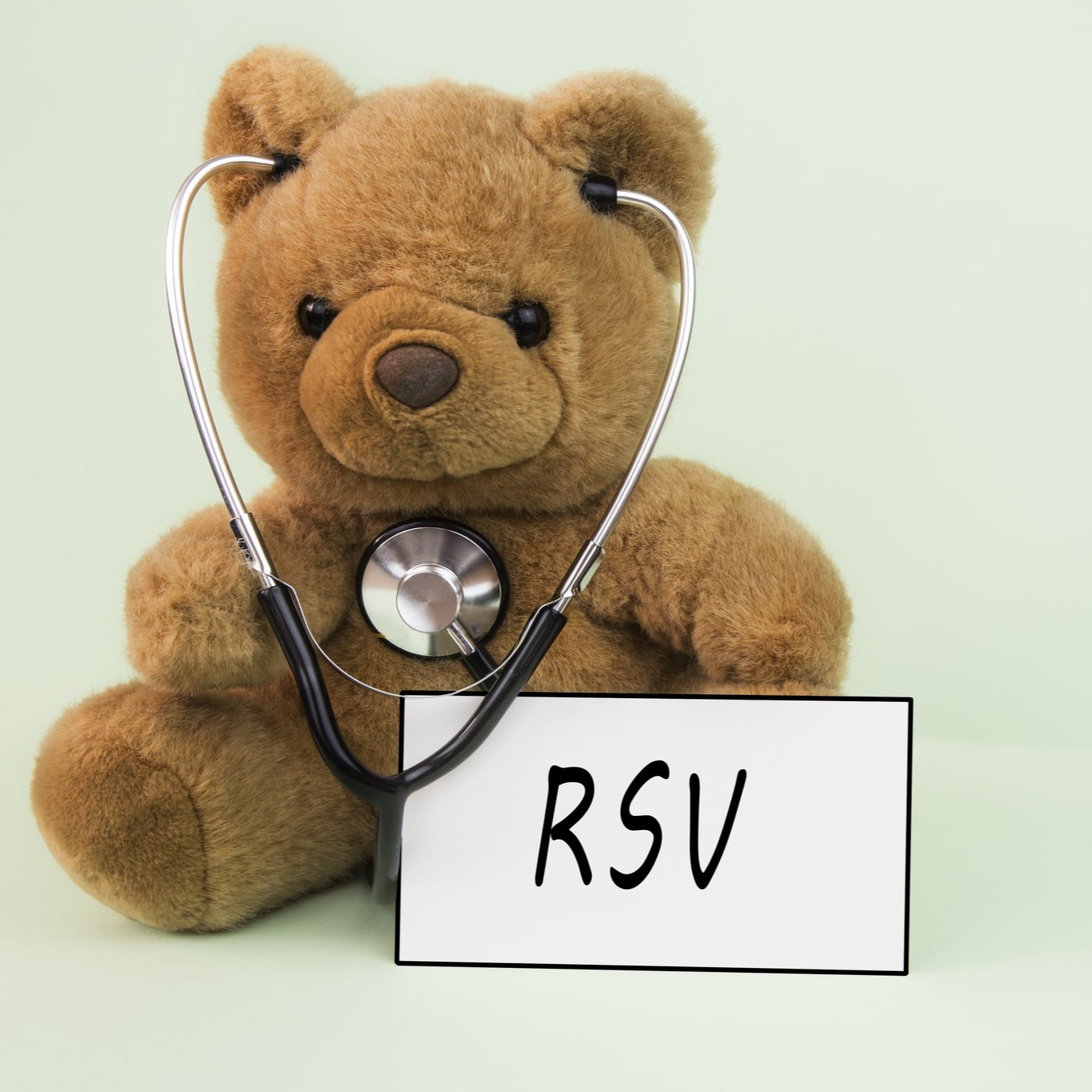
What is RSV (Respiratory Syncytial Virus) — and when can it become serious?
RSV is a highly contagious respiratory virus that affects the lungs and airways. While many cases resemble a common cold, RSV can cause bronchiolitis or pneumonia in infants, older adults, and vulnerable individuals. In this episode, we explain symptoms, risk factors, and when medical assessment is needed in Europe.
You’ll learn:
• How RSV spreads through respiratory droplets and surface contact
• Typical symptoms: runny nose, cough, fever, wheezing, and fatigue
• Why infants, older adults, and people with heart or lung disease are at higher risk
• The difference between RSV, influenza, and COVID-19
• When oxygen levels, breathing rate, or hydration status require urgent evaluation
• How RSV is diagnosed and when testing may be considered
• Current prevention strategies, including hygiene measures and vaccination options for eligible groups
We also clarify why antibiotics are not routinely used unless there is evidence of secondary bacterial infection.
This episode complements our full clinical guide:
RSV Respiratory Syncytial Virus
https://www.mobidoctor.eu/blog/rsv-respiratory-syncytial-virus
Mobi Doctor provides online medical consultations across Europe. Assessment and treatment recommendations are based on individual evaluation and established clinical criteria. Severe symptoms require immediate in-person care.