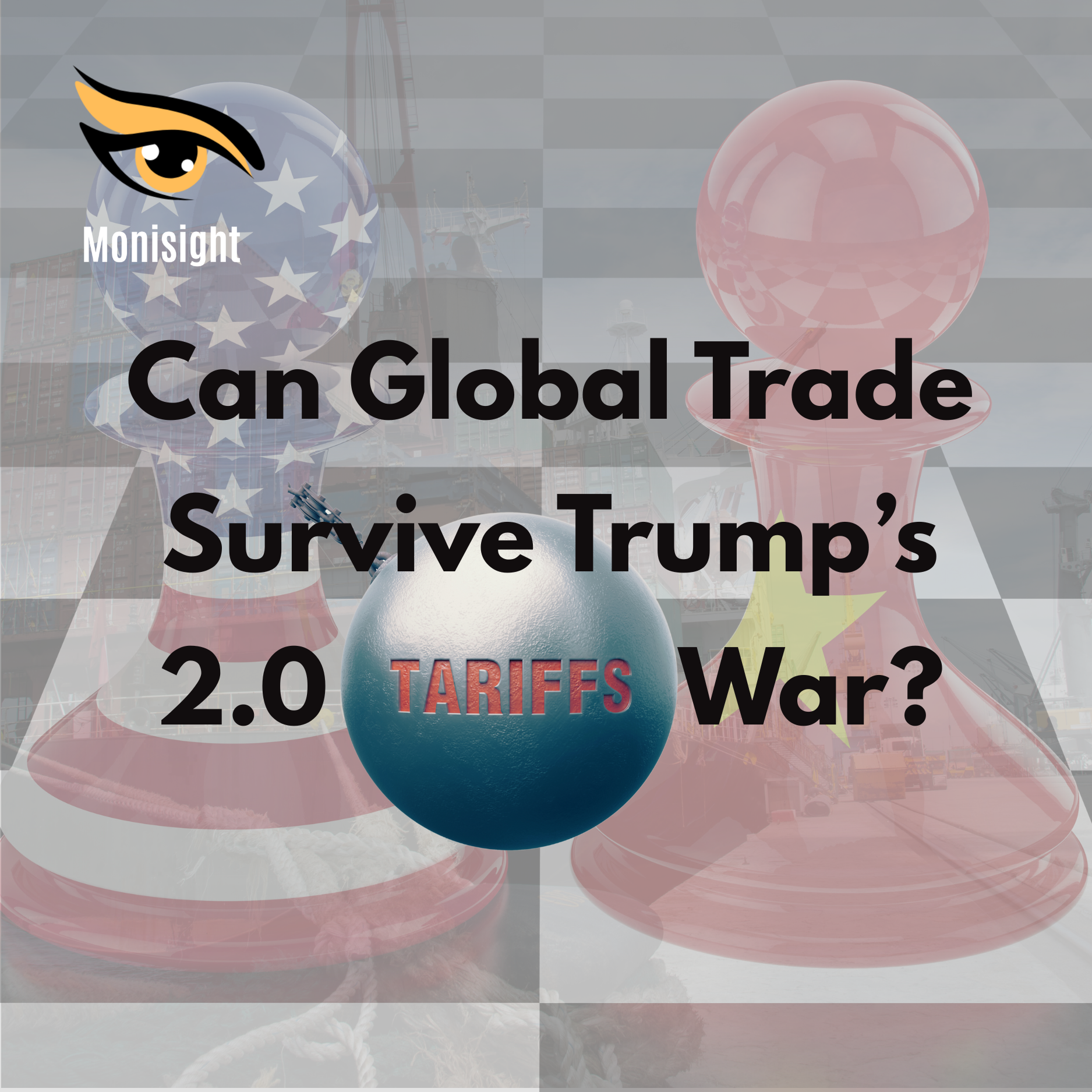
In early 2025, President Trump reignited trade tensions by imposing nearly 40% tariffs on Chinese imports, aiming to curb the trade deficit and address concerns over fentanyl trafficking. China responded with retaliatory tariffs of up to 125% on U.S. goods, including agricultural products and crude oil .
These actions led to significant market volatility, with investors seeking safer assets amid fears of inflation and recession . The U.S. administration also announced plans to stockpile critical minerals to reduce dependence on Chinese imports .
So, what did China do when Trump hit the trade button again in 2025? Well, they didn’t just sit back. In true tit-for-tat style, China hit back hard.
On Friday, China’s Customs Tariff Commission said it’s raising tariffs on U.S. goods from 84% to 125%, starting April 12, 2025. Why? Because just a day before, the U.S. had hiked tariffs on Chinese goods again—pushing total duties up to 145% when you include earlier fentanyl-related ones.
China called it outright bullying—saying these U.S. tariffs break global trade rules and make no economic sense.
And here's the kicker: China said U.S. goods are now basically priced out of their market, and they won’t even respond to any more U.S. tariff hikes after this.
China’s tougher now — more assertive, more strategic. On the surface, they want to protect exports and their industrial base. But is that all?
Some say this trade war could actually push China to innovate more at home. Their “dual circulation” strategy — focusing on local markets and tech development — might just get a boost.
Could this be the wake-up call they’ve been waiting for?
Or… is there a deeper game here? Could China use this moment to quietly expand its influence — especially in emerging markets like Africa, Latin America and Middle East?