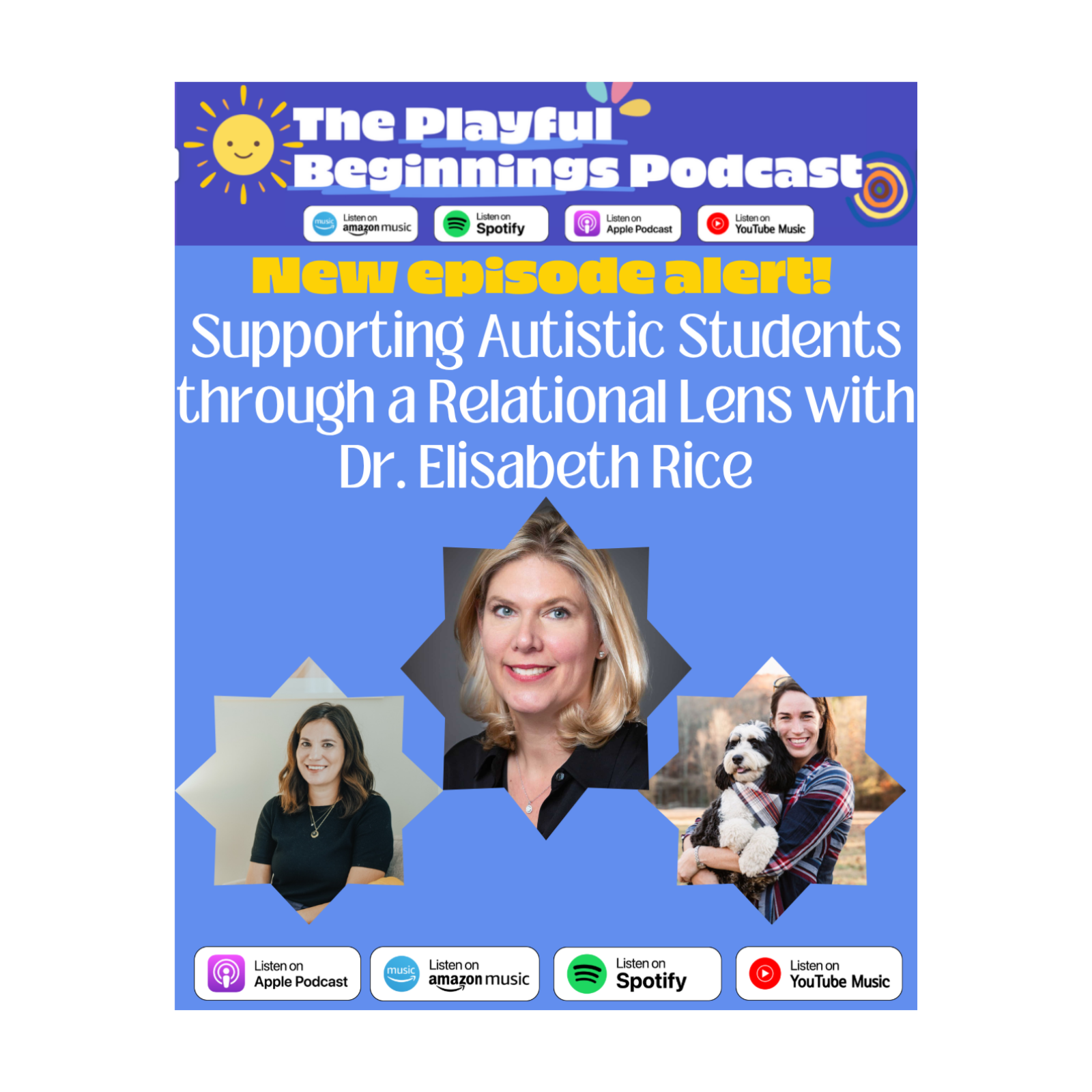
Episode Summary
In this episode, Dr. Lisa Rice joins the show to challenge traditional behavioral approaches to special education. As an accomplished researcher in inclusive education and the co-host of the On Her Side podcast, Dr. Rice discusses the critical importance of a "relational plate" when working with autistic children in school systems. The conversation delves into the "conflict cycle" between adults and children, the often-overlooked emotional needs of teachers, and how we can design school environments that accommodate neurodivergent needs rather than demanding compliance.
Key Discussion Points
- The "Relational Plate" Philosophy
- Moving beyond ABA as the "only answer" for behavior.
- Prioritizing connection and relationship as the foundation for all other interventions.
- The importance of self-reflection: Asking, "Is this about my need for control or the student's need for support?".
Navigating Power Struggles in the Classroom
- Understanding the Conflict Cycle: How adult responses dictate whether a situation escalates or de-escalates.
- The pitfalls of forced apologies and why modeling repair is more effective than demanding it.
- Rethinking "compliance" and "respect" in the context of neurodiversity.
Supporting the Supporters: Teacher Wellness
- The high rates of teacher burnout and assault in the modern classroom.
- Why teachers need safe spaces—away from administration—to process emotional challenges.
- The success of trial programs that provide direct emotional support to educators.
The Social Model of Disability
- Shifting the focus from "fixing" the child to fixing the environment.
- Practical changes: Addressing sensory triggers like fluorescent lights, loud bells, and fire drills.
- The importance of involving autistic individuals in the development of research and educational practices.