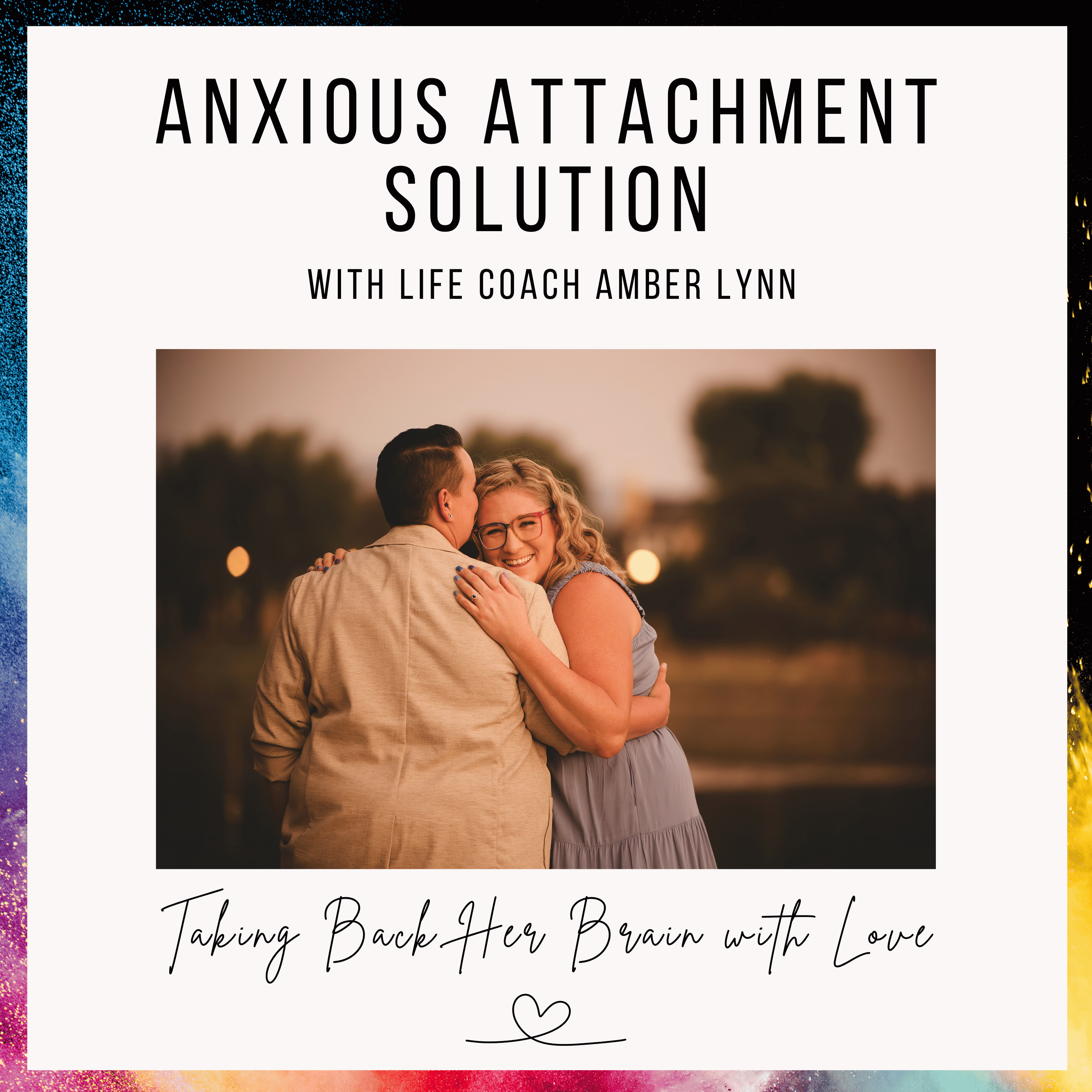
Why does rejection hurt so deeply—and why does it seem to linger longer for those of us with anxious attachment?
In today’s episode of The Anxious Attachment Solution, I’m diving into why rejection feels so devastating, how our brain and nervous system respond to it, and what actually keeps us stuck in pain long after the rejection happens.
This year, rejection became deeply personal for me when my sister did not attend my wedding because I am gay. While whether someone agrees with her beliefs isn’t the point of this episode, the experience opened my eyes to a type of rejection we rarely talk about: family and friendship rejection. The kind of rejection layered with history, shared memories, love, and grief.
We often focus on rejection in romantic relationships and breakups, but we don’t talk enough about the grief that comes with being rejected by people who were once our safe place. Underneath the anger, confusion, and rumination is often unprocessed grief—and our brain works overtime to avoid feeling it.
In this episode, we explore:
I also walk you through how to begin creating safety within yourself instead of outsourcing it to other people. You’ll learn how to calm your nervous system, supervise unhelpful thoughts, and process rejection without making it mean something is wrong with you.
Rejection hurts. Grief hurts. Heartbreak hurts. But we don’t have to abandon ourselves or attack our worth in the middle of it.
This episode is an invitation to stop resisting your feelings, build emotional resilience, and learn how to hold yourself with compassion through loss—so you can heal without losing yourself in the process.
You don’t have to do this alone. And you are not broken for hurting.
📩 Work With Me
You don’t have to do this work alone! ✨ Schedule a FREE 1-hour consultation → amberlynn@takingbackherbrain.com ✨ Join my 12-week coaching program to stop your anxious attachment cycle, build confidence, and finally feel secure in your relationships and life.
Links and Resources:
Let’s Connect:
Email me at Amberlynn@takingbackherbrain.com for a free one hour consultation