An episode with osteopath Bridie McNulty on treating period pain.
Recent German studies showed that osteopathic treatment can be beneficial for women suffering from primary dysmenorrhoea.
The studies involved 60 women aged between 14 and 33. Only those who were diagnosed with primary dysmenorrhoea by their GP participated in the study.
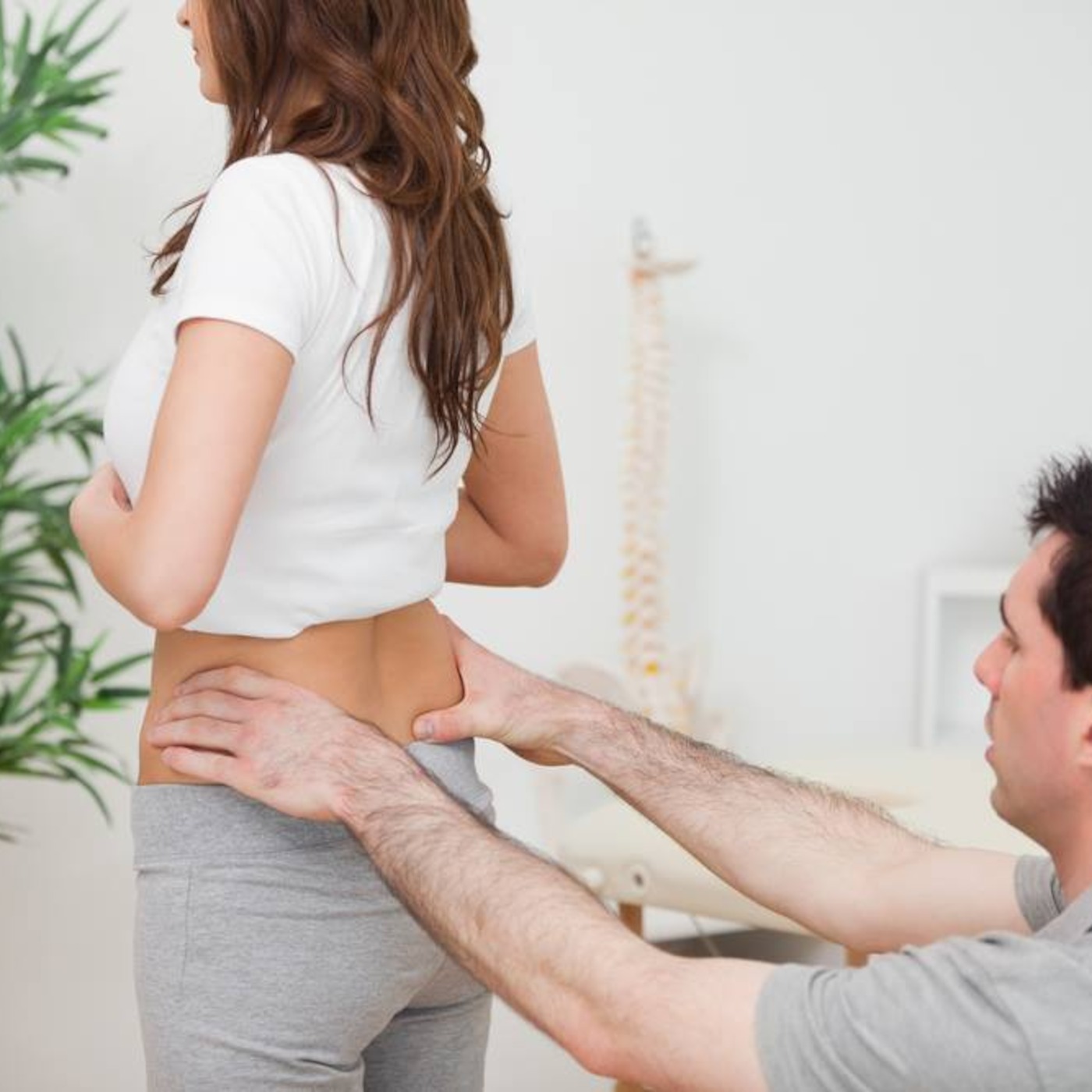
An osteopath will make sure that there are no restrictions in the movement within the joints of the spine and pelvis, which can lead to period pain, release any tension from the muscles of the spine, pelvic floor and pelvis, which in turn will improve the blood and nerve supply to the organs. They can also treat any muscular restriction of the uterine walls so as to help reduce cramping.
Osteopaths can also help to prepare exercise and stretching programs, and provide advice on posture and stress management for improved general health and wellbeing.
More - http://bit.ly/1DvHTJe
About Bridie
Bridie has a Bachelor of Science (Clinical Science) and a Masters in Health Science (Osteopathy). Bridie is passionate about osteopathy’s holistic approach to health care and she enjoys treating patients of all ages. She has developed a particular interest in women’s health and paediatrics, completing her masters in the osteopathic treatment of period pain. She has undertaken further studies in paediatrics and obstetrics and finds the treatment of mothers and babies one of the most rewarding aspects of osteopathy, as treatment is gentle, yet very effective.
Bridie utilizes a wide variety of osteopathic techniques, including dry needling when appropriate. As a previous headache sufferer, Bridie has experienced first hand the benefits of osteopathic treatment and takes a particular interest in the treatment of headaches and jaw dysfunction. Bridie is interested in a wide variety of sports and activities including pilates, running and yoga. Her commitment is to ensure that patients of all ages can achieve an active and healthy lifestyle.