Listen

Description

There are two sides of developments in fertility.

  1. How bad is it? What is causing the massive, catastrophic declines in fertility?
  2. What can we do to stabilize and reverse these trends to a sustainable level?

Today I’m going to focus on news about what is happening and why, and next time I’ll ask what we’ve learned since last check-in about we could perhaps do about it.

One could consider all this a supplement to my sequence on The Revolution of Rising Expectations, and The Revolution of Rising Requirements. That's the central dynamic.

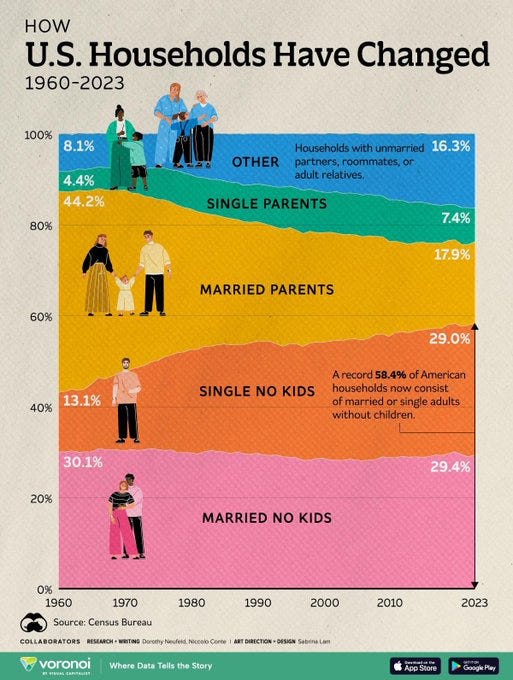
Household Composition

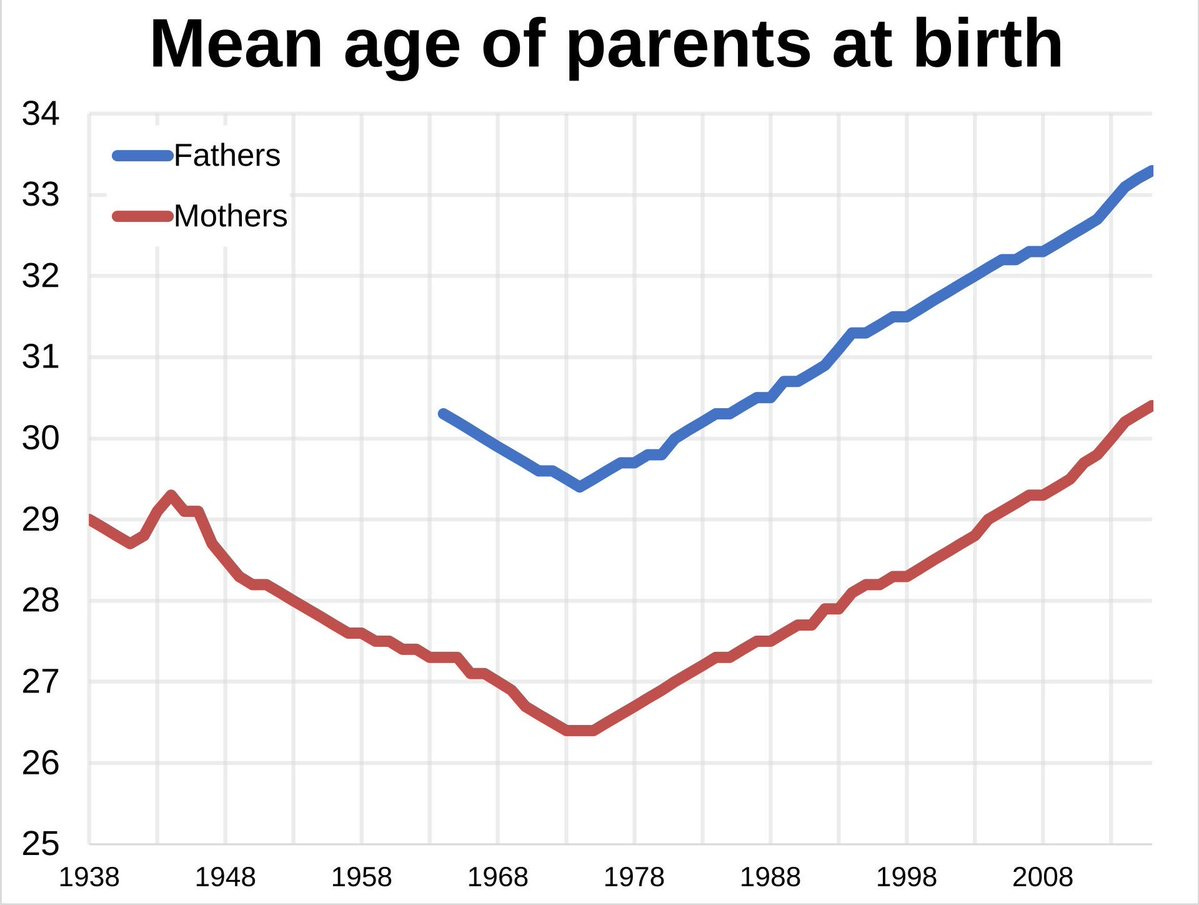
What is happening? A chart worth looking at every so often.

Timing

Michael Arouet: No way. WTF happened in 1971?

This is United States data:

The replies include a bunch of other graphs that also go in bad directions starting in 1971-73.

Developmental Idealism

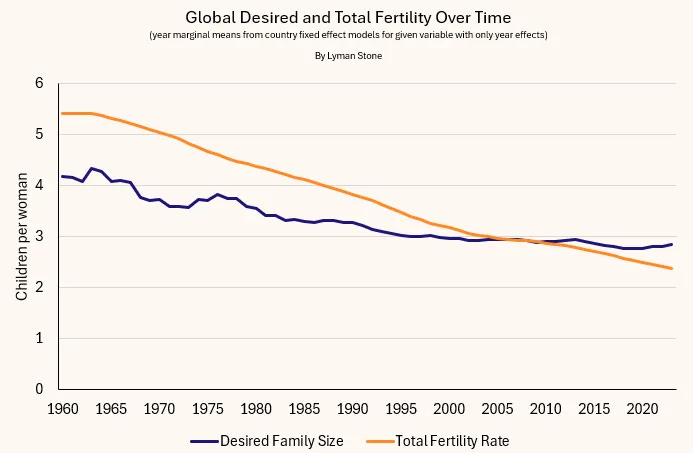
Lyman Stone, in his first Substack post, lays the blame for fertility drops in non-Western countries primarily on drops in desire for children, via individuals choosing Developmental Idealism.

Lyman Stone: Five Basic Arguments for Understanding Fertility:

  1. Data has to be read “vertically” (longitudinally), not [...]

---

Outline:

(00:46) Household Composition

(01:06) Timing

(01:37) Developmental Idealism

(04:47) Pessimism

(05:51) Baby Boom

(06:53) Paperwork

(08:24) Car Seats As Contraception

(11:14) You Can't Afford It

(12:23) Yes The Problem Is Often Money

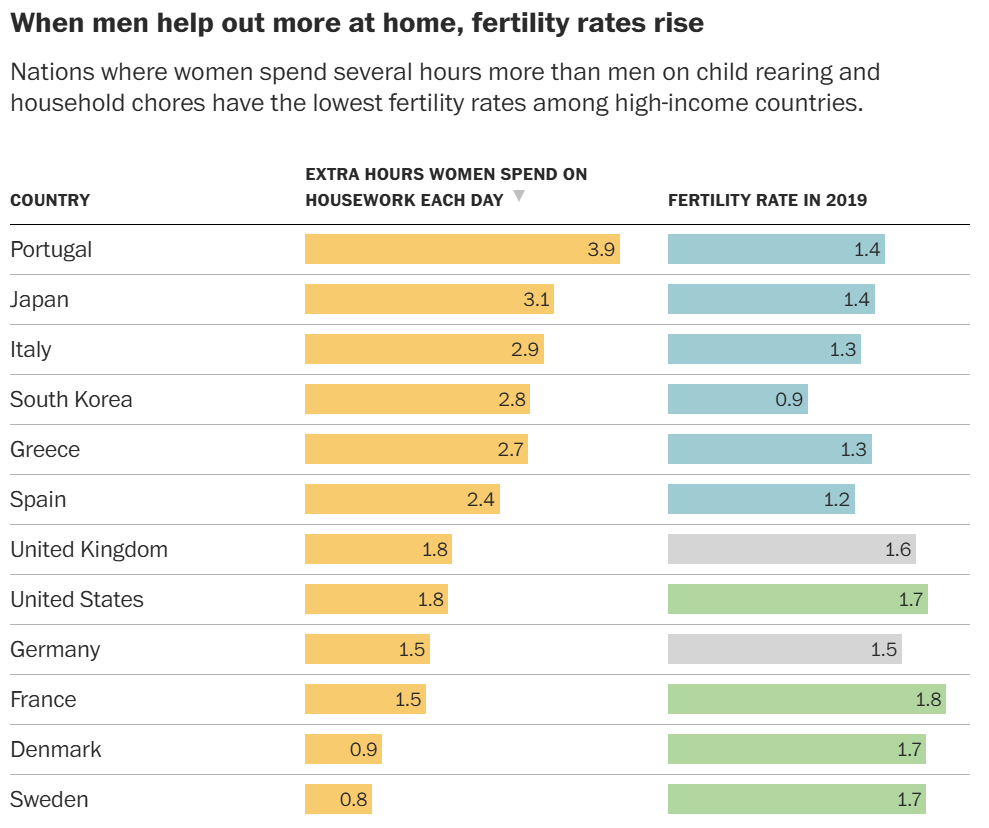
(12:57) Housework

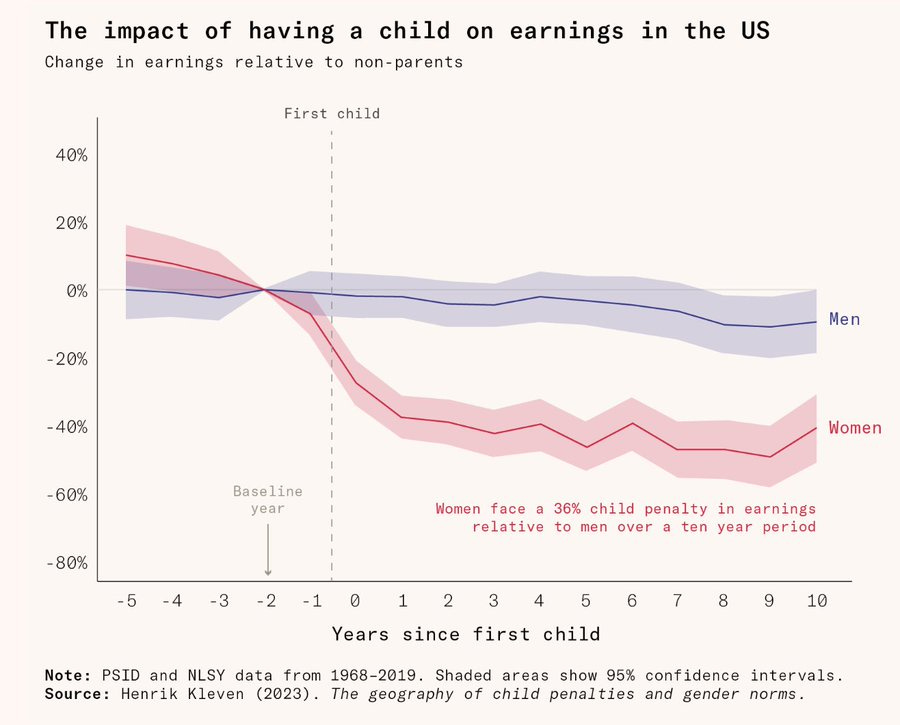
(15:13) Greedy Careers

(18:24) The Appeal of Child-Free

(19:30) Motivation

(22:06) Grandparents

(25:26) Expectations of Impossibility

(28:04) Isolation

(30:00) Decoupling

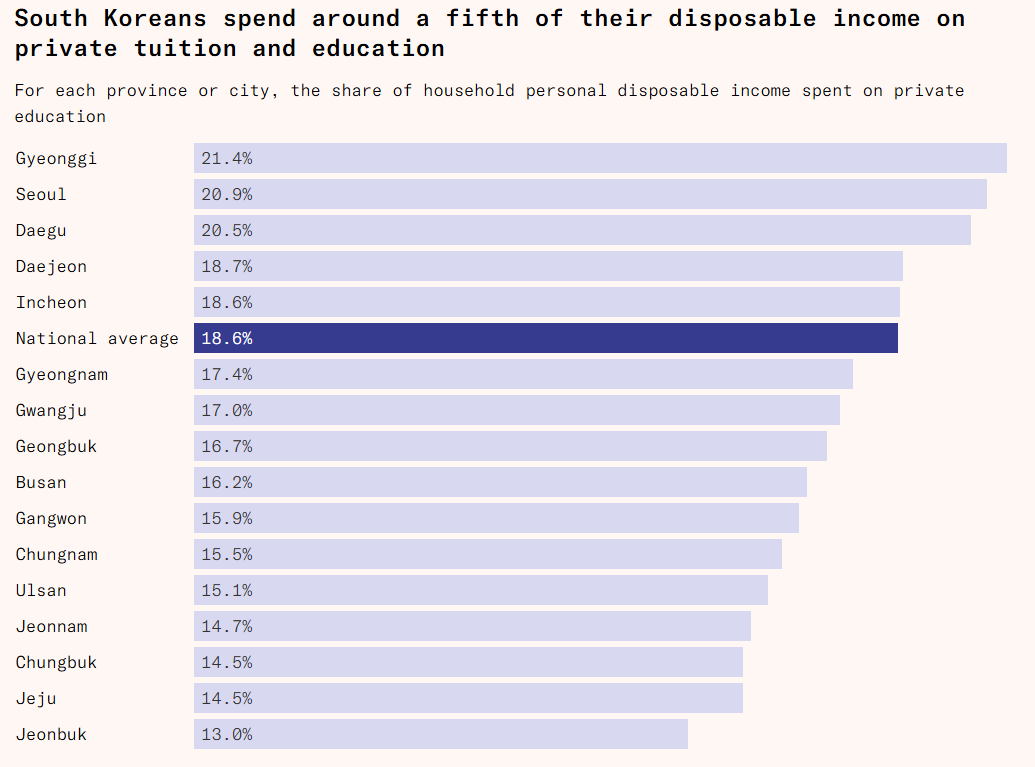
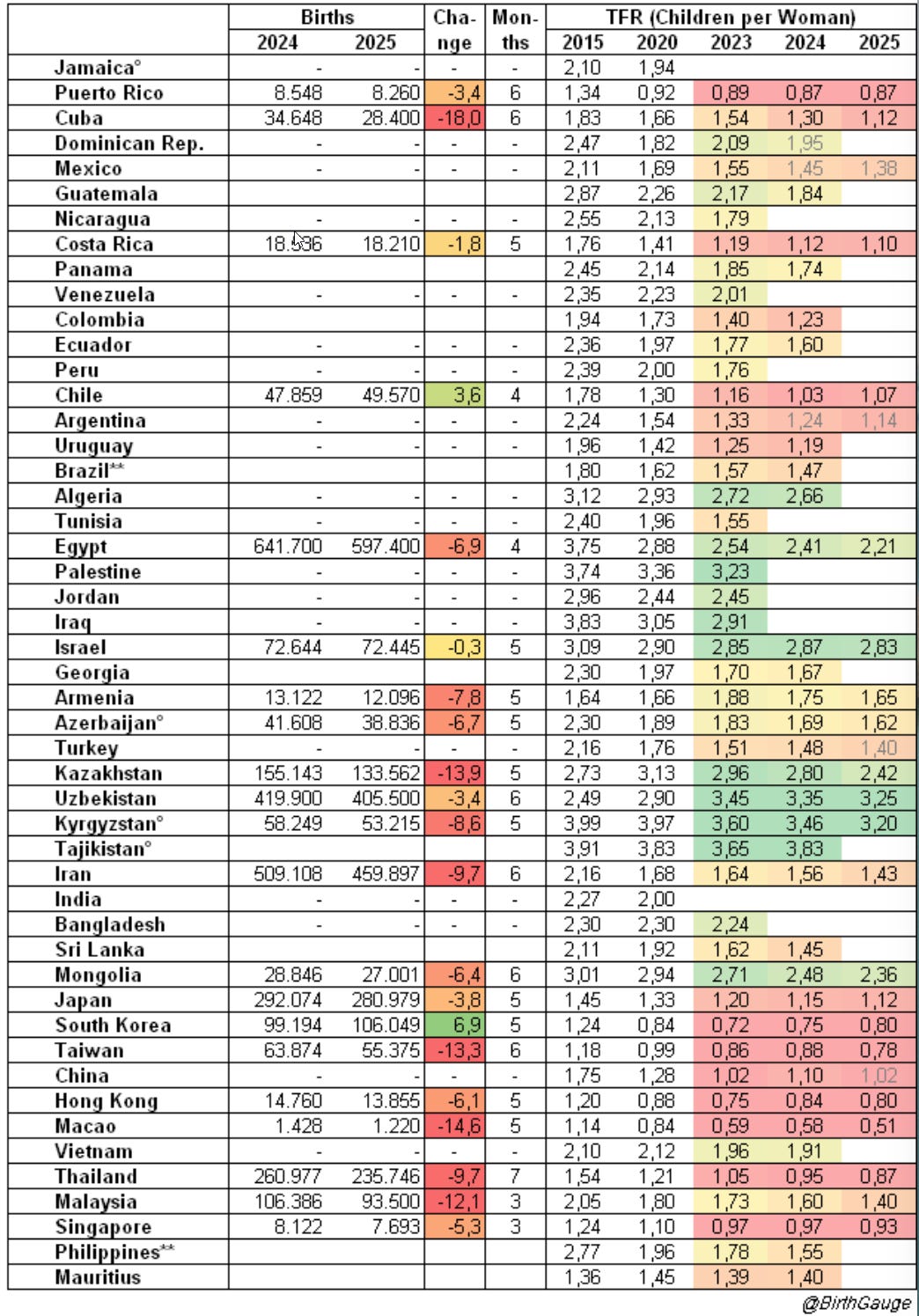
(31:45) South Korea

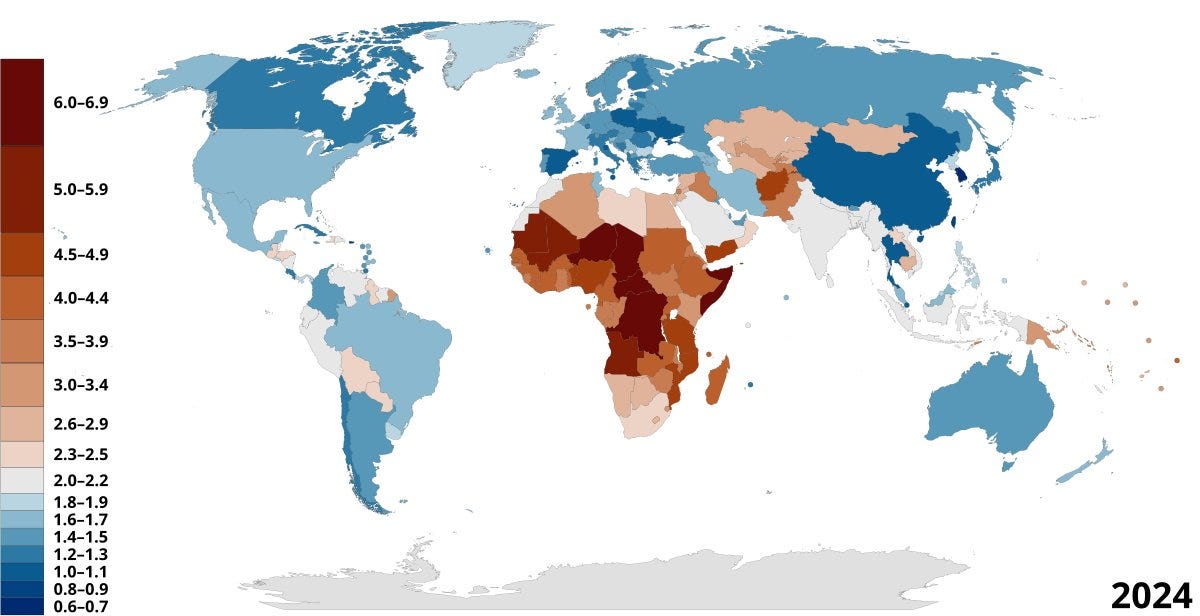
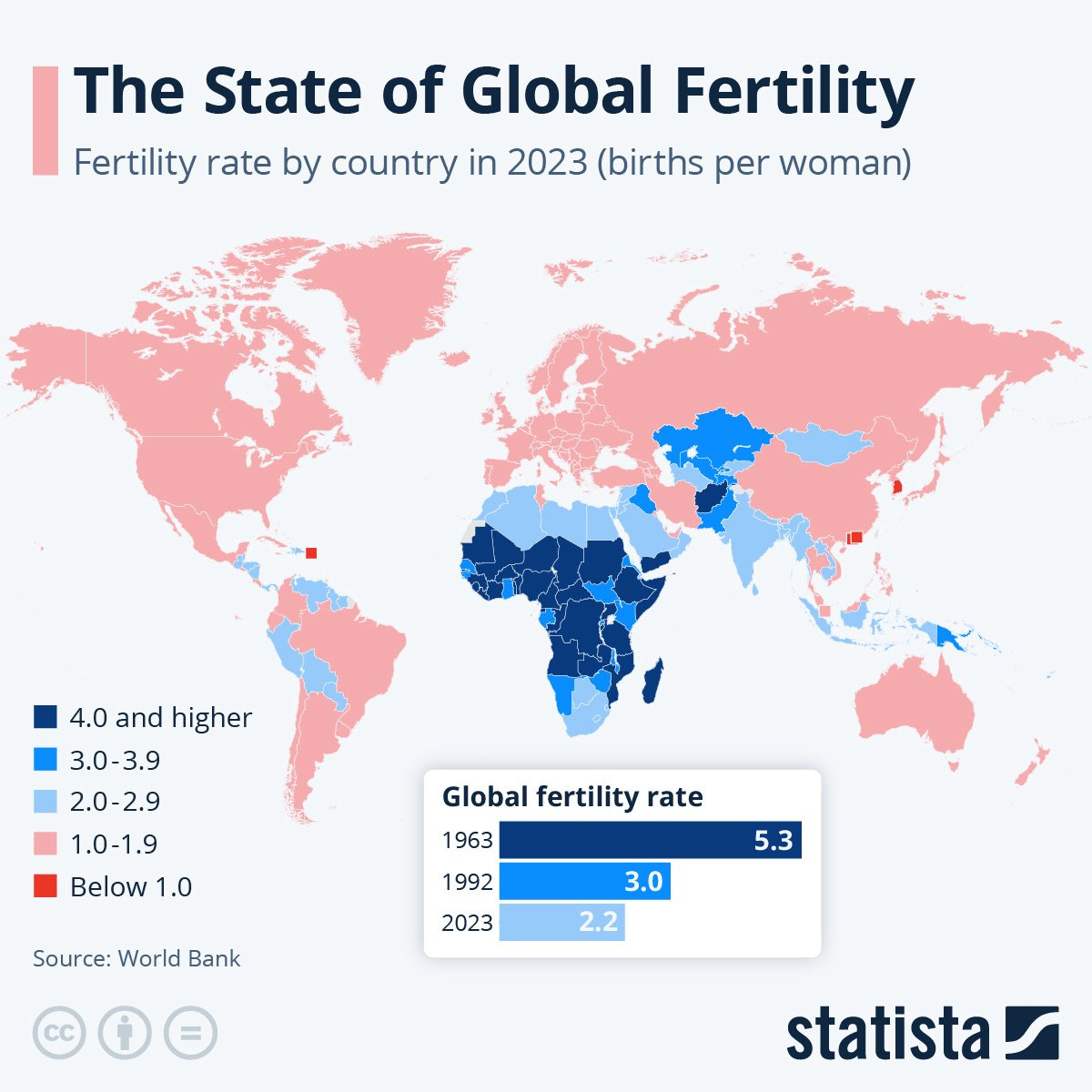
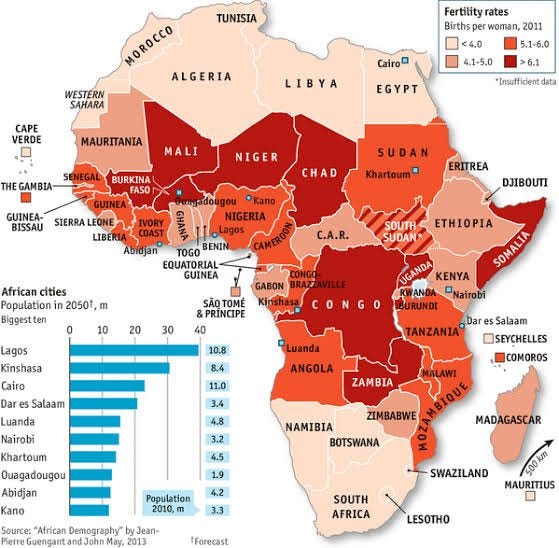
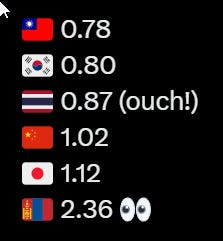
(39:20) World

(39:54) Various Places in Trouble

(40:51) China

(44:25) Russia

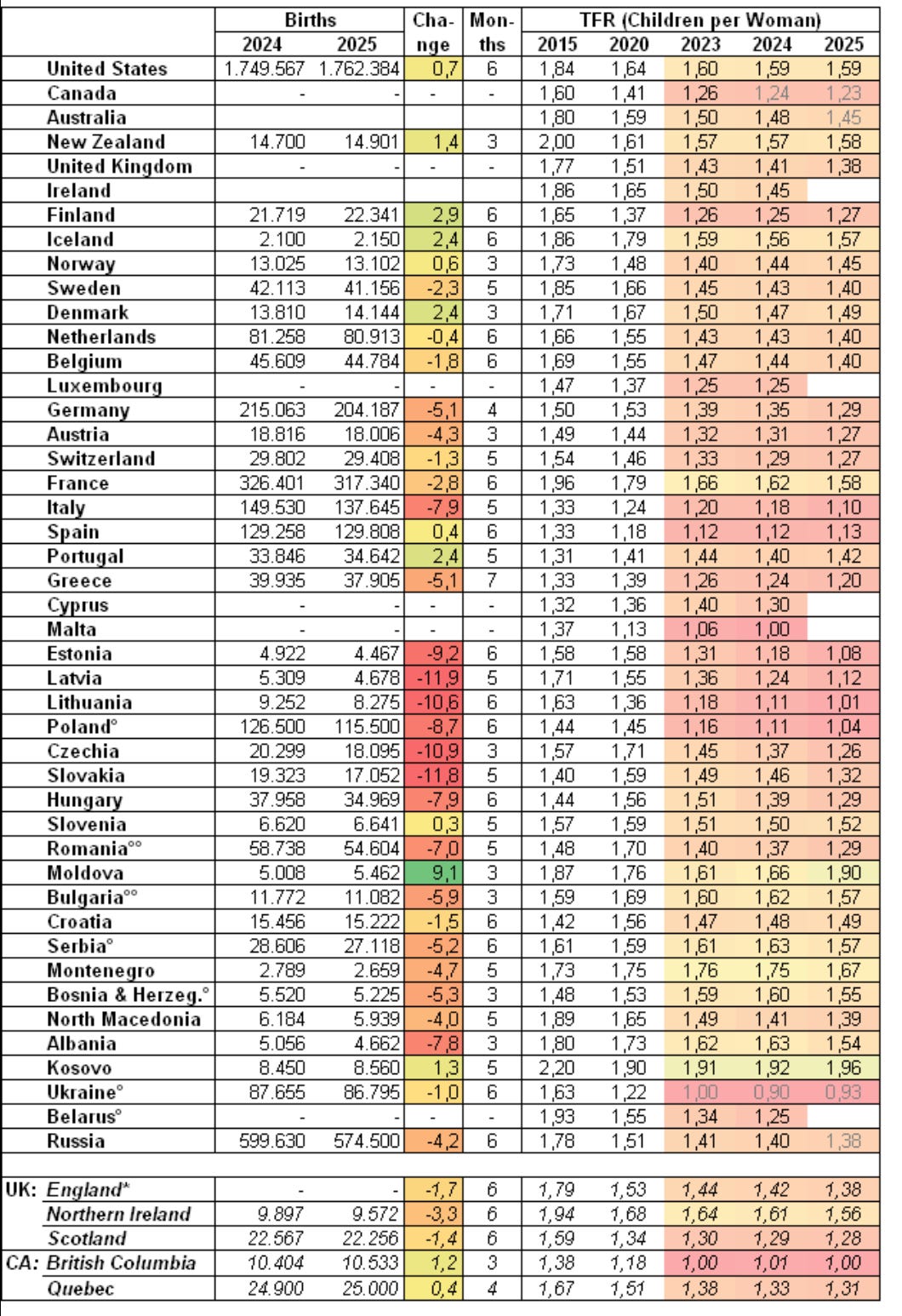
(44:39) Europe

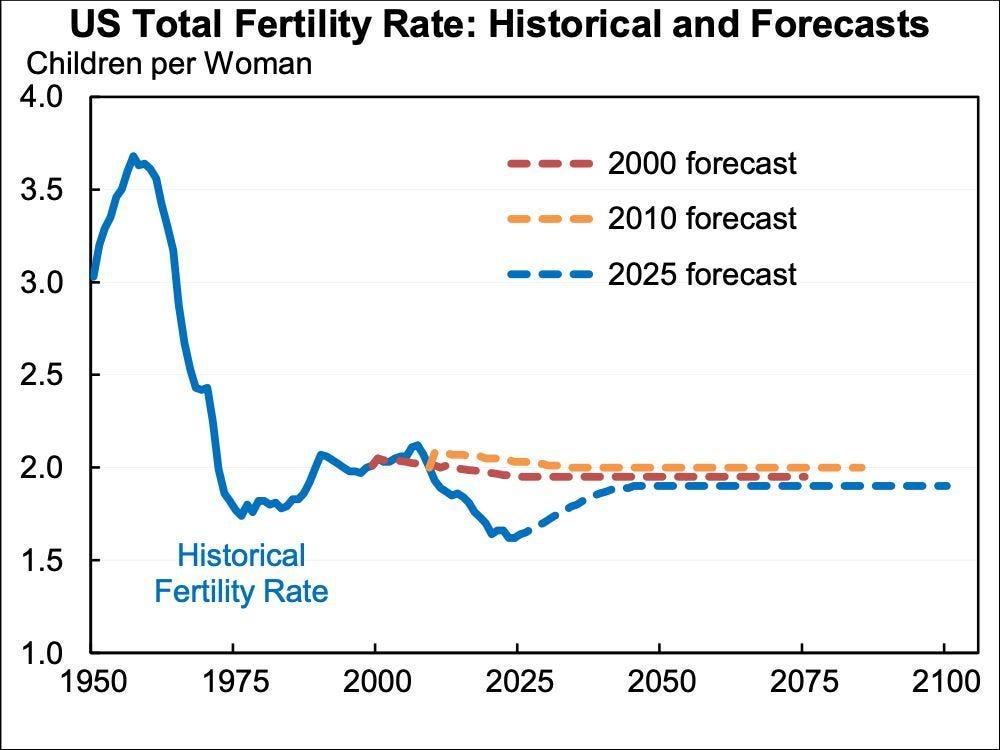
(45:34) America

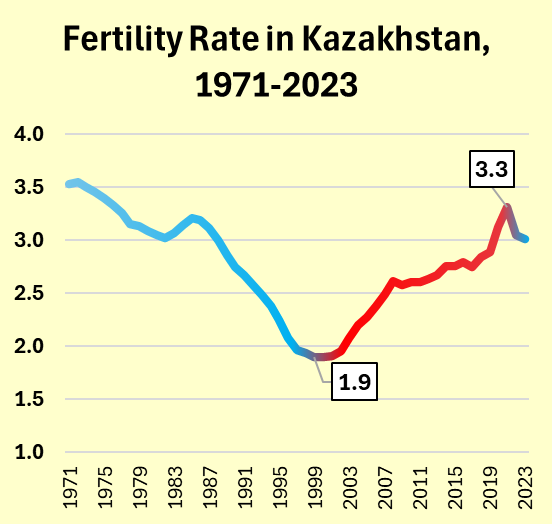
(46:43) Kazakhstan

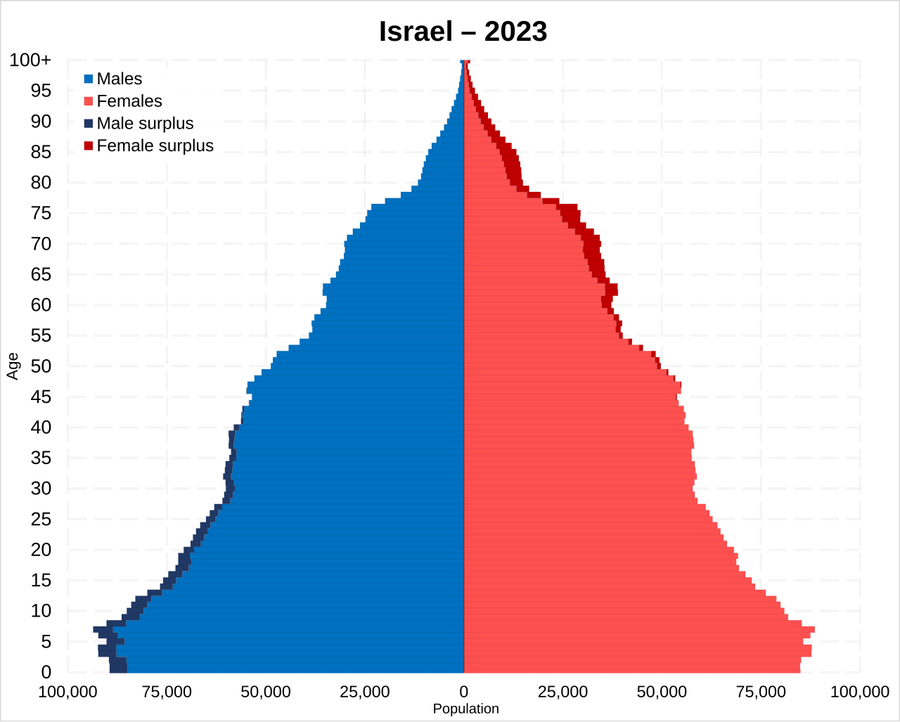
(47:10) Israel

(48:56) Consequences

(49:49) Unfounded Optimism

(50:56) History

(51:44) Implications

---

First published:

January 2nd, 2026


Source:

https://www.lesswrong.com/posts/SSQDuWDsbXH3kujPb/fertility-roundup-5-causation

---

Narrated by TYPE III AUDIO.

---

Images from the article:
Area chart showing U.S. household composition changes from 1960 to 2023 by category.
A line graph showing
Line graph titled
Four children sitting in car seats in back of vehicle.
Bar chart titled
A line graph showing
Matthew Yglesias tweets:
Bar graph showing percentage who
Animated baby with blue eyes eating a carrot.
Two maps comparing percent of population under age 18 by US state, 1990 versus 2024.
Area chart showing
Line graphs showing
Bar chart showing household spending on private education by South Korean province and city.
World map showing numerical data by country, ranging from 0.6 to 6.9, with Africa displaying highest values.
Map showing global fertility rates by country in 2023 with declining trend chart.
Map of Africa showing fertility rates by country and projected 2050 city populations.
Six country flags with numerical values: Taiwan 0.78, South Korea 0.80, Thailand 0.87, China 1.02, Japan 1.12, Mongolia 2.36.
Table showing births, change, months, and TFR data for various countries from 2015-2025.
Table showing births, birth rate changes, and Total Fertility Rate data by country from 2015-2025.
Population pyramid showing generational cohorts by age and sex for 2024.
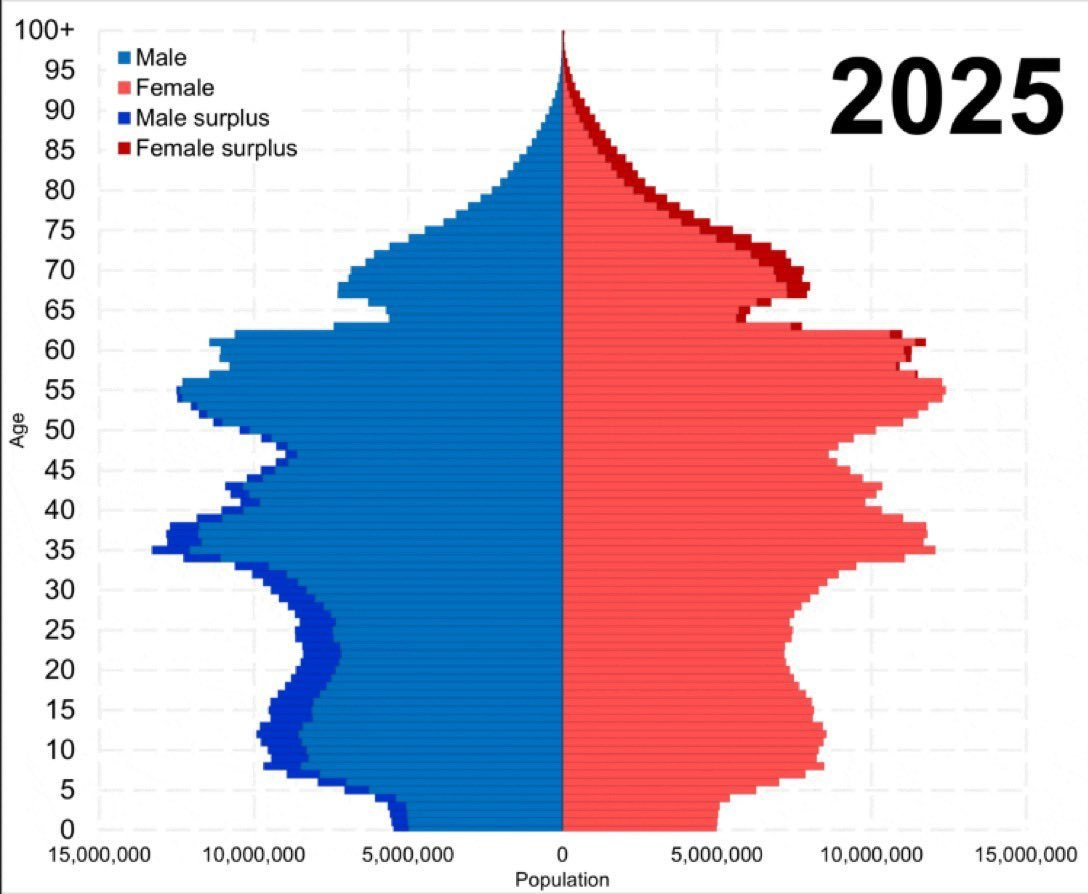
Population pyramid showing male and female age distribution for 2025.
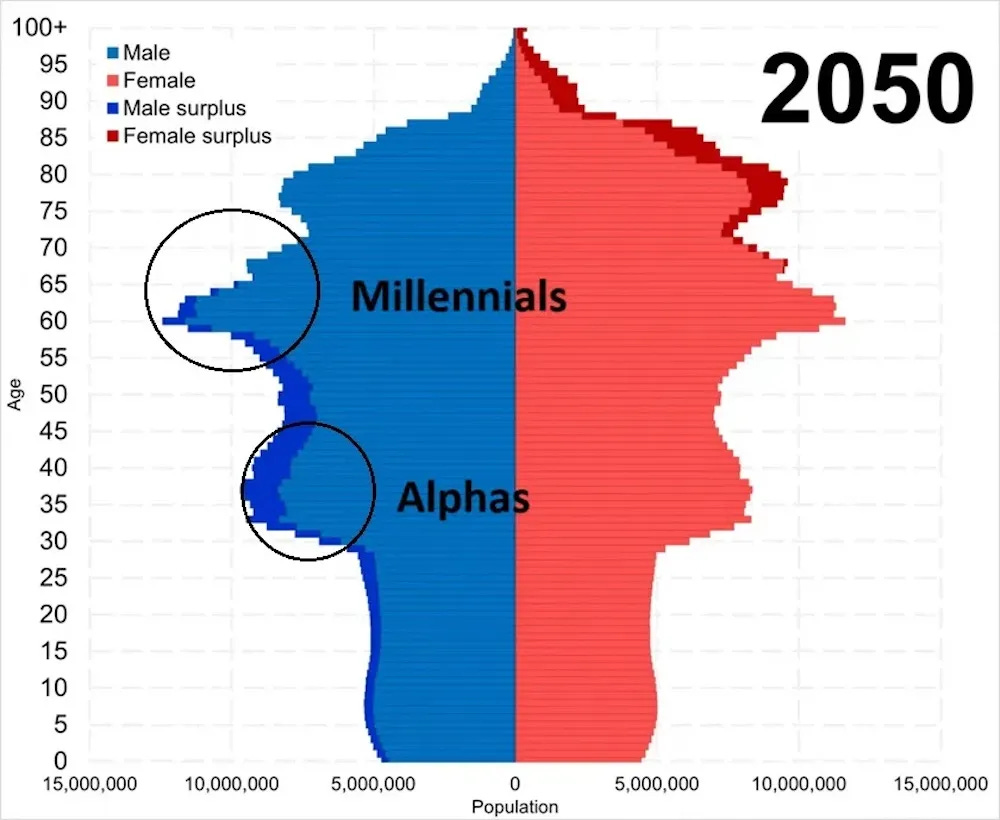
Population pyramid showing male and female age distribution for 2050, highlighting Millennials and Alphas generations.
Map showing fertility rates by province in China, with projected population decline from 1,408 million to 394 million by 2100.
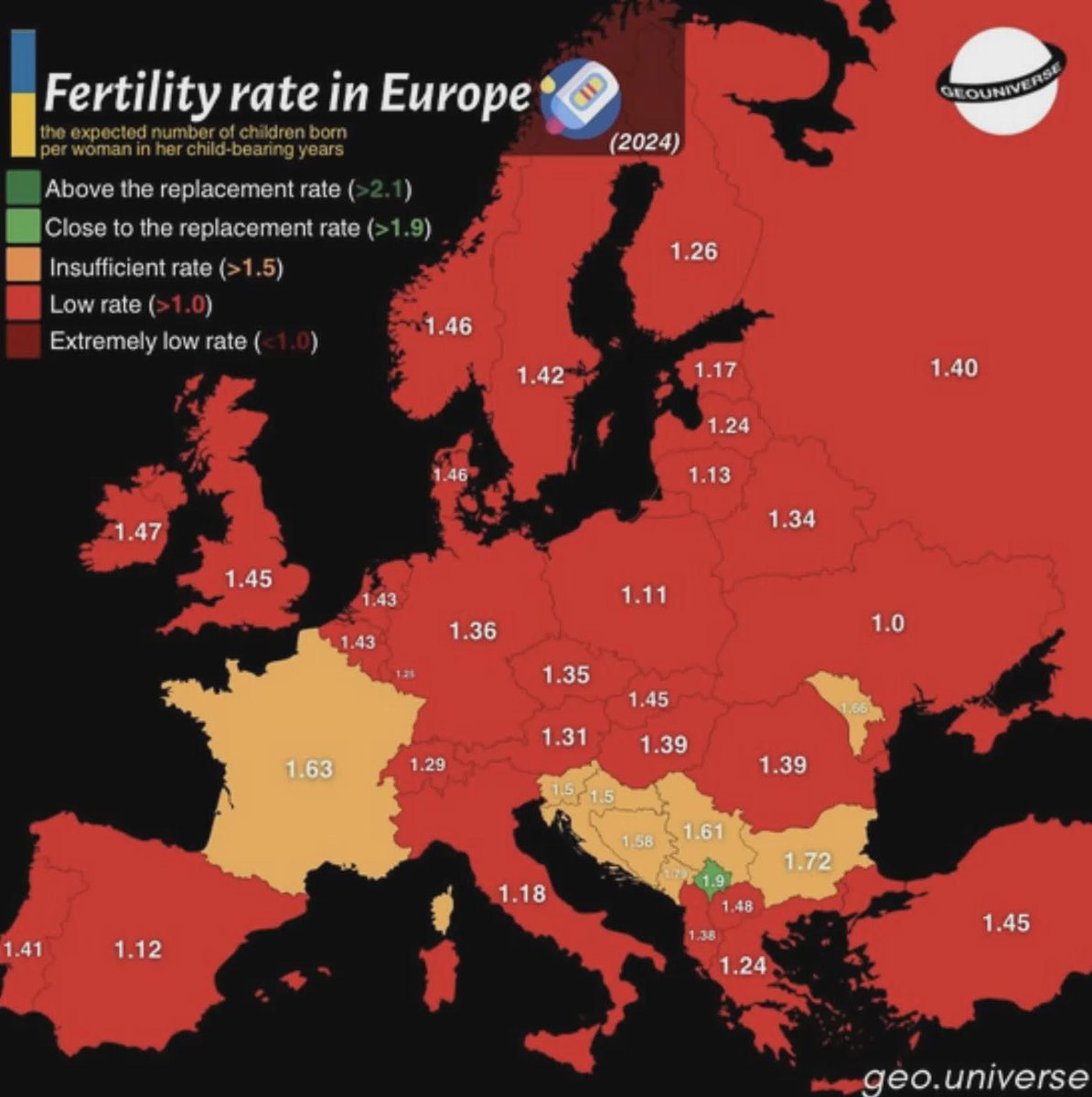
Map showing fertility rates across European countries in 2024, color-coded by demographic categories.
Line graph titled
Population pyramid showing age and gender distribution titled
Line graph titled
Population pyramid showing age and gender distribution for
Graph showing

Apple Podcasts and Spotify do not show images in the episode description. Try Pocket Casts, or another podcast app.