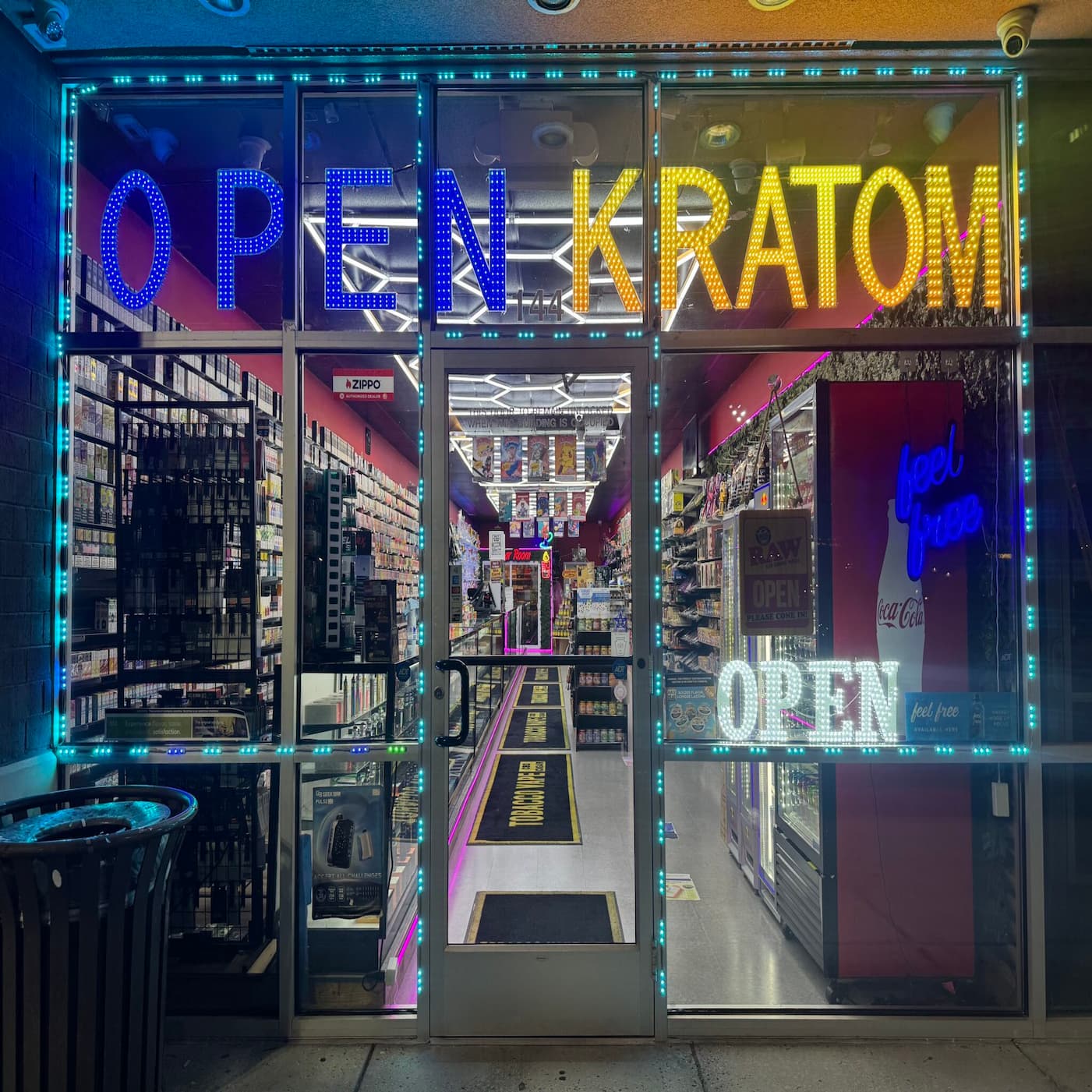
You might have seen signs advertising kratom at a corner store or out for sale on a gas station counter.
In its natural form, kratom is derived from a tree with the same name native to southeast Asia. There also are synthetic versions out there. But anyone buying it doesn’t really know what they’re getting because we don’t have labeling standards for it.
Kratom acts as a stimulant in small amounts. In larger doses, the effects are more similar to opioids – leading some people to use it while recovering from opioid addiction to help with withdrawal symptoms.
In recent years, its availability has exploded as research on its effects and regulation have lagged.
Poison control centers and emergency rooms have documented a rise in cases linked to kratom in the meantime. In Pennsylvania, more than four dozen people have died since 2025 after overdosing on it alone or in combination with other substances.
So, health professionals and lawmakers want to regulate it. And they’re meeting some resistance.
Ian Karbal has been following this issue and made time to talk more about his reporting.
Folo PA features Pennsylvania-focused audio journalism that emphasizes context, accountability and community impact.
The podcast is hosted and produced by the Capital-Star's Audio Reporter Emily Previti, with editing by Editor-in-Chief Tim Lambert. Episodes feature the work of Tim, Emily and the rest of the team as well as media partners throughout the commonwealth. Listeners also can expect content from States Newsroom's Stories from the States podcast and sister outlets across the country.
Our theme music is Dusk by Mr Smith, courtesy of the Free Music Archive licensed under an Attribution 4.0 International License.
Learn more at penncapital-star.com. You can subscribe to our newsletter, The Morning Guide, there – and support our work.