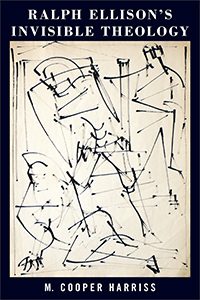
In this interview, M. Cooper Harriss, author the book Ralph Ellison’s Invisible Theology, discusses his thoughts on the unseen theological dimensions of Ralph Ellison’s writings. Harriss begins with the figure of Ellison, whose novel, Invisible Man, offers a now-classic metaphor (“invisibility”) depicting the socio-cultural and political issues and obstacles that African Americans experienced in the mid-twentieth century. By claiming the invisible not simply as a materialist term but a metaphysical one as well, Harriss contends that despite—or even because of—his status as a thoroughly “ secular” novelist and critic, Ellison’s writing reflects important theological trends and issues that mark his age and the cultural inheritances of his literary production. Harriss also identifies the scholars and thinkers who inform the methodological moves that he makes in the book, and he reflects on the abiding relevance of Ellison’s life and insights. Ralph Ellison’s Invisible Theology troubles regnant assumptions surrounding the religious and theological dimensions of racial identity and, indeed, the very fraught relationships between the terms “religion” and “theology” in contemporary academic discourse.