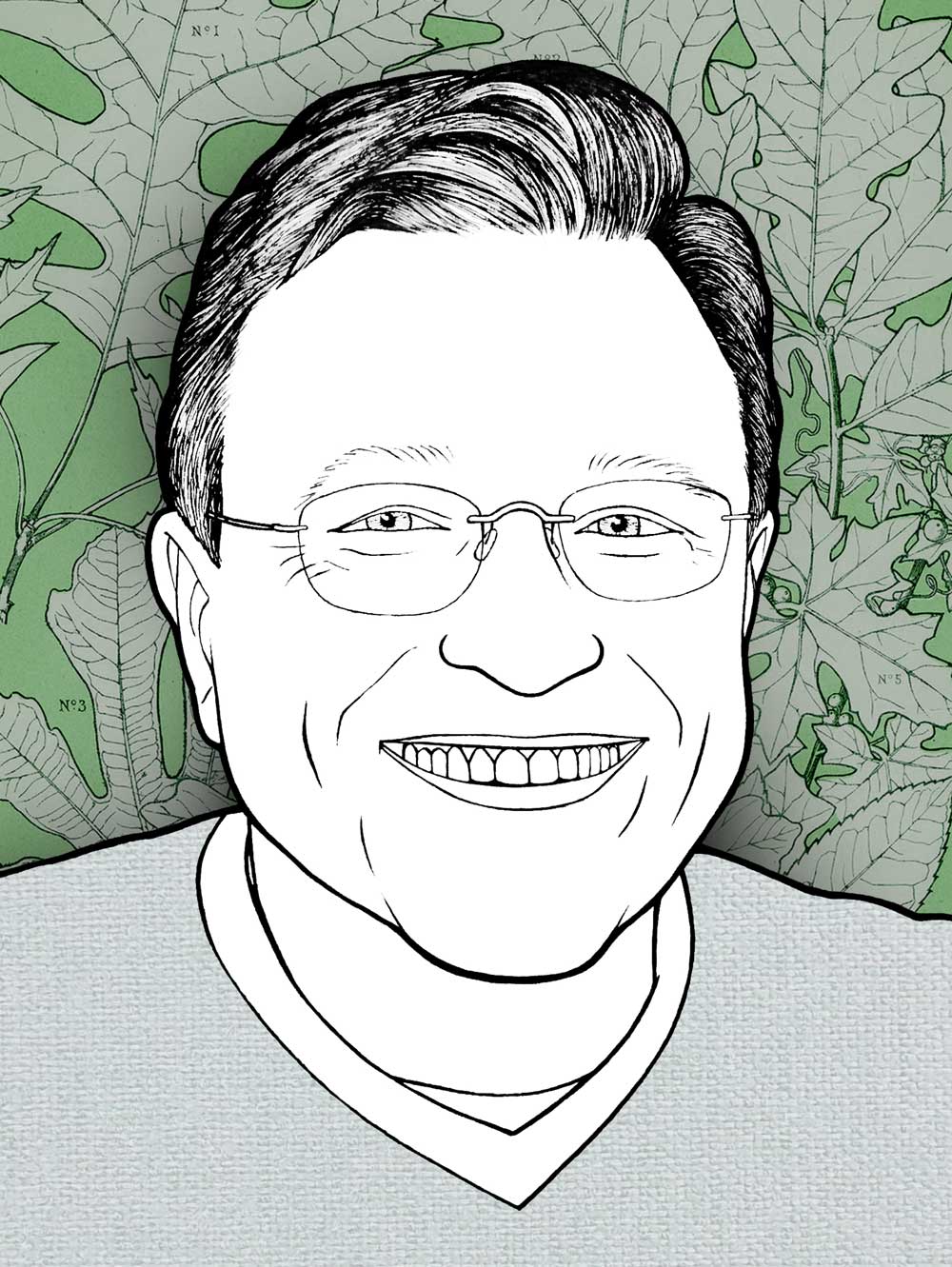
In Openlands, Jerry Adelmann joined an organization whose interests aligned perfectly with his own: nature, culture, historic preservation, social equity. Since then, Jerry has been a ninja nature practitioner who’s created art exhibitions about nature in Chicago, initiated and helped create national parks in America, and collaborated on cultural and natural protection plans in Asia. Those are just a few examples of the depth and breadth of Jerry’s and the organization’s influence. Openlands also plays an important role in the shaping of policy related to nature and planning. “Everything we do we do in partnership,” says Jerry. “I’ve been so fortunate, so blessed, to work with amazing people.” Jerry comes from a tradition of service and deep roots in the community. He’s part of a family that has lived in Lockport, a town slightly south and west of the city, for six generations. “The formula for a great city is a combination of people and place. Great spaces, great architecture, great institutions are important, but the unique character of a community is also critical: Are the values inclusive? Do people feel welcome? Do they feel part of a bigger whole?” – Gerald W. Adelmann is executive director of Openlands, a 56-year-old regional land conservation organization working in northeastern Illinois and parts of neighboring states. He is chairman of the Center for Humans and Nature and also chairs the City of Chicago Mayor’s Nature and Wildlife Committee. He has been an advisor in conservation and historic preservation projects in China since the early 1990s and, since 2008, in Myanmar.
“People have always been central to the mission of Openlands. It’s very much focused on social justice, social equity as much as it is as the quality of natural systems,” says Jerry. Here’s a video about the organization, one that gives a general overview.
The Land Trust Alliance recently interviewed Jerry, and here’s that link from Saving Land Magazine.
Give a magnificent donation to Openlands (or if you must, a sweet and modest-sized offering) by clicking here.
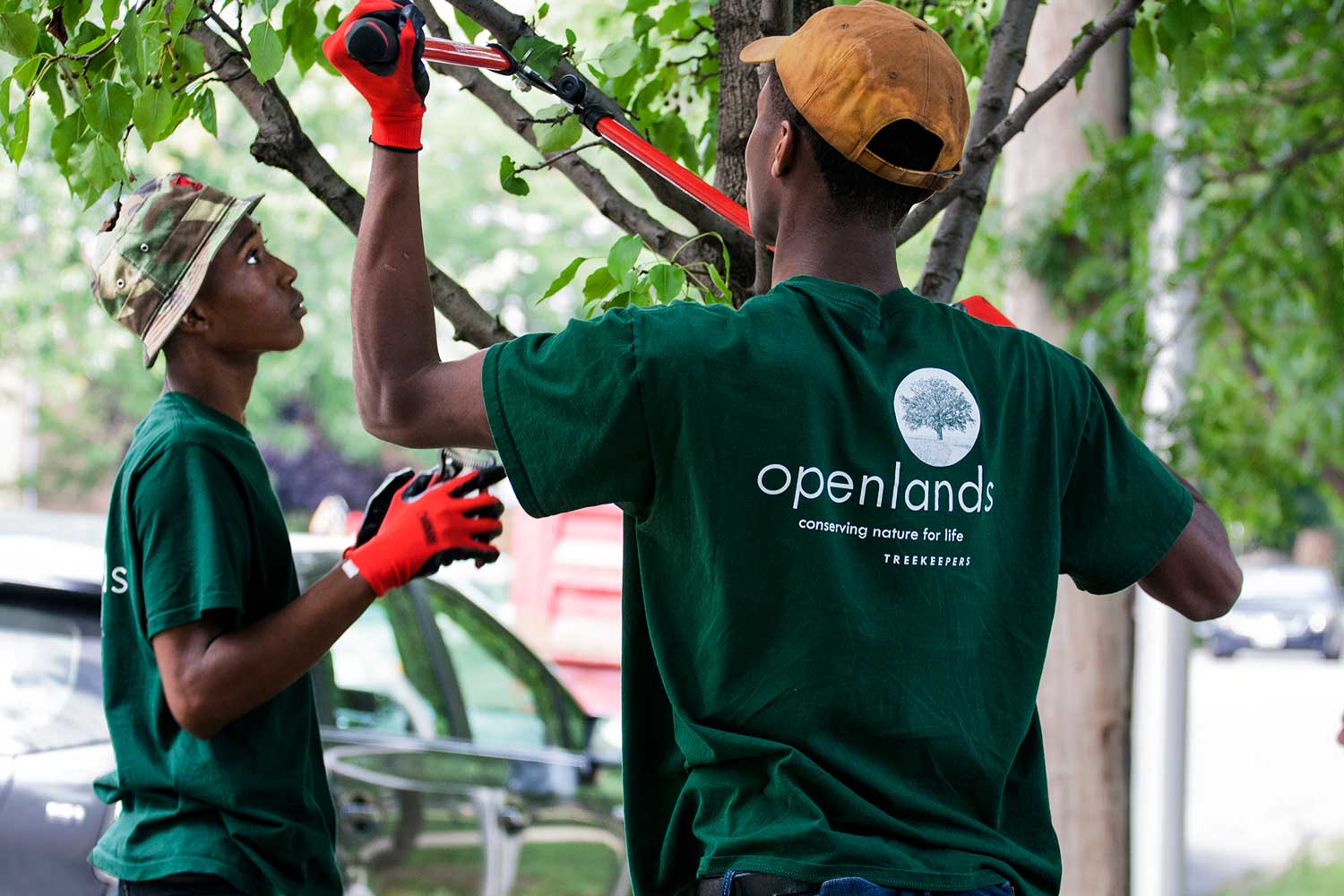
If you are interested in trees—and who isn’t?—you can volunteer to become a TreeKeeper. The TreeKeepers learn how to help keep the urban forest growing strong. TreeKeepers learn a lot about the physiology of trees and what they need to survive, and then, in return for the training, they agree to spread the word. They become knowledgable ambassadors who teach their neighbors about trees. There are a number of TreeKeeper events each year, from small pruning workshops to large planting events.