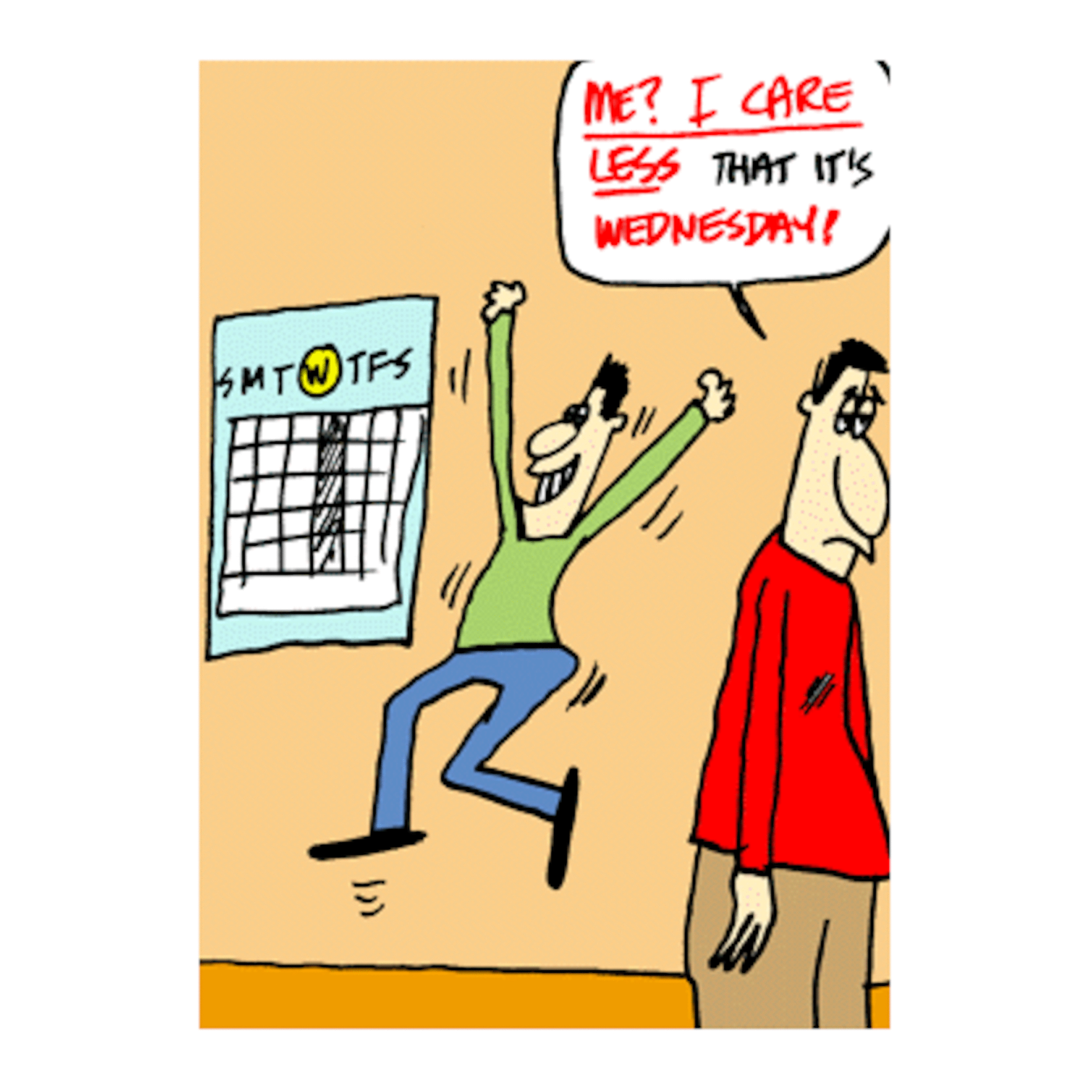
Los días de la semana / The days of the week
Monday ... el lunes ... loon ace
Tuesday ... el martes ... mar tace
Wednesday ... el miércoles ... me air co lace
Thursday ... el jueves ... way bace
Friday ... el viernes ... bee air nace
Saturday ... el sábado ... sa ba doe
Sunday ... el domingo ... doe mingo
In Spanish-speaking countries, the week begins on Monday.
***They are not capitalized and they are all masculine.
“El” and “los” when used with the days of the week mean "on."
Voy a la escuela los lunes y los miércoles.
I go to school on Mondays and Wednesdays.
No voy a la escuela los sábados.
I don’t go to school on Saturdays.
***Notice if the day ends in -s, it stays the same in the plural, we only change the article.
Important phrases to remember:
¿Qué día es hoy? What day is today?
¿Cuál es tu día favorito? What is your favorite day?
Los meses del año/ The months of the year
January ... enero ... ay nair o
February ... febrero ... fay brair o
March ... marzo ... mar so
April ... abril .. ah breel
May ... mayo ... my o
June ... junio ... who knee o
July ... julio ... who lee o
August ... agosto ... ah gust o
September ... septiembre ... sape tee aim bray
October ... octubre ... oc too bray
November ... noviembre ... no bee aim bray
December ... diciembre ... dee see aim bray
Las estaciones del año /The seasons of the year
Spring ... la primavera ... pree ma bear a
Summer ... el verano ... bear ah no
Winter ... el invierno ... een bee air no
Fall ... el otoño ... o tone yo
When telling the date, always begin with the expression Hoy es…
Hoy es el 20 de enero.
The number is always followed by the preposition “de” (of), and then the month.
The ordinal number “primero” (first) is used when referring to the first day of the month.
¿Qué (Cuál) es el fecha de hoy? Hoy es el primero de junio.