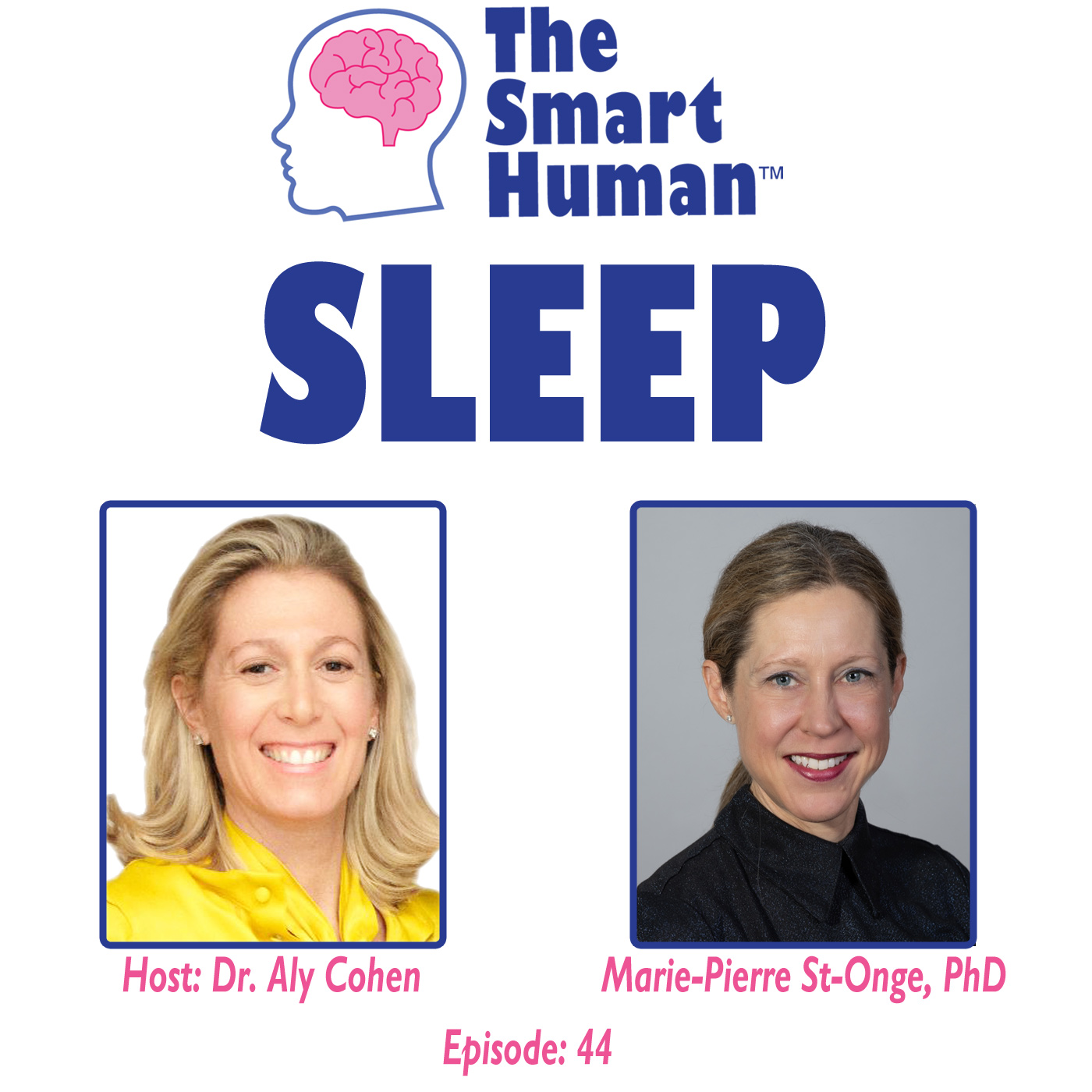
In this episode, we discuss:
●How sleep and diet directly influence each other.
●How specific dietary patterns and specific nutrients can improve sleep, and how processed foods may worsen it.
●Ways you can restore the body through REM support for memory and learning.
●How aging and menopause influence sleep
●How light exposure therapy works and how light at night (LAN) can disrupt sleep cycles
●How common disorders like sleep apnea disrupt sleep cycles and how they can be managed effectively.
●How consistent routines, stress reduction, and a healthy environment improve sleep quality.
●If naps are a good idea….and under which circumstances you can maximize their benefits?
●How adequate sleep quality & quantity supports weight regulation, metabolism, and overall heart health.
Marie-Pierre St-Onge, Ph.D, CCSH, FAHA
Professor of Nutritional Medicine
Director, Center of Excellence for Sleep & Circadian Research
Division of General Medicine, Department of Medicine
College of Physicians and Surgeons
Columbia University Irving Medical Center
Address: 622 West- 168 th Street, PH9-103H
New York, NY 10032
E-mail: ms2554@cumc.columbia.edu
Dr. St-Onge is the founding Director of the Center of Excellence for Sleep Circadian Research at Columbia University Irving Medical Center. The overall focus of her research is the study of the impact of lifestyle, specifically sleep and diet, on cardio-metabolic risk factors. Dr. St-Onge has been NIH-funded since 2008, conducting innovative, cutting-edge clinical research combining her expertise on sleep, nutrition, and energy balance regulation to address questions related to the role of circadian rhythms, including sleep duration and timing as well as meal timing and eating patterns, on cardiometabolic risk. She has strong expertise in the conduct of controlled inpatient and outpatient studies of sleep and dietary manipulations. Dr. St-Onge was Center Director for the American Heart Association funded Go Red for Women Strategically Focused Research Center, aimed at determining the causality of the relation between sleep and cardiovascular disease and the specific role that sleep plays in the health of women throughout the life cycle. She is a pioneer in this field, having chaired the first scientific statements endorsed by the AHA on sleep and cardiometabolic health as well as meal timing and frequency and cardiovascular disease risk prevention. She is the recipient of an NHLBI Outstanding Investigator Award and a standing member of the Human Studies of Diabetes and Obesity Study Section at the NIH.