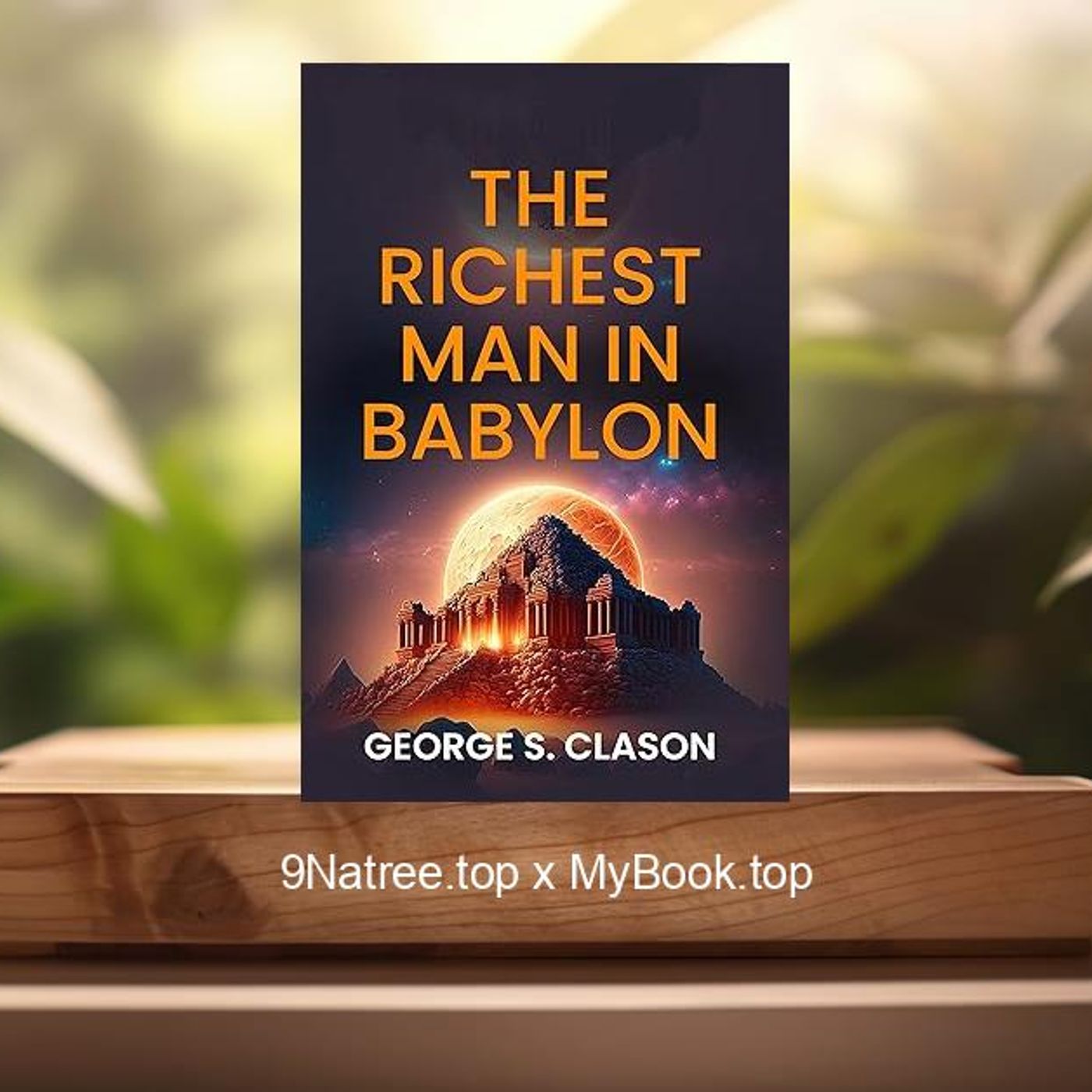
The Richest Man in Babylon (George S. Clason)
Buy on Amazon: https://www.amazon.com/dp/B0BYLYQN89?tag=9natree-20
Read more: https://mybook.top/read/B0BYLYQN89/
#FinancialIndependence #WealthAccumulation #PersonalFinance #InvestinginKnowledge #CompoundInterest #BudgetingandSaving #RiskManagement #TheRichestManinBabylon
These are takeaways from this book.
Firstly, The Importance of Saving, One of the pivotal lessons espoused in ‘The Richest Man in Babylon’ is the importance of saving a portion of one’s income. Clason introduces the concept through a simple yet powerful principle: ‘Pay Yourself First.’ He advises setting aside at least 10% of your earnings before distributing your income on expenses or debts. This concept is foundational, teaching readers the virtue of self-discipline and the significance of prioritizing one’s future financial well-being. Saving is not depicted as a sacrifice, but as a strategy for ensuring a prosperous future and achieving financial independence. The book underscores how consistent saving over time can build a substantial reserve, enabling wealth accumulation and providing security against unforeseen financial challenges.
Secondly, Controlling Expenses, Another cornerstone topic in ‘The Richest Man in Babylon’ is the necessity of controlling expenses. Despite earning a substantial income, financial stability can be elusive if one’s outgo exceeds their income. Clason vividly illustrates that the key to wealth is not how much one earns but how much one retains. The book encourages readers to scrutinize their spending habits, differentiating between necessary expenses and luxurious indulgences. By adopting a frugal lifestyle and living within one’s means, individuals can prevent financial distress and build a solid foundation for wealth accumulation. This section of the book is crucial, as it addresses a common pitfall in financial planning and emphasizes the role of disciplined spending in achieving long-term financial goals.
Thirdly, The Power of Compound Interest, Clason delves into the concept of compound interest, illustrating it as one of the most powerful tools for wealth building. He narrates stories that demonstrate how money can work for the individual, earning interest upon interest, leading to exponential growth over time. This principle encourages readers to invest their savings wisely, capitalizing on the opportunities for their money to grow. The book emphasizes the importance of starting early, allowing time to magnify the effects of compounding. It also highlights the significance of choosing investments wisely, focusing on those that offer stable and consistent returns. This topic is fundamental in understanding how passive income streams can be developed, transforming saved money into a powerful source of wealth.
Fourthly, Investing in Knowledge, Investing in oneself is a crucial theme in ‘The Richest Man in Babylon.’ Clason suggests that acquiring knowledge and expertise is the most profitable investment one can make. The book advocates for continuous learning and self-improvement as pathways to increasing one’s value and, consequently, earning potential. It emphasizes that investing in education, skills, and professional development can unlock opportunities and lead to financial growth. The narrative underscores the importance of seeking advice from knowledgeable and experienced individuals, thereby avoiding costly mistakes and making informed decisions. This topic resonates deeply, as it ties personal growth to financial success, emphasizing that intellectual capital is invaluable in navigating the complexities of wealth accumulation.
Lastly, The Virtue of Insurance, ‘The Richest Man in Babylon’ also touches upon the concept of insurance as a tool for risk management. Clason introduces this through tales that convey the importance of protecting one’s wealth against potential losses. The book paves the way f