In recent days, significant developments have emerged in the quest to combat malaria, particularly in the realm of vaccine development and implementation.
One of the most promising advancements comes from a computational model that has mapped over 67,000 malaria epitopes. This groundbreaking work, reported on May 20, 2025, aims to improve vaccine targeting by identifying specific regions on the malaria parasite that the immune system can recognize and attack. This detailed mapping could significantly enhance the efficacy of future malaria vaccines by guiding researchers to the most effective targets[1].
However, not all malaria vaccine developments have been smooth sailing. BioNTech's investigational RNA vaccine for malaria, BNT165e, has hit a roadblock. The FDA has placed a clinical hold on the Phase I/IIa trial of this mRNA-based vaccine, which is designed to prevent blood-stage infection and induce long-term immunity. Although the reasons for the hold were not specified, BioNTech is working with the FDA to address the concerns and determine the next steps for the trial, which is set to be completed in early 2026[2].
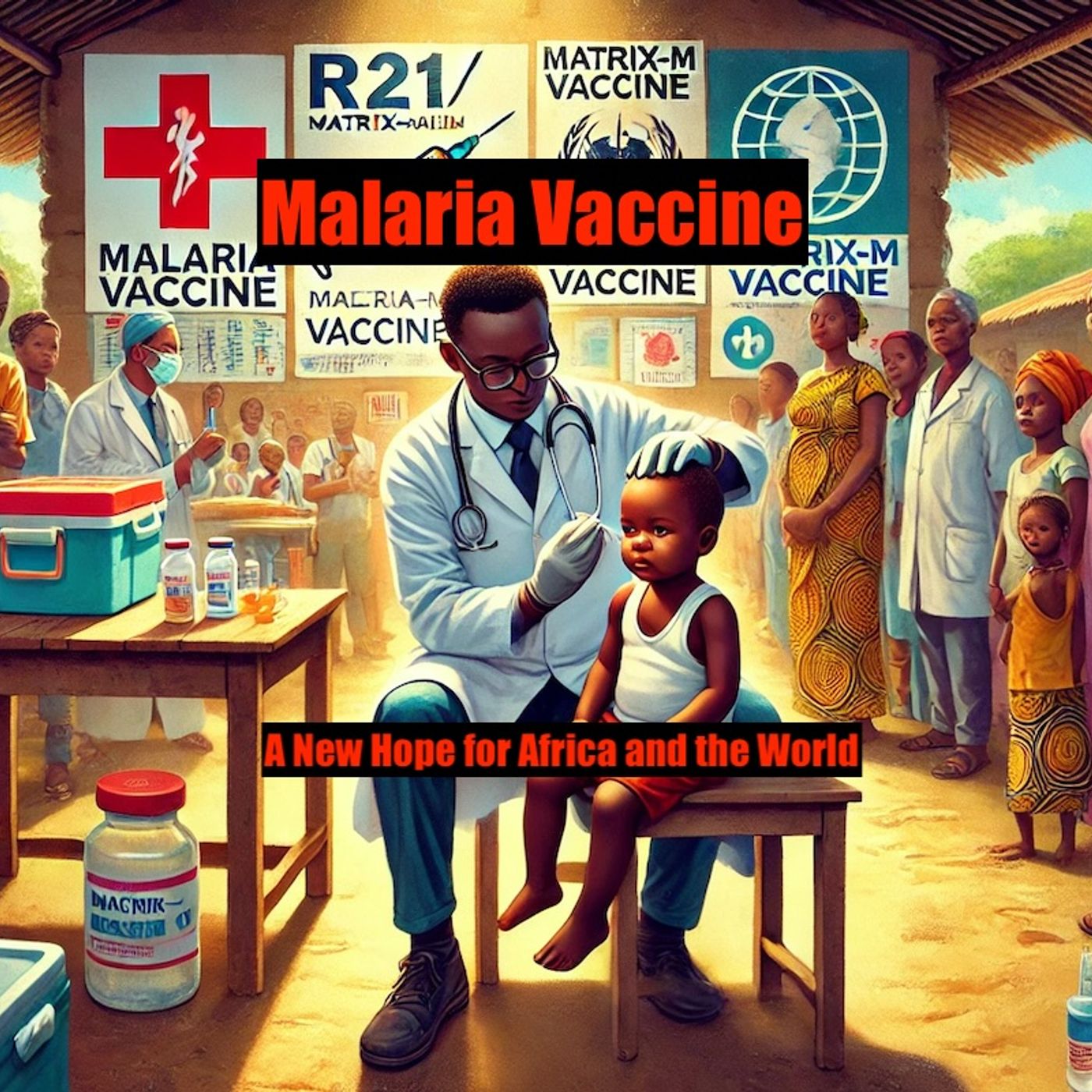
On a more positive note, UNICEF marked World Malaria Day on April 25, 2025, by launching the rollout of the R21/Matrix-M vaccine in Mali. This vaccine, which has shown higher efficacy compared to its predecessor RTS,S, is a significant step forward in the fight against malaria. The R21 vaccine has been recommended by the WHO and is being implemented or considered in several African countries, offering hope for reducing malaria cases and deaths, especially in regions where the disease is endemic[3].
The effectiveness of malaria vaccines can vary significantly depending on the local parasite characteristics. For instance, the RTS,S vaccine, the world's first malaria vaccine, has shown only about 30% efficacy after a four-dose schedule. In contrast, the R21 vaccine promises up to 75% efficacy. The key to successful vaccine implementation lies in ensuring that the vaccine's parasite characteristics match those of the parasites circulating in the target regions. This mismatch can significantly impact the vaccine's effectiveness in reducing cases and deaths[5].
As research continues to advance, funding and support remain crucial. Ocean Biomedical, for example, has secured an additional $3.5 million NIH grant to further identify vaccine targets to protect against severe malaria in children. This funding will help expedite the development pathway for new malaria vaccines[4].
In summary, while challenges such as the FDA's clinical hold on BioNTech's vaccine trial exist, the overall landscape for malaria vaccine development is promising. With advanced computational models, new vaccine rollouts, and ongoing research supported by significant funding, there is renewed hope in the global effort to combat malaria.
This content was created in partnership and with the help of Artificial Intelligence AI