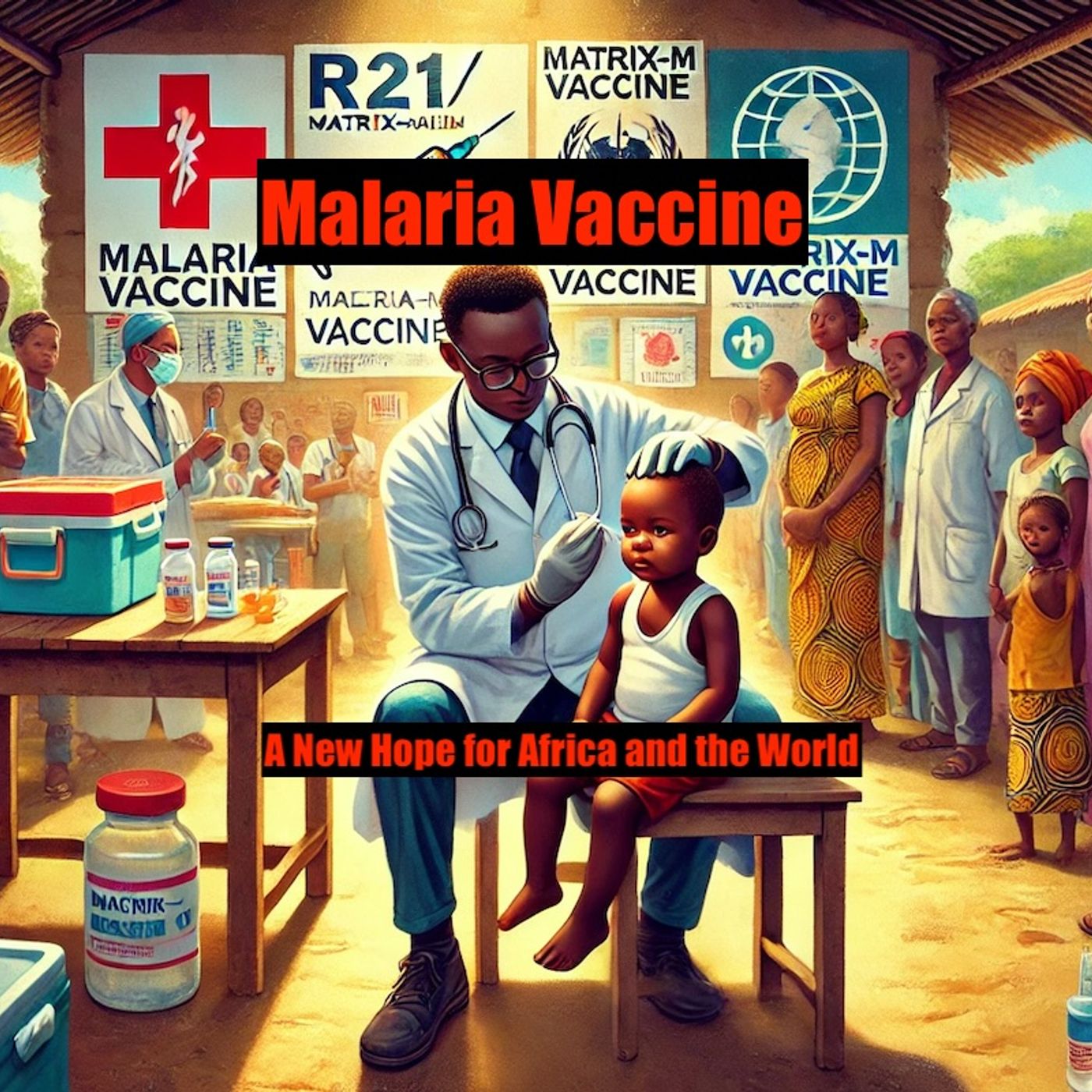
In the ongoing battle against malaria, significant advancements have been made, particularly with the recent developments and implementations of malaria vaccines. As of the latest updates, two malaria vaccines, RTS,S/AS01 and R21/Matrix-M, have been recommended by the World Health Organization (WHO) for the prevention of _Plasmodium falciparum_ malaria in children living in areas of moderate to high transmission.
The WHO updated its recommendation in October 2023, emphasizing the use of these vaccines to protect children, who are particularly vulnerable to malaria. In 2023, malaria claimed the lives of approximately 432,000 African children, highlighting the urgent need for effective preventive measures. The pilot introduction of the RTS,S vaccine in Ghana, Kenya, and Malawi demonstrated a substantial public health impact, including a 13% drop in mortality among children eligible for vaccination and a significant reduction in hospitalizations for severe malaria[1].
The R21/Matrix-M vaccine, co-developed by the University of Oxford and the Serum Institute of India, has also shown promising results. Phase III trials published in February 2024 in _The Lancet_ revealed unprecedented safety, efficacy, and cost-effectiveness. This vaccine is the first to achieve the WHO-specified 75% efficacy goal, particularly in highly seasonal malaria settings when administered just before the transmission season[2][5].
As of December 2024, 17 countries in Africa have introduced these malaria vaccines into their routine childhood immunization programs. The Central African Republic is among the latest to integrate the R21/Matrix-M vaccine into its Expanded Programme on Immunization (EPI), aiming to vaccinate around 200,000 children. This rollout is supported by WHO, UNICEF, and Gavi, the Vaccine Alliance, which are also assisting in developing vaccination implementation plans, communication strategies, and training for health workers[4].
Both vaccines have been prequalified by WHO, ensuring their safety and quality. The RTS,S vaccine was prequalified in July 2022, and the R21 vaccine received prequalification in December 2023. The availability of these two vaccines is expected to meet the high demand, with the capacity to manufacture 100-200 million doses of the R21/Matrix-M vaccine annually[1][2].
The widespread implementation of these vaccines is anticipated to save tens of thousands of young lives every year. Modelling estimates suggest that scaling up these vaccines to all Gavi-eligible countries could prevent up to half a million child deaths over 12 years. Despite the promising efficacy, challenges such as vaccine distribution, access, and acceptance in affected regions remain significant hurdles that need to be addressed[1][5].
In conclusion, the recent advancements in malaria vaccines represent a significant breakthrough in the global fight against malaria. With continued support from international partners and concerted efforts to ensure widespread implementation, these vaccines hold the potential to redefine malaria prevention and save countless lives in the years to come.
This content was created in partnership and with the help of Artificial Intelligence AI