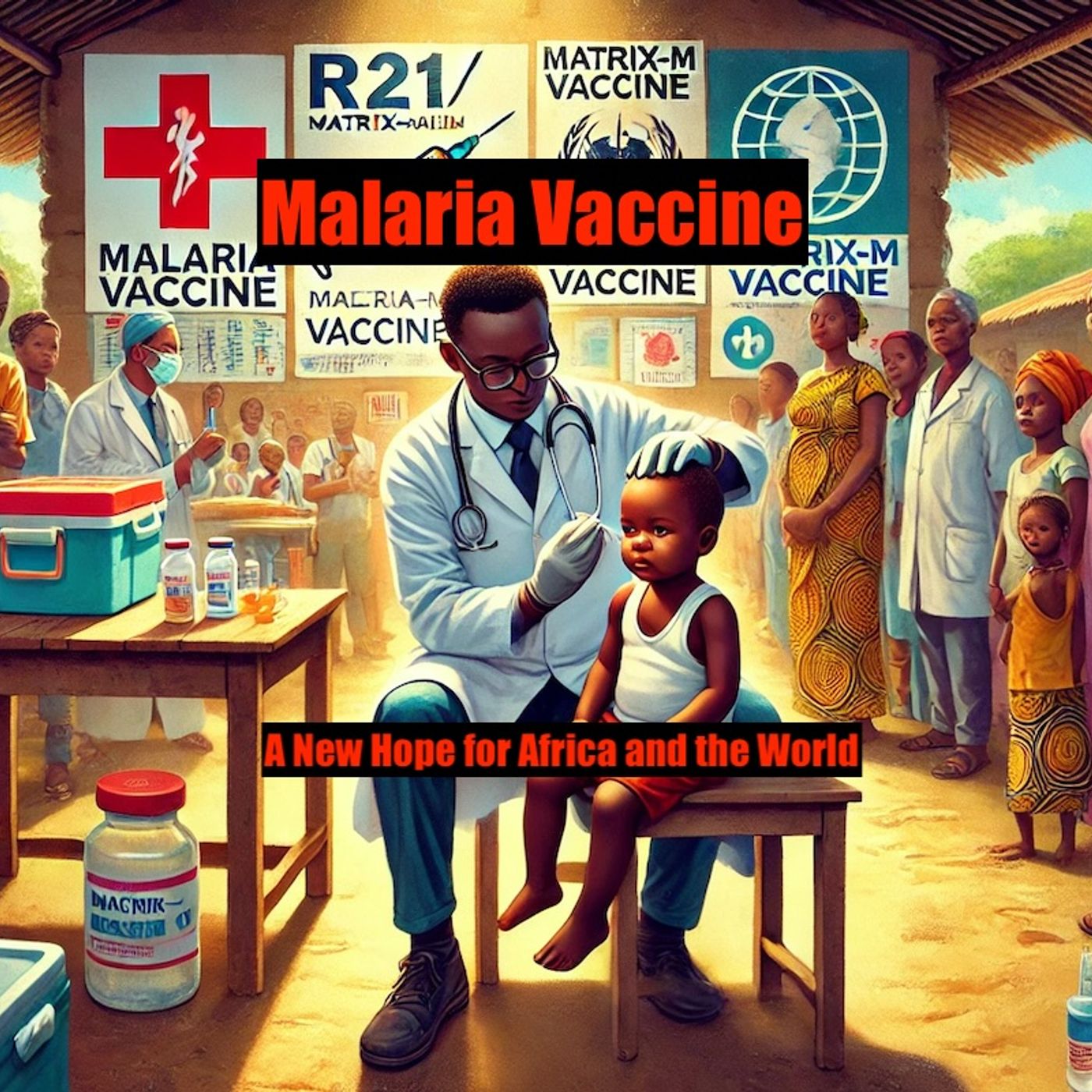
In the ongoing global effort to combat malaria, several significant developments have emerged in the past few days, highlighting promising advancements in malaria vaccine research and implementation.
One of the most recent updates comes from Sail Biomedicines, which announced that it will present new preclinical data on its malaria eRNA vaccine candidates at the 2025 Grand Challenges Annual Meeting. This meeting, held virtually from June 1-4, features Sail Biomedicines' innovative Endless RNA™ (eRNA) platform, designed to enhance antigen expression and elicit potent immune responses against malaria. The preclinical results show that Sail's eRNA vaccine candidates, encoding a R21-based malaria antigen, have generated robust anti-PfCSP antibody responses in mouse studies, often surpassing the efficacy of currently licensed malaria vaccines. Notably, these vaccines achieved sterile protection in 53% of the animals in a malaria challenge model, indicating a potential advantage over existing vaccines[2].
In addition to these preclinical breakthroughs, there have been significant strides in the rollout of existing malaria vaccines. Uganda has recently launched the largest malaria vaccine introduction to date, marking a major milestone in the fight against the disease. This initiative is part of a broader effort across Africa, where 19 countries are already offering malaria vaccines, including the RTS,S and R21 vaccines, as part of their childhood immunization programs and national malaria control plans. By early April 2025, these vaccines had been integrated into health programs in countries such as Benin, Burkina Faso, and Uganda, among others. The World Health Organization (WHO) has prequalified both vaccines, ensuring their safety and quality, and additional countries are expected to introduce these vaccines in 2025[5].
Further progress has been reported by Sanaria, which has announced promising early safety outcomes for its innovative PfSPZ-LARC2 malaria vaccine. In a clinical trial conducted in Burkina Faso, the vaccine has successfully passed initial safety evaluations in 30 adult volunteers. This vaccine uses genetically attenuated parasites that are engineered to arrest in the liver stage, preventing progression to the disease-causing blood-stage infection. The positive safety profile has cleared the way for the vaccine to advance to subsequent phases, focusing on adolescents aged 6 to 19 years. This development is crucial given the persistent global health burden of malaria, with nearly 263 million cases and over 600,000 deaths reported annually, predominantly in Sub-Saharan Africa[4].
These recent developments underscore the commitment and innovation driving the global campaign to end malaria. With ongoing research into new vaccine technologies and the expanding rollout of proven vaccines, there is renewed hope for significant reductions in malaria cases and deaths in the near future.
This content was created in partnership and with the help of Artificial Intelligence AI