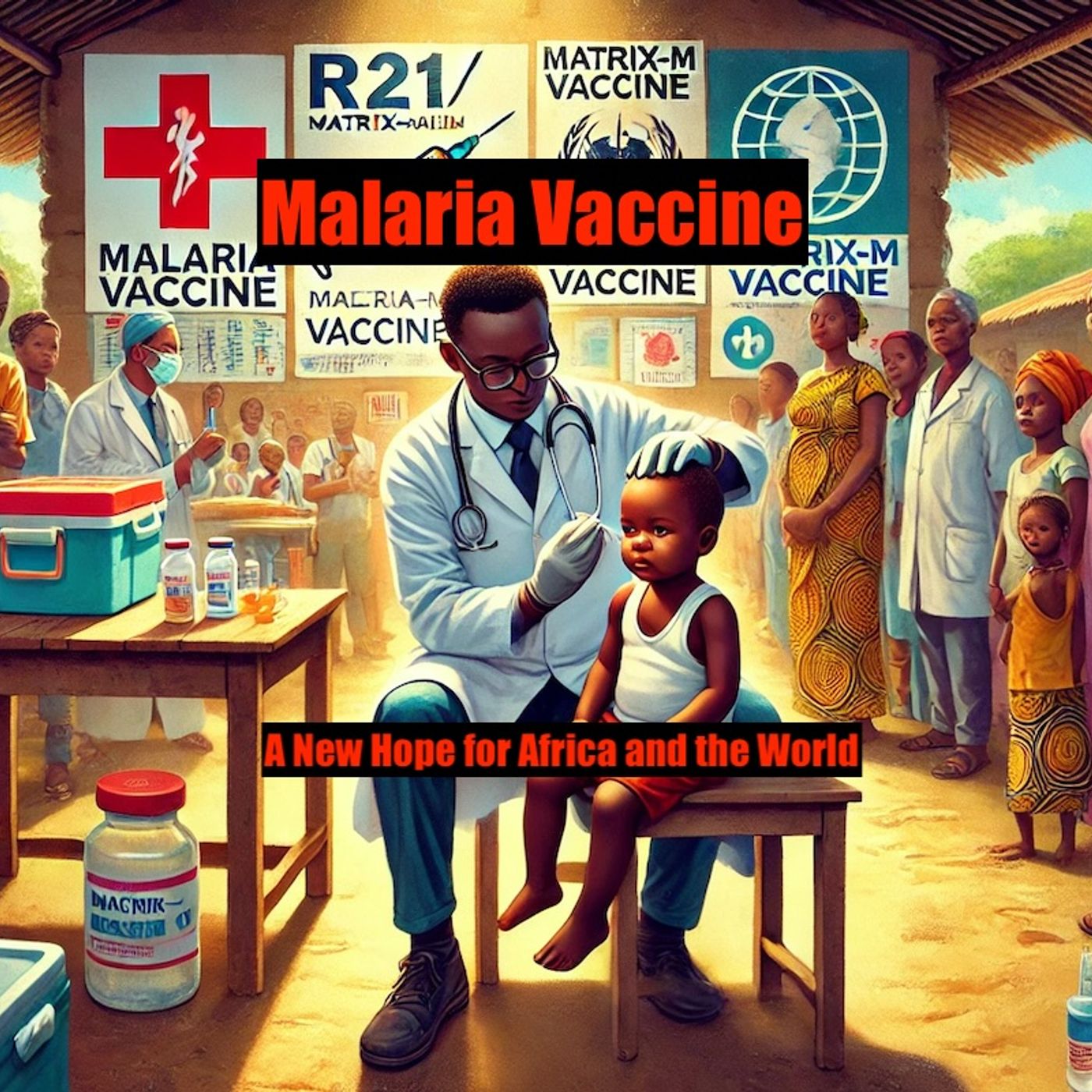
In the ongoing fight against malaria, recent developments have marked significant milestones in the quest for effective vaccination strategies. As of the latest updates, several advancements in malaria vaccines have been highlighted, particularly over the past few months, although specific news from the past two days is limited.
The World Health Organization (WHO) has been at the forefront of promoting malaria vaccines, with two vaccines, Mosquirix™ (RTS,S/AS01) and R21/Matrix-M™, recommended for use in children living in malaria-endemic areas. These vaccines were added to the WHO list of prequalified vaccines in 2024, and as of January 2025, 17 countries have introduced them through routine immunization programs[1][3].
The R21/Matrix-M vaccine, co-developed by the University of Oxford and the Serum Institute of India, has shown unprecedented safety, efficacy, and cost-effectiveness. It is the first malaria vaccine to achieve the WHO-specified 75% efficacy goal and has demonstrated high efficacy in both highly seasonal and low-to-moderate malaria transmission settings[2][3].
In addition to these approved vaccines, new candidates are showing promising results. The RH5.1/Matrix-M malaria vaccine, developed at the University of Oxford, targets the blood-stage of malaria and has shown a vaccine efficacy of 55% in phase 2b trials. This vaccine appears safe and highly immunogenic in African children, offering promising efficacy against clinical malaria[1].
Another innovative approach involves whole-sporozoite vaccination with live-attenuated parasites. A recent study published in _Nature Medicine_ highlighted the efficacy of genetically attenuated Pf∆mei2 parasites (GA2), which provided up to 90% protection against malaria infection in clinical trials. This single-dose vaccine has shown no breakthrough infections in participants and induces a robust immune response, making it a promising candidate for future widespread use[5].
Furthermore, monoclonal antibodies are also being explored as a preventive measure. A phase 2 study published in the _New England Journal of Medicine_ demonstrated that a single subcutaneous injection of the L9LS malaria monoclonal antibody offered up to 77% protection against _P. falciparum_ infection over six months. Another monoclonal antibody, VRC-MALMAB0100-00-AB, showed up to 88.2% effectiveness in preventing infection over 24 weeks[1].
These advancements underscore the growing arsenal of tools in the fight against malaria, a disease that still claims over 600,000 lives annually, predominantly among children under five. As research continues and more vaccines and treatments are developed, the global health community remains hopeful for a future where malaria can be significantly controlled or even eradicated.
This content was created in partnership and with the help of Artificial Intelligence AI