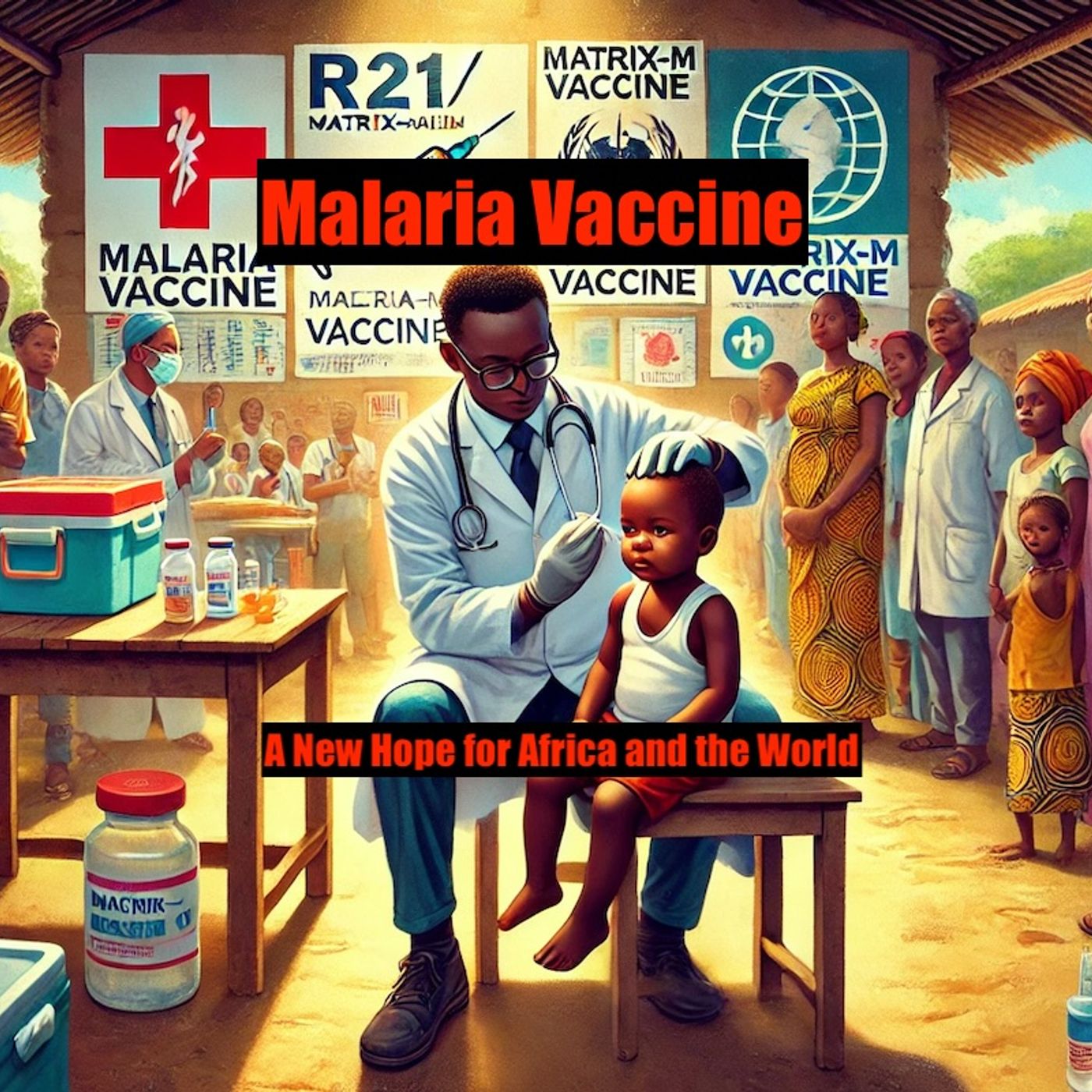
In the ongoing battle against malaria, several recent developments have marked significant progress, particularly in the realm of vaccine research and implementation.
One of the most promising updates comes from Ocean Biomedical, which has announced substantial advancements in their malaria vaccine research. With new funding from the National Institutes of Health (NIH) and an expedited development pathway from the U.S. Food and Drug Administration (FDA), the team led by Dr. Jonathan Kurtis is making strides in developing a novel malaria vaccine. This vaccine targets a unique protein called glutamic acid-rich protein (GARP) on the surface of malaria-infected red blood cells, which children who naturally resist severe malaria have been found to develop antibodies against. The research, supported by a $4.6 million non-governmental grant and an additional $3.5 million NIH grant, is currently testing three vaccine candidates in non-human primates and may initiate human trials as early as the fourth quarter of 2025[2].
In addition to these vaccine developments, recent studies have highlighted other critical aspects of malaria control. For instance, researchers have discovered that mosquitoes can survive prolonged droughts by relying on blood consumption, which explains why rates of mosquito-borne illnesses do not always decline during dry periods. This insight underscores the need for consistent and robust vector control measures, such as insecticide-treated nets and indoor residual spraying, even in times of drought[1].
The World Health Organization (WHO) has also been at the forefront of malaria vaccine implementation. The WHO has recommended the broad use of the RTS,S/AS01 malaria vaccine among children in regions with moderate to high malaria transmission. Recently, the WHO endorsed a second vaccine, R21/Matrix-M, which has shown high efficacy in highly seasonal malaria settings and good efficacy in low-to-moderate endemicity settings. These vaccines are being rolled out in routine childhood immunization programs across Africa, with the potential to save tens of thousands of young lives annually[3][5].
The distribution of these vaccines is part of a larger effort to combat malaria. For example, 18 million doses of the RTS,S/AS01 vaccine have been allocated to 12 African countries for the 2023-2025 period. Countries such as Ghana, Kenya, and Malawi will continue vaccinations in pilot areas, while new introductions are planned in Benin, Burkina Faso, Burundi, Cameroon, Democratic Republic of the Congo, Liberia, Niger, Sierra Leone, and Uganda. This rollout is a critical step in reducing the high mortality rate caused by malaria, which claims nearly half a million children under the age of 5 each year in Africa[5].
These advancements in vaccine research and implementation, coupled with ongoing efforts in vector control and drug resistance monitoring, represent a multifaceted approach to tackling the devastating impact of malaria globally. As new technologies and strategies emerge, there is growing hope for a future where malaria is more effectively controlled and its toll on human lives significantly reduced.
This content was created in partnership and with the help of Artificial Intelligence AI