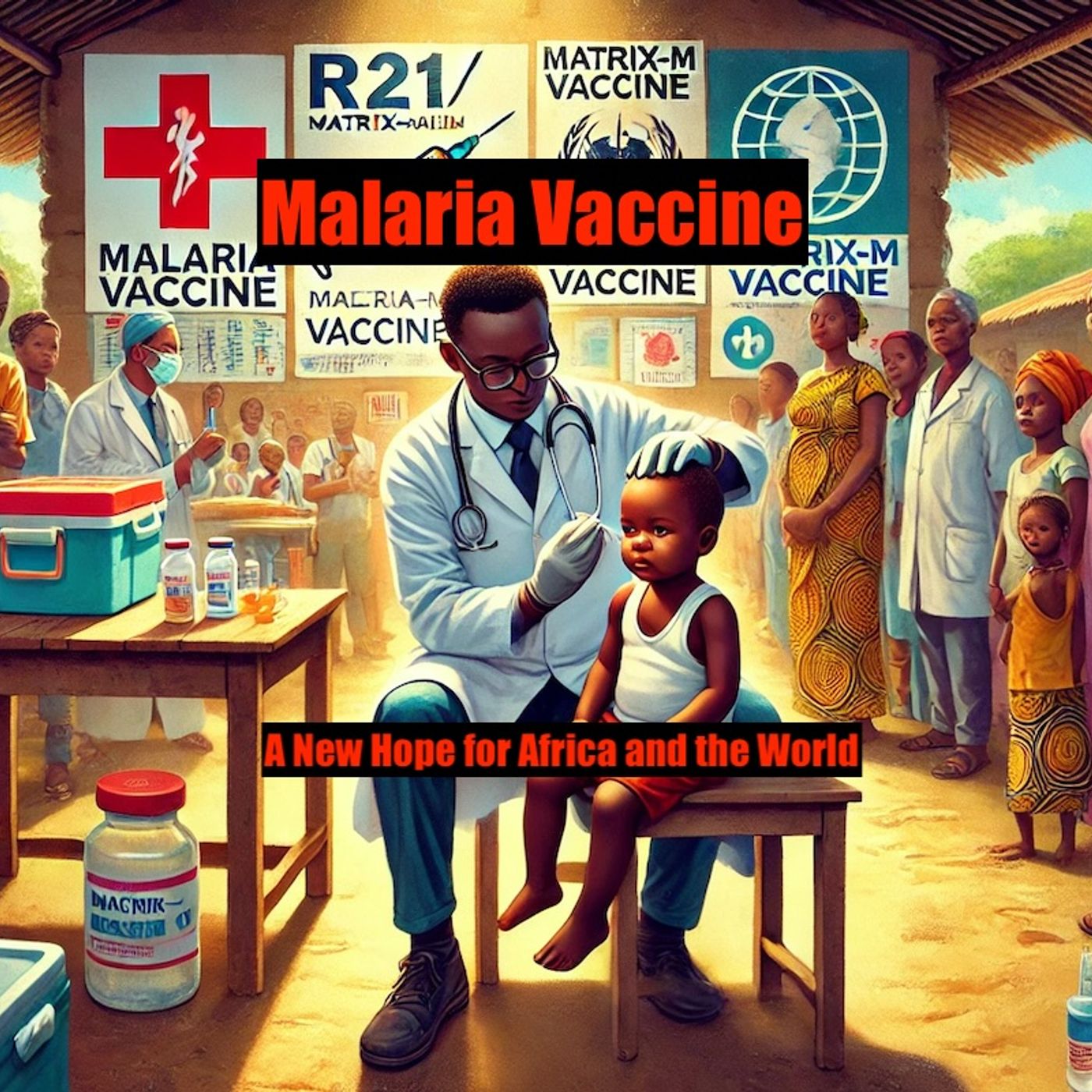
In recent developments, significant strides have been made in the fight against malaria, particularly with advancements in malaria vaccine technology.
One of the most promising updates comes from the trials of the PfSPZ-LARC2 malaria vaccine, developed by researchers from Sanaria and the Seattle Children’s Research Institute’s Center for Global Infectious Disease Research. As of February 2025, data from a new study revealed that this novel, single-dose vaccine provided an impressive 90% protection against controlled human malaria infection after just one injection. This breakthrough marks a substantial step forward in combating malaria, a disease that still claims nearly 600,000 lives annually, with the majority of those deaths occurring in children under the age of 5 in the African region[1].
In addition to the PfSPZ-LARC2 vaccine, other initiatives are underway to integrate malaria vaccines into national health programs. For instance, Gavi, the Vaccine Alliance, has been instrumental in introducing malaria vaccines into immunization schedules. Last July, Gavi helped introduce a malaria vaccine into the national immunization schedule for infants in South Sudan, highlighting the global effort to protect vulnerable populations[3].
More recently, on World Malaria Day in April 2025, UNICEF launched the rollout of the R21/Matrix-M vaccine in Mali. This vaccine is part of a broader strategy to combat malaria, which remains a significant public health challenge, especially in sub-Saharan Africa[4].
The R21/Matrix-M vaccine, developed at the University of Oxford, targets the blood-stage of malaria and has shown promising results. In phase 2b trials, it demonstrated a vaccine efficacy of 55% when administered in a three-dose regimen. Researchers have noted that this vaccine appears safe and highly immunogenic in African children, offering hope for reducing clinical malaria cases[5].
While these vaccines have not yet been approved by the U.S. Food and Drug Administration as of June 2025, the ongoing research and implementation efforts signify a concerted global push to eradicate malaria. These advancements are crucial given the disease's severe impact, which includes symptoms ranging from fever and headache to severe complications like impaired consciousness, convulsions, and death if left untreated[1].
As the world continues to battle malaria, these recent developments in vaccine technology and public health initiatives offer a beacon of hope for the millions affected by this devastating disease.
This content was created in partnership and with the help of Artificial Intelligence AI