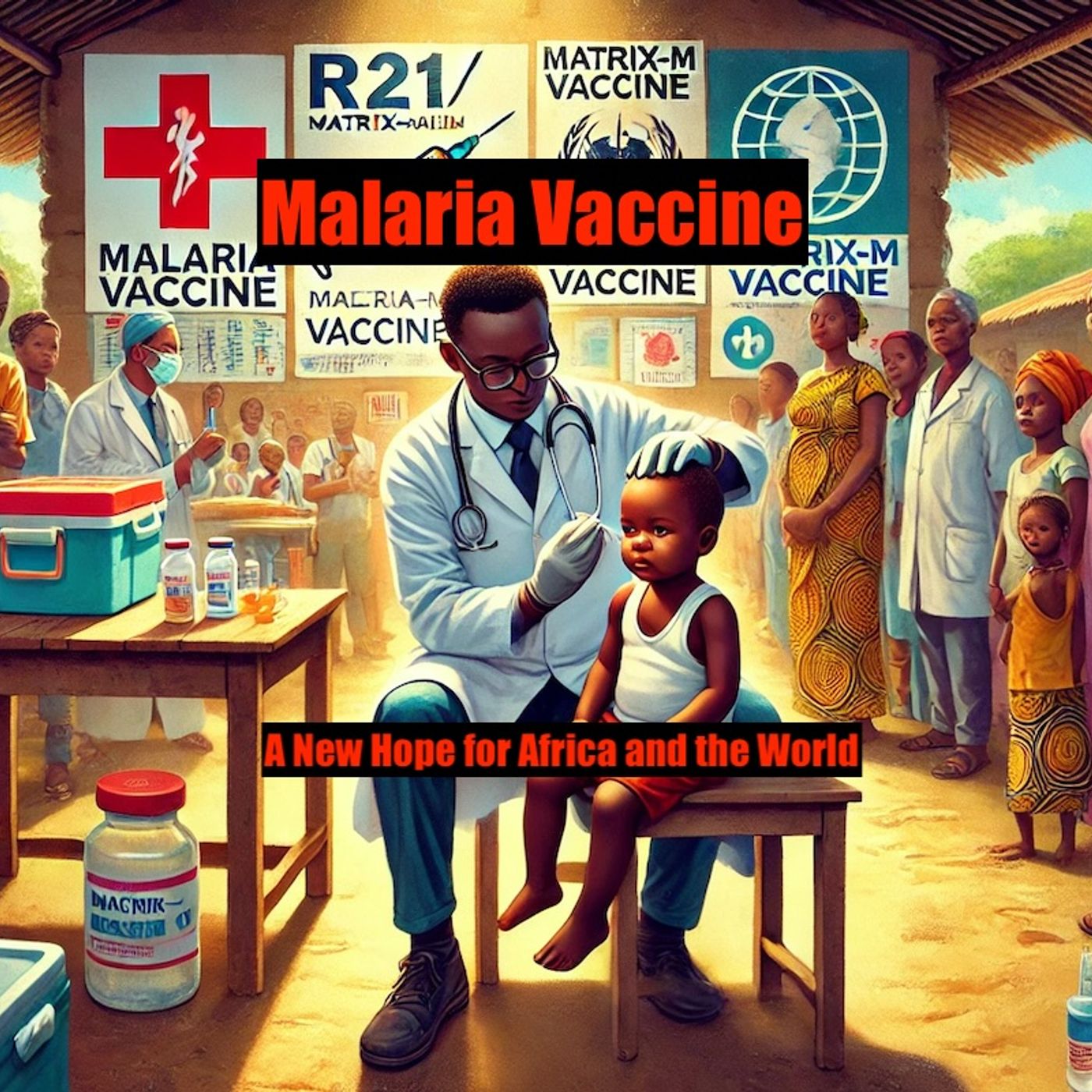
In recent days, significant advancements and deployments in the fight against malaria have been highlighted, particularly focusing on the rollout and development of malaria vaccines.
As of late April 2025, several countries have initiated or are preparing to launch malaria vaccine introduction programs. Burundi has become the 18th country to introduce malaria vaccines, joining other nations in their efforts to combat this debilitating disease. This rollout is part of a broader initiative to integrate malaria vaccines into national health strategies, especially in regions with high malaria burdens[1][3].
One of the most promising developments is the emergence of a new, single-dose malaria vaccine known as PfSPZ-LARC2. Developed by researchers from Sanaria and the Seattle Children’s Research Institute’s Center for Global Infectious Disease Research, this vaccine has demonstrated a remarkable 90% efficacy against controlled human malaria infection after just one injection. This breakthrough marks a substantial step forward in the global fight against malaria, a disease that caused 263 million cases and nearly 600,000 deaths in 2023, with the majority of these deaths occurring in children under the age of 5 in the African region[2].
In addition to the PfSPZ-LARC2 vaccine, the RTS,S vaccine, trade-named Mosquirix, continues to be a key tool in malaria prevention. This vaccine is administered in four doses to children between 5 months and 17 months of age and offers about 40% protection against malaria cases and 30% against severe malaria. While its efficacy is lower compared to the new PfSPZ-LARC2 vaccine, it remains a crucial component of national malaria control strategies. The World Health Organization (WHO) and manufacturers like GlaxoSmithKline are working to ensure equitable and long-term access to this vaccine, particularly in high-burden countries[4].
The distribution of these vaccines has also seen innovative approaches. In Nigeria, for instance, approved malaria vaccines have been delivered using Zipline drones, an unmanned mini-plane technology, to enhance accessibility and efficiency in vaccine distribution[3].
These developments signal a renewed vigor in the global effort to combat malaria. With ongoing trials and the introduction of new vaccines, there is growing hope for achieving higher efficacy levels, such as the WHO's goal of 75% or more, which could significantly reduce the impact of this disease worldwide. As countries and global health organizations continue to collaborate and invest in these initiatives, the prospect of a malaria-free future appears more feasible than ever.
This content was created in partnership and with the help of Artificial Intelligence AI