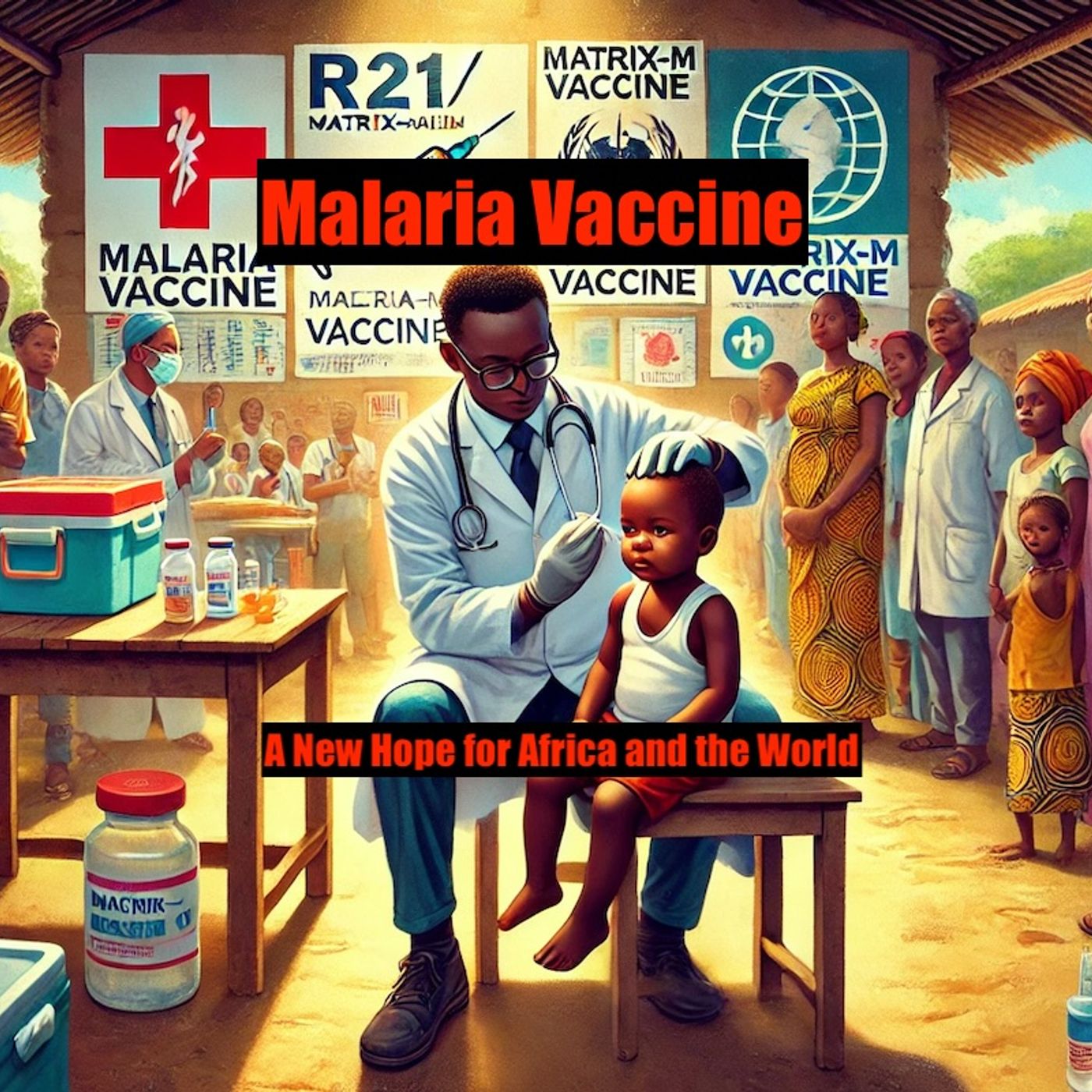
In the ongoing fight against malaria, significant advancements have been made, particularly in the development and deployment of malaria vaccines. As of the latest updates, the World Health Organization (WHO) has reinforced its recommendations for the use of malaria vaccines to prevent _Plasmodium falciparum_ malaria in children living in endemic areas.
The WHO has prequalified and recommended two malaria vaccines: Mosquirix™ (RTS,S/AS01) and R21/Matrix-M™. Both vaccines have been shown to be safe and effective in preventing malaria in children, with the ability to reduce malaria cases by more than half during the first year after vaccination. A fourth dose given in the second year of life prolongs this protection, and when administered seasonally in areas of highly seasonal transmission, these vaccines can prevent around 75% of malaria episodes[3][4].
The R21/Matrix-M™ vaccine, co-developed by the University of Oxford and the Serum Institute of India, has recently been rolled out in several African countries. As of July 2024, 15 African countries, including Côte d’Ivoire, Ghana, Nigeria, Burkina Faso, and the Central African Republic, have introduced this vaccine, aiming to reach around 6.6 million children by 2025[5].
In addition to these existing vaccines, a breakthrough has been achieved with the development of the RH5.1/Matrix-M™ vaccine, which targets the blood-stage of malaria. This vaccine, developed at the University of Oxford, has shown promising safety and efficacy in early trials. In a clinical trial involving 360 children in Burkina Faso, the vaccine demonstrated 55% efficacy in preventing clinical malaria and over 80% efficacy in preventing severe cases. This new vaccine offers a vital second line of defense against malaria, complementing the existing liver-stage vaccines[2].
The global demand for malaria vaccines is expected to increase significantly, with the WHO estimating an annual demand of 40–60 million doses by 2026 and 80–100 million doses annually by 2030. To meet this demand, production capacities are being expanded. For instance, the technology transfer to the Bharat Biotech International Limited (BBIL) is expected to increase the supply and reduce the prices of the RTS,S/AS01 vaccine[4].
Furthermore, innovative technologies are being explored to enhance malaria vaccine development. In January 2025, MalarVx, Inc. licensed HDT Bio's proprietary self-amplifying replicon RNA (repRNA) and lipid nanoparticle (LION™) technologies for use in malaria vaccines, demonstrating potential in preventing infections caused by _Plasmodium_ parasites[1].
In another significant development, monoclonal antibodies have shown promising results in preventing malaria. A phase 2 study published in April 2024 demonstrated that a single subcutaneous injection of the NIAID's experimental L9LS malaria monoclonal antibody offered up to 77% protection against _P. falciparum_ infection over six months. Another monoclonal antibody, VRC-MALMAB0100-00-AB, was found to be up to 88.2% effective at preventing infection over 24 weeks[1].
These advancements underscore the concerted global effort to combat malaria, particularly in regions with the highest burden. As the WHO continues to update its guidelines and recommendations, the availability and effectiveness of these vaccines are expected to significantly impact public health, especially among vulnerable populations such as children in malaria-endemic areas.
This content was created in partnership and with the help of Artificial Intelligence AI