In response to growing concerns about a potential pandemic, the government has made a significant move by purchasing millions of doses of a newly developed vaccine. This proactive step aims to fortify public health defenses and ensure preparedness against possible outbreaks.
The decision to stockpile the vaccine comes amidst warnings from health officials about the risks associated with emerging infectious diseases, which have the potential to spread rapidly across borders. While the specific disease at the center of these pandemic fears was not named, the government's commitment to securing a vast quantity of vaccines highlights the seriousness with which it views the threat.
This move is part of a broader health strategy to bolster the national vaccine supply and enhance the public health infrastructure necessary to administer vaccinations quickly and efficiently. The acquisition of these vaccines is intended not only to protect against potential pandemics but also to reassure the public about the government's readiness to handle such health crises.
In tandem with the stockpiling of vaccines for pandemic prevention, health authorities in the United Kingdom have issued warnings to travelers headed to malaria-prone regions this winter. There has been a notable increase in imported cases of malaria, prompting concerns about the spread of this mosquito-borne disease.
Travelers visiting parts of Africa, Asia, and Latin America where malaria is endemic are at higher risk, especially during the colder months when people may underestimate the prevalence of mosquitoes carrying the malaria parasite. The UK health advisory emphasizes the importance of taking preventive measures, such as using mosquito repellent, sleeping under insecticide-treated nets, and taking antimalarial medication as prescribed.
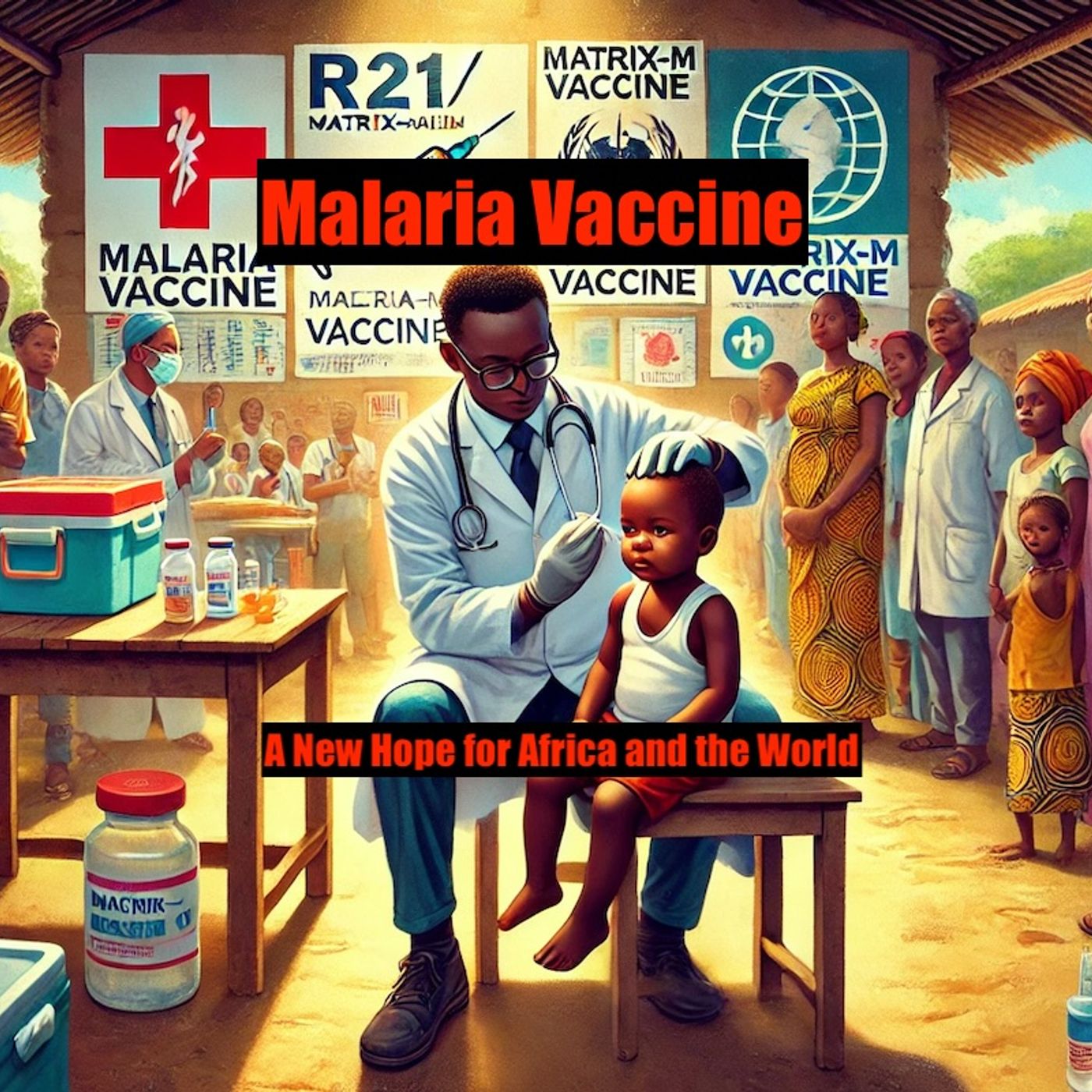
To complement preventive efforts against imported malaria cases, the development and deployment of a malaria vaccine remain a critical focus. While there are vaccines that provide protection against malaria, their rollout has been limited, and they are not yet universally available. Increased research funding and public health initiatives aimed at combating malaria, including vaccine development, are vital components of the global strategy to eradicate the disease.
The dual approach of ramping up pandemic preparedness through vaccine acquisition and enhancing malaria prevention strategies underscores the government's resolve to protect public health both domestically and in relation to global health threats. Such measures are essential in a world where the mobility of populations can quickly turn a localized health issue into a global challenge. As these health strategies unfold, continued vigilance and cooperation on international levels will be key in mitigating the impacts of these diseases.
This content was created in partnership and with the help of Artificial Intelligence AI