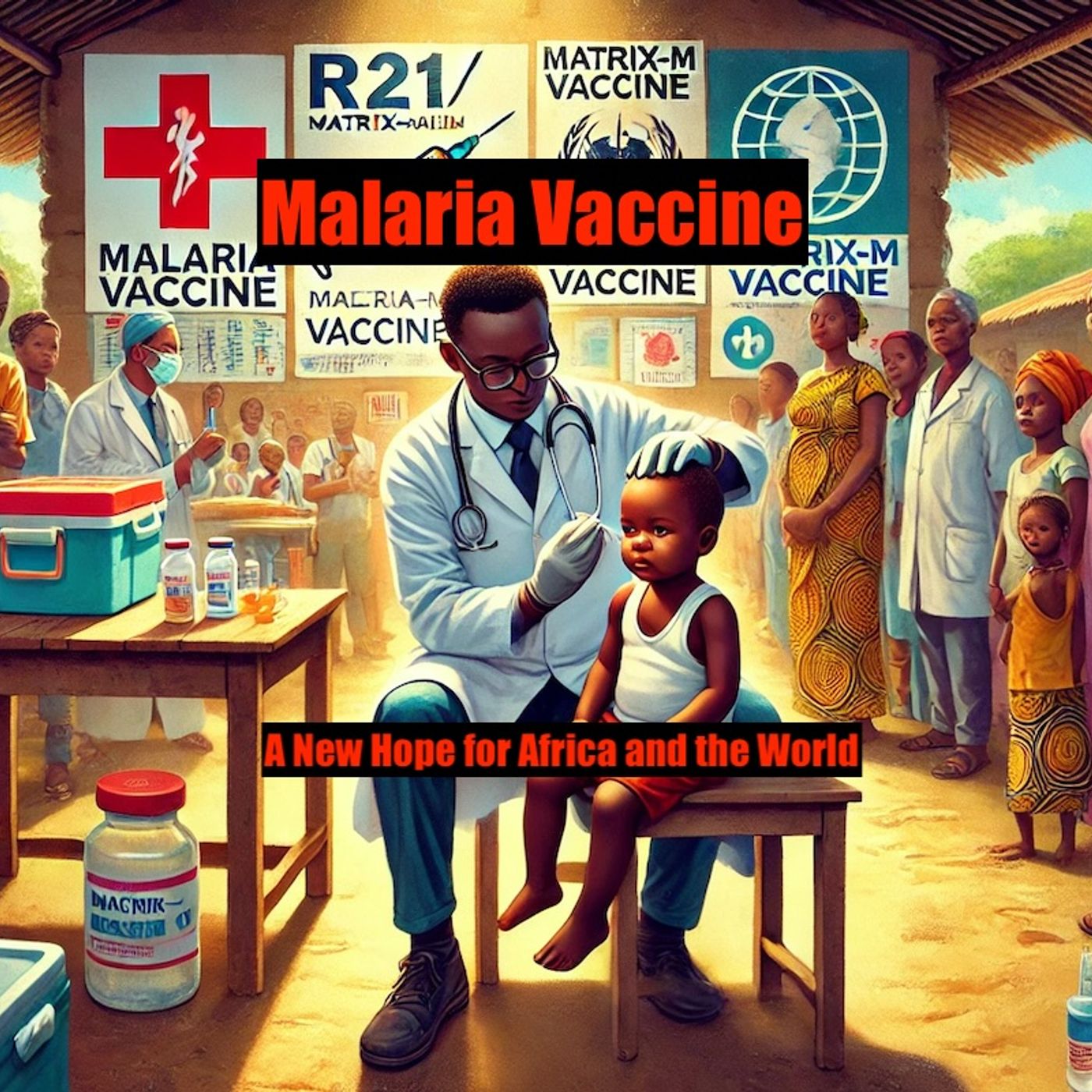
Innovative advances in our fight against malaria have surfaced as researchers turn their attention to the role of the cytokine IL-10 in immune responses elicited by this deadly parasite. Breaking new ground in understanding how malaria manipulates the human immune system, scientists are exploring how IL-10's regulation could be key in developing more effective malaria vaccines.
Malaria, caused by the Plasmodium parasite and transmitted through the bites of infected mosquitoes, continues to be one of the major health challenges globally, particularly in sub-Saharan Africa and South Asia. Despite extensive efforts to control the disease, the World Health Organization reports millions of malaria cases annually, leading to over 400,000 deaths, predominantly among children under five years old.
Current malaria prevention strategies include insecticide-treated netting, antimalarial drugs, and the RTS,S/AS01 (Mosquirix™) vaccine, which was the first to gain World Health Organization approval for use in children in Africa. However, the practical efficacy of existing vaccines remains partially limited, urging scientists to delve deeper into the underlying immune mechanisms.
Recent studies have shown that the cytokine IL-10 plays a significant role in regulating immune responses against malaria. IL-10 is known for its anti-inflammatory properties, often acting to prevent an overactive immune response, which can lead to severe symptoms or even be fatal, as seen in malaria cases. However, this regulatory mechanism also presents a double-edged sword; while it protects against excessive inflammation, it might also suppress the immune system's ability to fight off the malaria parasite effectively.
Researchers have observed that both Clostridioides difficile and the malaria parasite can induce IL-10 production. This revelation sheds light on a potential evolutionary adaptation by the parasite to evade the human immune response, thereby enhancing its survival and transmission.
Understanding this intricate balance—whereby the parasite might be using IL-10 to impair the host's immune defense—opens up new avenues for vaccine development. Scientists are considering strategies to modulate IL-10 responses as part of a targeted vaccine approach. By fine-tuning the immune system's response through genetic or pharmacologic adjustments, future vaccines could potentially be more effective in preventing the disease.
These insights are propelling new phases of research and trials aimed at crafting a vaccine that can either inhibit the parasite's ability to induce IL-10 or bolster the immune system's response despite IL-10's suppressive effects. Such advancements could lead to a breakthrough in malaria prevention, significantly reducing the global burden of the disease.
With continuous research investments and collaborative international efforts, there is hope that these novel insights into the IL-10 pathway could pave the way for highly effective and sustainable malaria vaccines. The intersection of cytokine biology and vaccine technology is proving to be a promising frontier in the ongoing battle against one of the world's most perennial health threats.
This content was created in partnership and with the help of Artificial Intelligence AI