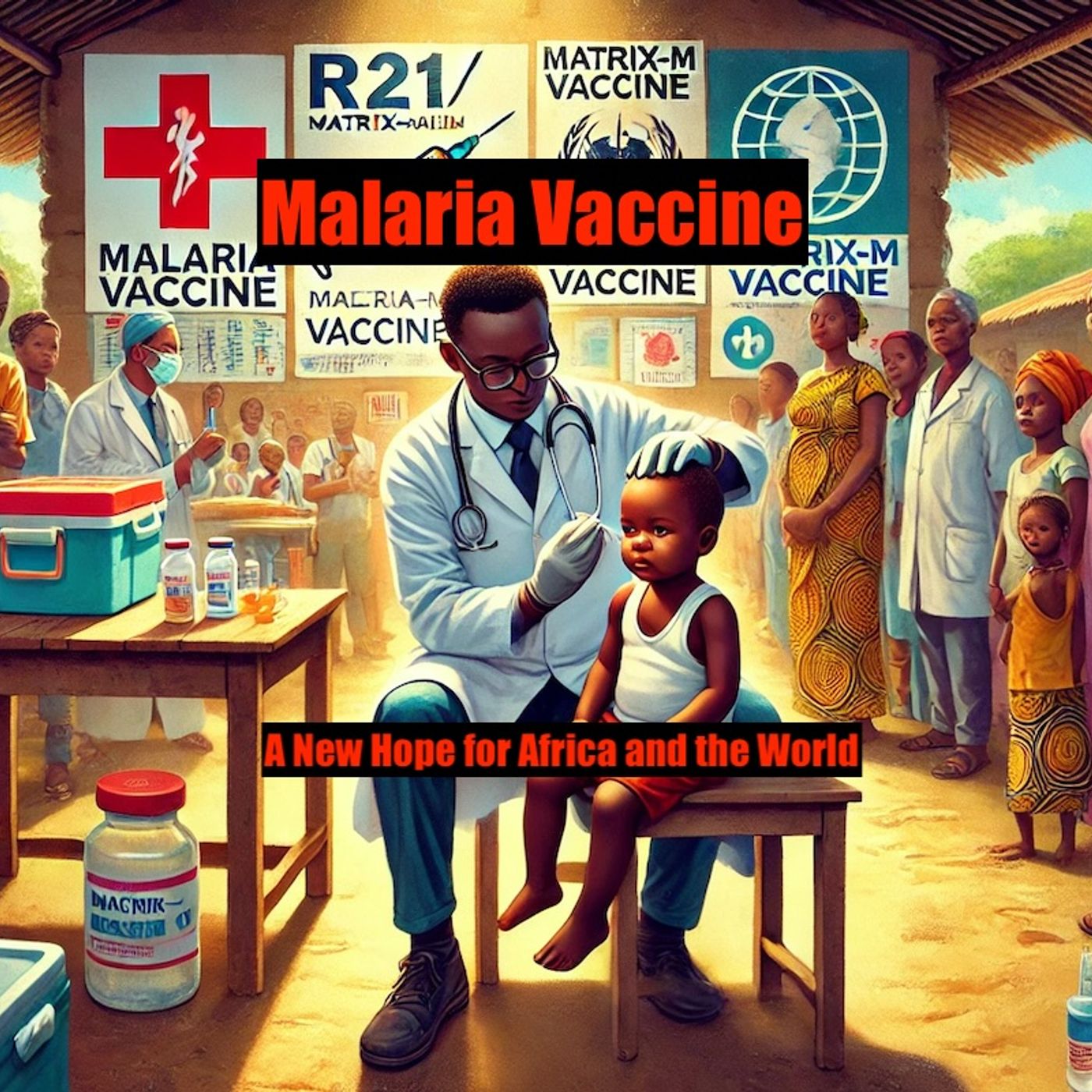
In the ongoing battle against malaria, a disease that affects millions globally, particularly in Africa, recent developments have brought significant hope and progress.
One of the most promising advancements is the R21/Matrix-M malaria vaccine, which has garnered substantial attention and endorsement. The World Health Organization (WHO) has recommended this vaccine for use in children living in areas with moderate to high malaria transmission. This recommendation follows successful phase III trials published in February 2024, which demonstrated the vaccine's unprecedented safety, efficacy, and cost-effectiveness[2][3].
The R21/Matrix-M vaccine has shown high efficacy in highly seasonal malaria settings and good efficacy in age-based administration in low-to-moderate endemicity settings. It reduces uncomplicated malaria by around 40%, severe malaria by approximately 30%, and all-cause mortality by 13%[3].
Recently, the Central African Republic (CAR) introduced the R21/Matrix-M vaccine into its routine Expanded Programme on Immunization (EPI), marking a significant step in preventing the disease and protecting children's lives. This move follows similar introductions in Côte d'Ivoire and other countries. The CAR received 163,800 doses of the vaccine in May 2024, which are being rolled out to all eligible children. This initiative is supported by WHO, UNICEF, and Gavi, the Vaccine Alliance, with a focus on developing vaccination implementation plans, communication strategies, and training for health workers[5].
Despite these advancements, challenges persist. The distribution, access, and acceptance of the vaccine in affected regions remain significant hurdles. Concerted efforts and resources are necessary to ensure the widespread implementation and maximize the impact of the R21/Matrix-M vaccine in eradicating malaria[2].
In addition to the R21/Matrix-M vaccine, scientists are exploring other innovative approaches. Researchers from Heidelberg University, the Centre for Infectious Diseases at Heidelberg University Hospital, and the German Center for Infection Research (DZIF) have developed a new vaccine using genetically modified malaria parasites. These parasites develop normally in mosquitoes but at a significantly slower rate in mice, allowing the animals' immune system to fight them effectively. This approach has shown promise in animal trials, forming an immune memory that protects against severe symptoms during subsequent malaria infections[1].
The fight against malaria is complex, with regional variations of the pathogen, genetic differences in affected populations, co-infections with other pathogens, and increasing resistance to available drugs. However, with the introduction of new vaccines like R21/Matrix-M and ongoing research into novel vaccination procedures, there is renewed optimism in the global effort to combat this deadly disease[4].
This content was created in partnership and with the help of Artificial Intelligence AI