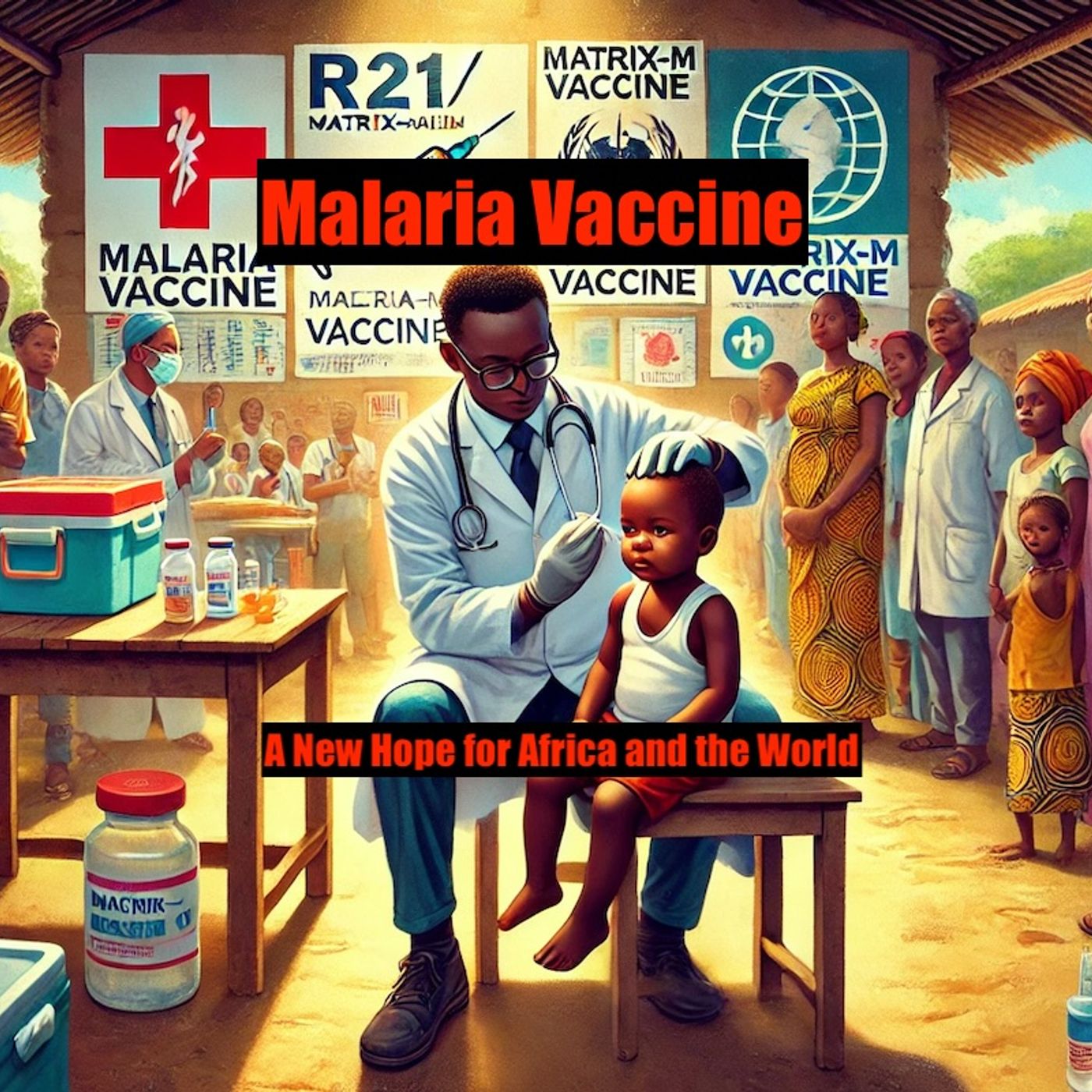
In a significant development in the fight against malaria, several African countries have recently ramped up their efforts to introduce and scale up malaria vaccination programs, marking a crucial milestone in public health.
As of early April 2025, 19 countries in Africa, including Benin, Burkina Faso, Burundi, and others, have begun offering malaria vaccines as part of their childhood immunization programs and national malaria control plans. This rollout includes the use of two WHO-prequalified malaria vaccines: RTS,S and R21. The RTS,S vaccine was prequalified in July 2022, while the R21 vaccine received prequalification in December 2023, ensuring their safety and quality[2].
One of the latest countries to join this initiative is Mali, where the R21/Matrix-M vaccine was officially launched on April 25, coinciding with World Malaria Day. The launch took place in the commune of Kalaban-Coro near Bamako, with the vaccine set to be deployed in 19 priority health districts across five regions. This vaccine will target children aged 5 to 36 months, following a five-dose vaccination schedule. The introduction of the vaccine is seen as a historic step, driven by the commitment of health workers, local communities, and religious leaders, who are crucial in raising awareness and promoting the vaccine[1].
The rollout of these vaccines is part of a broader strategy to combat malaria, which remains a major public health risk in many African countries. Despite existing prevention tools such as insecticide-treated mosquito nets and seasonal malaria chemoprevention (SMC), malaria continues to be a significant cause of medical consultations, hospital admissions, and deaths among children under five. The new vaccines are designed to complement these existing tools rather than replace them, offering a comprehensive approach to protection[1].
The demand for these vaccines is unprecedented, with at least 30 countries in Africa planning to introduce them into their childhood immunization programs. The availability of two safe and effective vaccines ensures sufficient supply to meet the high demand, which is expected to benefit children living in areas heavily affected by malaria[2].
In another significant development, Uganda has launched the largest malaria vaccine introduction to date, aiming to prevent at least 800 cases of severe malaria among children every day. This initiative is expected to ease the financial burden on families and contribute to the overall reduction of malaria-related mortality[3].
These efforts are part of a larger global strategy to eliminate malaria, which has seen notable progress in recent years. However, challenges such as climate change, drug-resistant strains, and new variants of mosquitoes threaten this progress. The introduction and scaling up of malaria vaccines are seen as critical in enhancing global malaria elimination efforts[5].
This content was created in partnership and with the help of Artificial Intelligence AI