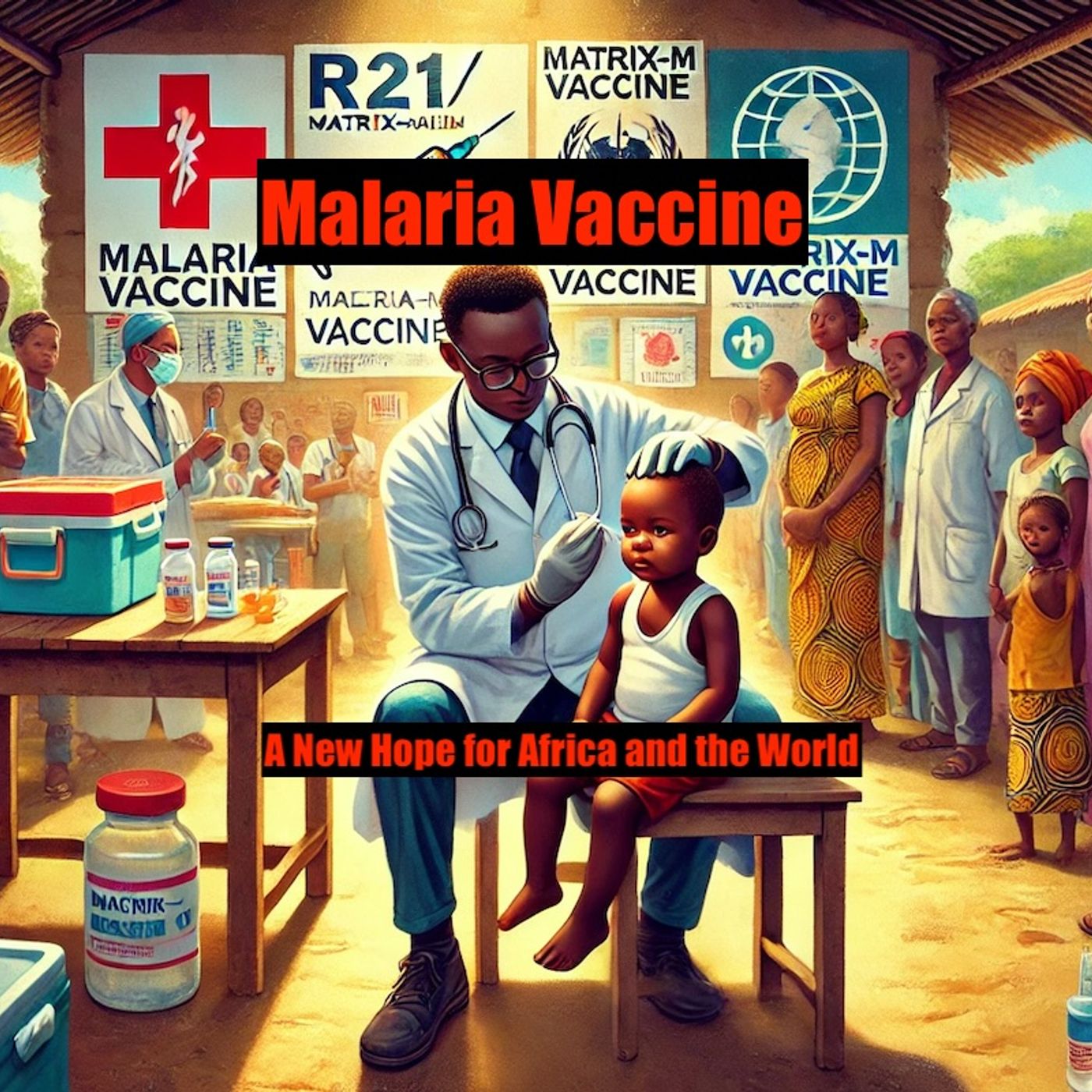
Recent advances in the development of malaria vaccines mark a significant breakthrough in the global health sector, heralding a new era in the fight against one of the world's deadliest diseases. Malaria, caused by Plasmodium parasites transmitted through the bites of infected female Anopheles mosquitoes, has been a major health challenge, particularly in sub-Saharan Africa where the majority of cases and deaths occur.
The most promising vaccine to emerge is RTS,S/AS01 (trade name Mosquirix), developed by GlaxoSmithKline in partnership with the PATH Malaria Vaccine Initiative. The vaccine acts against Plasmodium falciparum, the most deadly malaria parasite globally and the most prevalent in Africa. In clinical trials, RTS,S was found to significantly reduce the number of malaria episodes among young children. According to the World Health Organization (WHO), field trials showed that the vaccine led to a 39% reduction in malaria cases and a 29% reduction in severe malaria cases.
This vaccine's development is particularly notable because it is the first, and currently only, vaccine recommended by the WHO for use against a parasitic disease in humans. The recommendation came after a pilot program rolled out in Ghana, Kenya, and Malawi, reaching more than 800,000 children since 2019. The WHO's endorsement of the RTS,S vaccine in October 2021 offers hope that widespread use could significantly lower the incidence of this disease.
In addition to RTS,S, another vaccine developed by the University of Oxford called R21/Matrix-M has shown promise in early trials. This vaccine demonstrated high efficacy in Phase IIb trials, where it was 77% effective in preventing malaria over 12 months of follow-up. The developers are currently planning larger, Phase III trials to confirm these results. If successful, R21/Matrix-M could complement RTS,S in a broader malaria vaccination strategy, especially given its potential for higher efficacy and easier storage requirements.
The introduction of malaria vaccines is a game changer in global health, primarily benefiting children under the age of five in sub-Saharan Africa who are most vulnerable to the disease. Alongside existing prevention strategies like insecticide-treated mosquito nets and antimalarial drugs, vaccines represent a critical new tool in the malaria eradication toolkit.
Global health authorities are optimistic about the potential impact of these vaccines on malaria control and eventual eradication. The expansion of vaccination programs across malaria-endemic regions could significantly reduce the burden of the disease, preventing millions of cases every year and saving thousands of lives, particularly among children.
However, challenges remain in the rollout of these vaccines, including production capacity, distribution logistics, and maintaining effective vaccination coverage. Additionally, the durability of protection offered by the vaccines and the potential for integrating them into the existing framework of malaria prevention strategies remain areas of active research and policy planning.
The ongoing development and deployment of malaria vaccines signify a historic step forward in the battle against a disease that has plagued humanity for millennia. With continued international cooperation and investment, the dream of a malaria-free world appears increasingly within reach.
This content was created in partnership and with the help of Artificial Intelligence AI