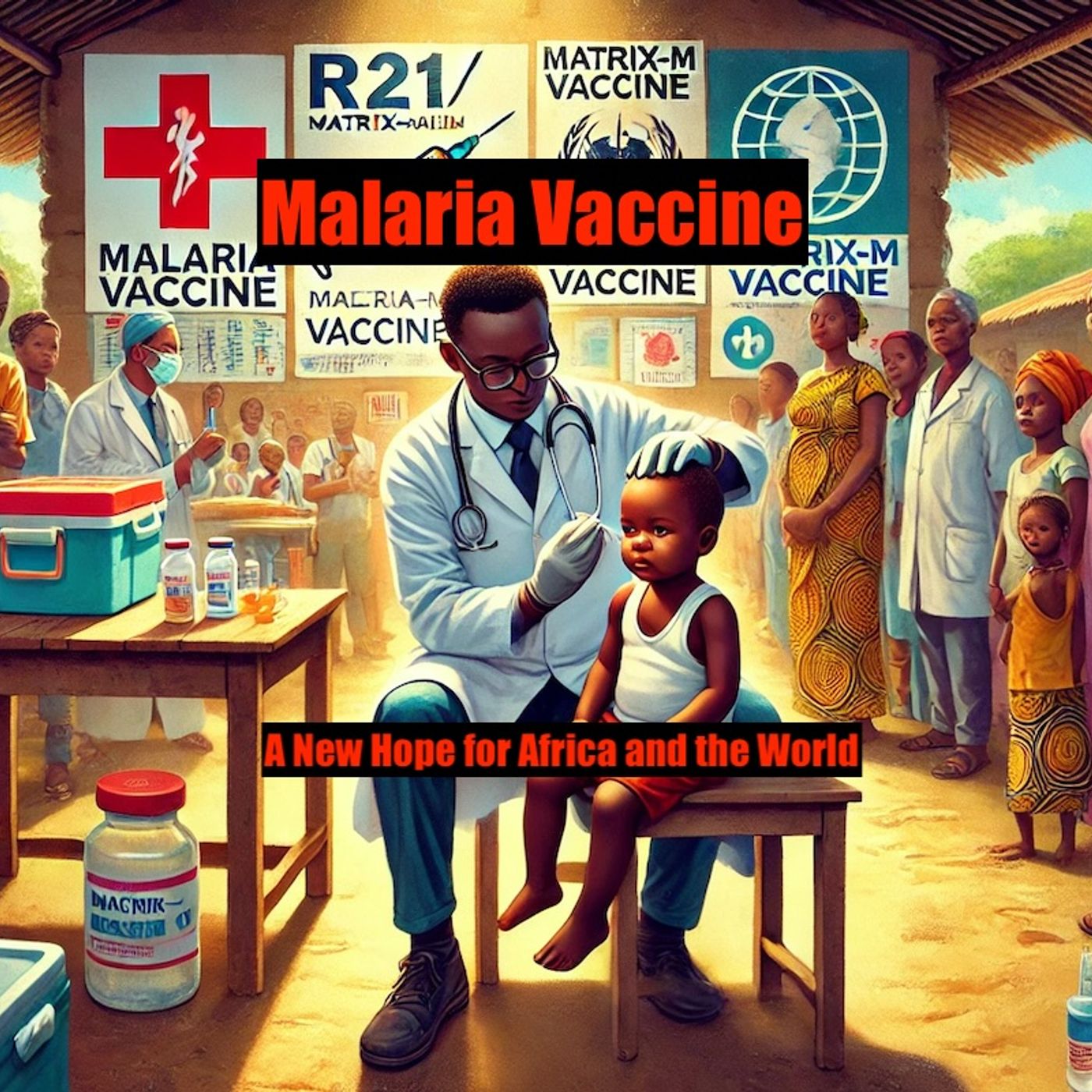
In recent developments, the fight against malaria has seen significant advancements, particularly in the realm of vaccine technology and emergency humanitarian assistance.
On February 7, 2025, Malaria No More issued a statement applauding the U.S. Department of State for granting a waiver to resume critical malaria services. This waiver, under the Emergency Humanitarian Assistance program, is crucial for delivering lifesaving malaria prevention, testing, and treatment to millions of people, primarily young children and pregnant women, in sub-Saharan Africa. The interruption of these services, even for a short period, can lead to outbreaks and deaths. Without this waiver, the 90-day freeze on foreign assistance would have halted the distribution of 15.6 million doses of malaria medicines, 25.3 million rapid diagnostic tests, and 9 million insecticide-treated mosquito nets[1].
On the vaccine front, a novel malaria vaccine, PfSPZ-LARC2, has shown promising results in recent studies. Developed by researchers at the Seattle Children’s Research Institute’s Center for Global Infectious Disease Research and the biotechnology company Sanaria, this vaccine employs a genetically engineered approach to confer high levels of protection against malaria infection. By deleting two key parasite genes, *Mei2* and *LINUP*, the vaccine allows the parasites to replicate in the liver but prevents them from progressing to the blood stage, thus avoiding any malaria symptoms. This dual-gene deletion strategy has demonstrated 90% protection against controlled human malaria infection after a single dose, a significant improvement over current vaccines which reduce uncomplicated malaria by about 40% and severe malaria by about 30%[2][5].
Clinical trials for PfSPZ-LARC2 are set to continue through 2025 in the U.S., Germany, and Burkina Faso to assess its safety and efficacy across diverse populations. This vaccine holds the potential to save millions of lives and could be a key tool in eliminating malaria from defined geographic regions through mass vaccination programs[2][5].
The current landscape of malaria vaccines includes two approved vaccines, RTS,S/AS01 and R21/Matrix-M, recommended by the World Health Organization (WHO) for use in children living in areas with moderate to high malaria transmission. These vaccines have shown moderate protection but do not prevent further transmission of the parasite to mosquitoes. The WHO and global health organizations are working towards developing vaccines with at least 75% protective efficacy against clinical malaria by 2030, as part of the Malaria Vaccine Technology Roadmap[3].
Despite these advancements, malaria remains a significant global health challenge. According to the WHO's latest report, there were an estimated 263 million malaria cases and 597,000 related fatalities worldwide in 2023, with the African region bearing the heaviest burden[4].
These recent developments highlight the ongoing efforts and progress in combating malaria, with a focus on both immediate humanitarian aid and long-term vaccine solutions.
This content was created in partnership and with the help of Artificial Intelligence AI