In recent developments, the global fight against malaria is facing significant challenges and advancements. A critical issue has arisen with the sudden freezing of US aid to malaria projects, which could have devastating consequences, particularly in Africa.
The US government, which has been a major contributor to global malaria control efforts, providing up to $1 billion annually, has halted this funding as part of broader cuts to foreign aid. This move comes at a perilous time, as new variants of malaria are spreading in Africa, and signs of drug and insecticide resistance are emerging in countries such as Eritrea, Ethiopia, South Sudan, Sudan, and Uganda[1].
The impact of these funding cuts is already being felt, with organizations like the Malaria Consortium forced to lay off staff and halt critical programs. For instance, the Malaria Consortium has had to terminate a program in Mozambique and suspend a mosquito monitoring and control training program in Asia. These cuts not only affect the immediate operations but also disrupt the supply chains, rural hospitals, and programs for distributing mosquito nets, exacerbating the financial burden on poor families who need to seek medical care for their children[1].
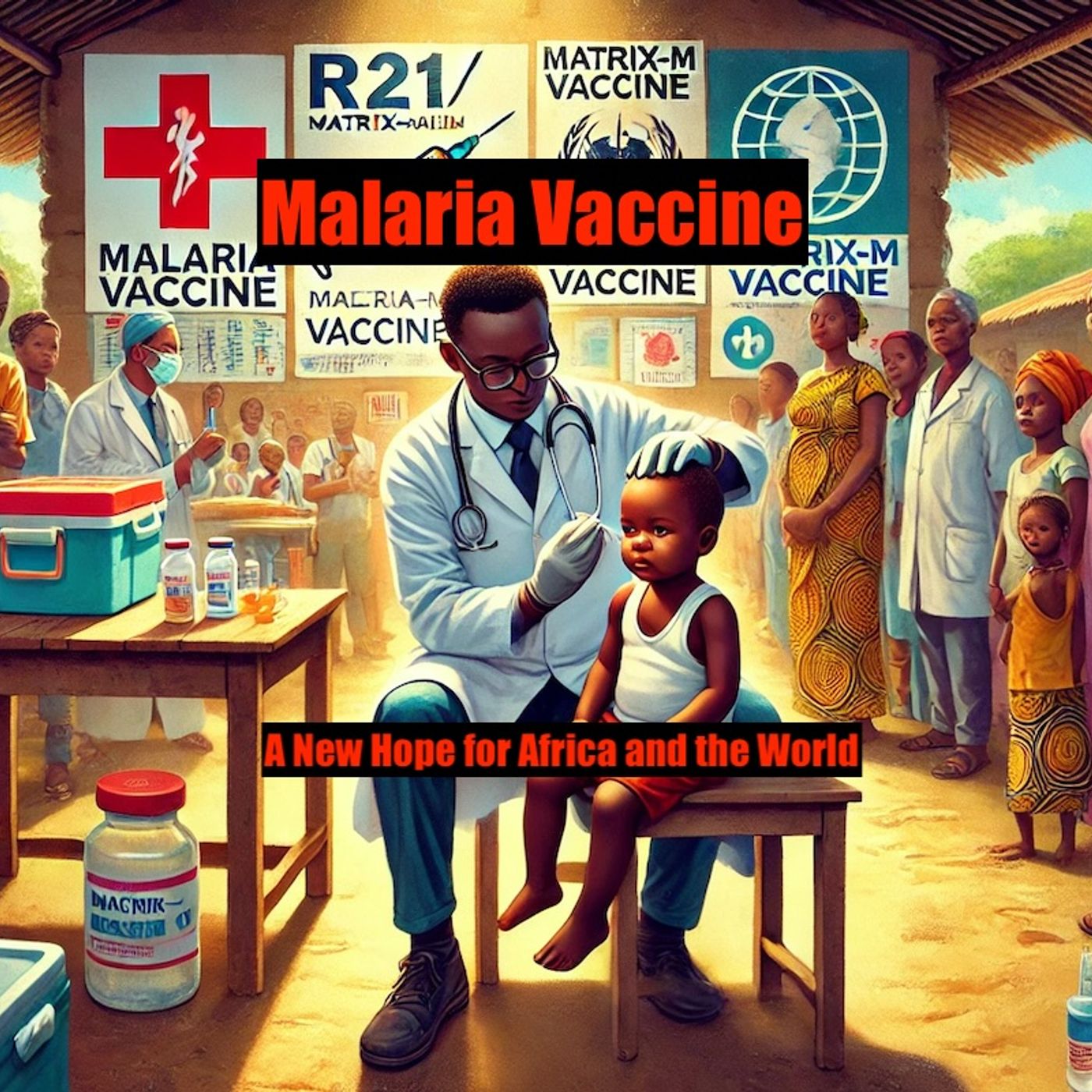
Despite these challenges, there is promising news on the vaccination front. The R21/Matrix-M malaria vaccine has been endorsed by the World Health Organization (WHO) and is being integrated into routine immunization programs in several countries. This vaccine has shown unprecedented safety, efficacy, and cost-effectiveness in phase III trials published in The Lancet earlier this year. It reduces uncomplicated malaria by around 40%, severe malaria by 30%, and all-cause mortality by 13%[2][3].
The Central African Republic recently became the fourth country to introduce the R21/Matrix-M vaccine into its routine Expanded Programme on Immunization (EPI), following Côte d'Ivoire. This initiative, supported by WHO, UNICEF, and Gavi, the Vaccine Alliance, aims to protect children in endemic areas through vaccination, in addition to other preventive measures like insecticide-treated nets and environmental sanitation[5].
In other regions, such as Plateau State in Nigeria, significant strides have been made through seasonal malaria chemoprevention programs. Over one million children received free prophylactic drugs in 2024, leading to a reduction in malaria prevalence from 23% in 2018 to 15% in recent data. This program, administered by the Plateau State Malaria Elimination Programme in partnership with the Malaria Consortium, has trained thousands of ad-hoc staff to reach even the hardest-to-reach communities[4].
As the global community grapples with the immediate consequences of funding cuts, the introduction and expansion of effective malaria vaccines like R21/Matrix-M offer a beacon of hope in the ongoing battle against this deadly disease. However, sustained funding and concerted efforts will be crucial to ensure the widespread implementation and maximum impact of these vaccines.
This content was created in partnership and with the help of Artificial Intelligence AI