In recent days, the global health community has been grappling with significant developments and challenges related to malaria, particularly focusing on outbreaks and vaccine advancements.
In northwest Congo, a surge in malaria cases has raised alarm among health officials. Since late January, nearly 1,100 cases have been reported, with at least 60 deaths. The World Health Organization (WHO) has confirmed that while malaria is prevalent in Congo's Equateur province, detailed investigations are ongoing to determine if other factors are contributing to the outbreak. The hardest hit area is the village of Bomate, where 98% of the cases and 86% of the deaths have been recorded. Patients are exhibiting typical malaria symptoms such as fever, body aches, and chills, but access to medical care has been hindered by the remote locations of the affected villages[1].
Meanwhile, in the realm of vaccine development, BioNTech's investigational RNA vaccine for malaria, BNT165e, has hit a roadblock. The FDA has placed a clinical hold on the Phase I/IIa trial of this mRNA-based vaccine, which is designed to prevent blood-stage infection and induce long-term immunity. Although the reasons for the hold are not specified, BioNTech is working with the FDA to address the concerns and determine the next steps for the trial. This vaccine is part of a broader effort to develop highly effective malaria vaccines, with the goal of reducing disease and infection-related deaths[2].
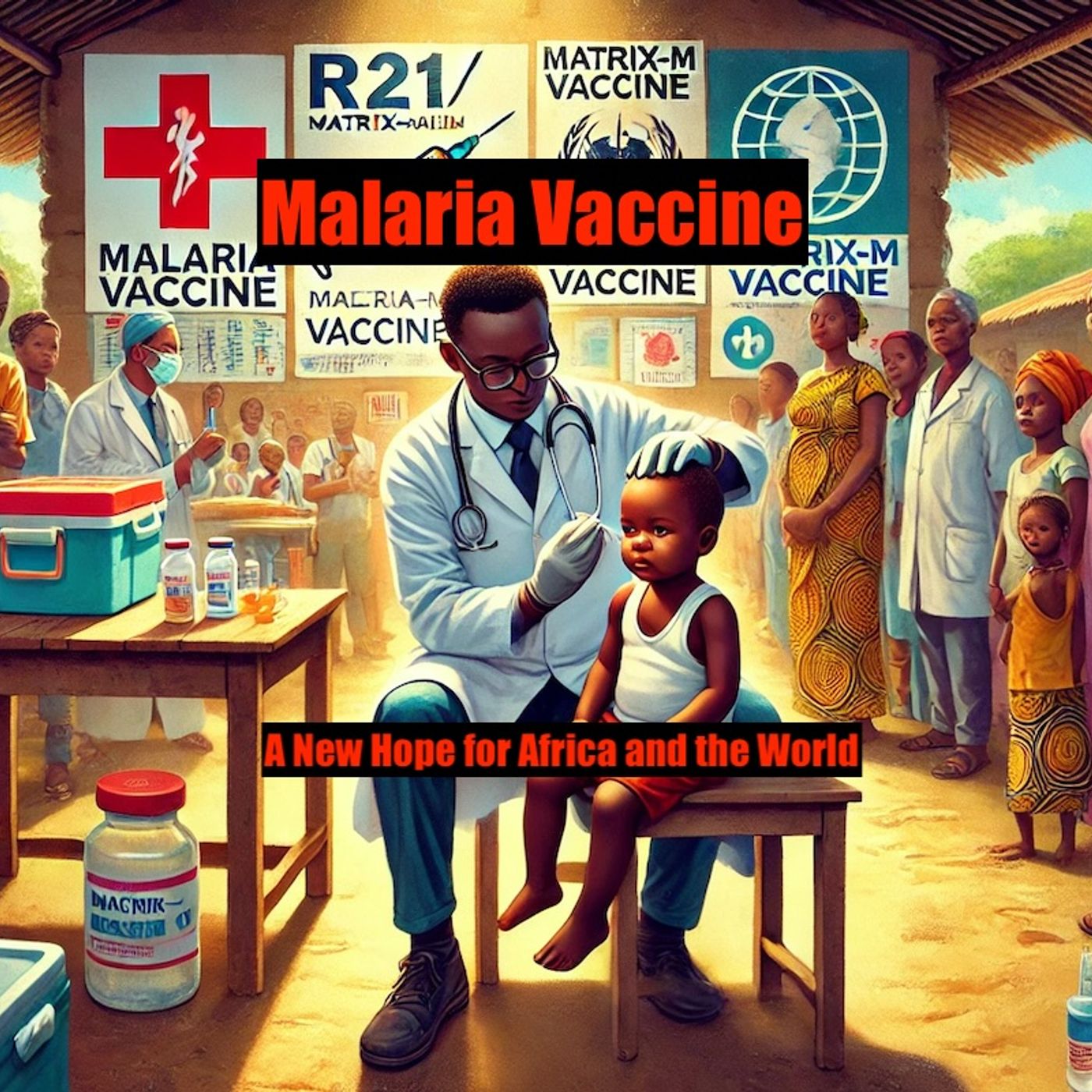
Despite these challenges, there have been significant advancements in malaria vaccine technology. The WHO has recommended the use of two malaria vaccines, RTS,S/AS01 and R21/Matrix-M, for children living in areas with moderate to high malaria transmission. These vaccines have shown promising results, reducing uncomplicated malaria by around 40%, severe malaria by 30%, and all-cause mortality by 13%. The global health community is also exploring new vaccine candidates, such as the PfSPZ-LARC2 vaccine developed by researchers at the Seattle Children’s Research Institute. This genetically engineered vaccine has shown 100% protection against infection in animal models and is set to enter clinical trials this summer[3][5].
The ongoing efforts to combat malaria are underscored by the persistent global burden of the disease. According to the WHO's latest report, there were an estimated 263 million malaria cases and 597,000 related fatalities worldwide in 2023. The African region bears the heaviest burden, with countries like the Democratic Republic of the Congo, Ghana, and Nigeria among those most affected[4].
As research and development continue, the hope is that these new vaccines and ongoing public health strategies will help reduce the incidence of malaria and ultimately move towards its elimination in highly endemic areas.
This content was created in partnership and with the help of Artificial Intelligence AI