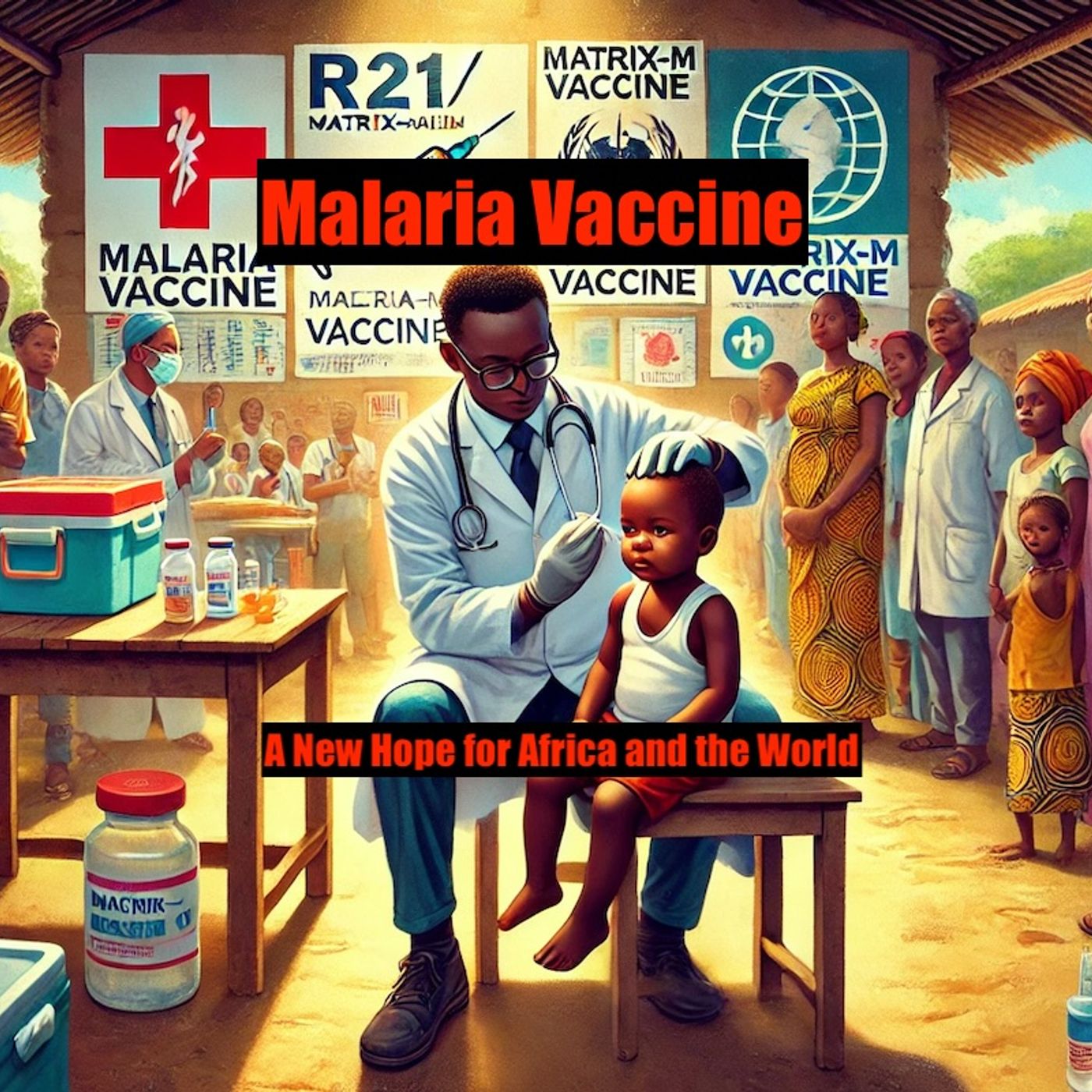
In the ongoing global effort to combat malaria, several recent developments have marked significant strides, particularly in the realm of vaccine development and implementation.
One of the most notable updates comes from the World Health Organization's (WHO) continued push for effective malaria vaccines. Despite the existence of vaccines like RTS,S, which was developed over 25 years ago and prevents only about 40% of uncomplicated malaria cases, the WHO is aiming to produce a more effective vaccine by 2025. This goal is driven by the need to address the over a million malaria-related deaths annually, mostly affecting children in Africa and Asia[2][3].
A recent breakthrough in this endeavor is the R21/Matrix-M vaccine, which has shown unprecedented safety, efficacy, and cost-effectiveness in phase III trials. The WHO endorsed this vaccine in 2023, highlighting its potential to significantly reduce malaria cases, especially in highly seasonal transmission settings. The R21/Matrix-M vaccine has demonstrated high efficacy when administered just before the transmission season and good efficacy in age-based administration in low-to-moderate endemicity settings[3][5].
On the ground, countries are actively integrating these vaccines into their public health strategies. Niger, for instance, has become the latest West African country to launch a large-scale malaria vaccination campaign using the RTS,S vaccine. This campaign, initiated in the southwestern city of Gaya, a hotspot for malaria, aims to lower the mortality rate in children, as malaria accounts for 19% of child deaths in Niger. The vaccine is estimated to be 75% effective in protecting against severe forms of malaria. Alongside vaccination, Niger will continue distributing free mosquito nets and administering preventive medication to children ahead of the wet season[4].
The rollout of malaria vaccines is not limited to Niger; other West African countries such as Cameroon, Ivory Coast, Ghana, Nigeria, Burkina Faso, and the Central African Republic have also authorized the use of RTS,S and R21/Matrix-M vaccines. These efforts underscore the concerted global response to malaria, combining vaccination with other control interventions like insecticide-treated nets (ITNs) and case management to maximize impact[3][4].
While these advancements are promising, challenges such as vaccine distribution, access, and acceptance in affected regions remain significant hurdles. Ensuring widespread implementation and maximizing the impact of these vaccines will require continued resources and efforts from global health authorities and local governments[5].
In summary, the fight against malaria has seen substantial progress with the development and deployment of more effective vaccines like R21/Matrix-M and the ongoing vaccination campaigns in various African countries. As the world moves closer to the WHO's goal of an effective malaria vaccine by 2025, these recent developments offer hope for a future where malaria's deadly grip can be significantly loosened.
This content was created in partnership and with the help of Artificial Intelligence AI