In recent developments, the global fight against malaria has seen significant advancements and new challenges. Here are the key updates from the past few days.
### Local Transmission in the US
For the first time in two decades, the United States has reported locally acquired malaria cases. As of the latest reports, five confirmed cases have been identified in Florida and Texas. These cases are particularly noteworthy because they involve local transmission through anopheles mosquitoes, rather than being linked to international travel. While the number of cases is still small and the overall risk to the population remains low, health officials are on high alert. The CDC has warned doctors and public health officials to be vigilant for more cases, especially as climate change extends the active periods of mosquitoes in the U.S.[1].
### Malaria Vaccine Progress
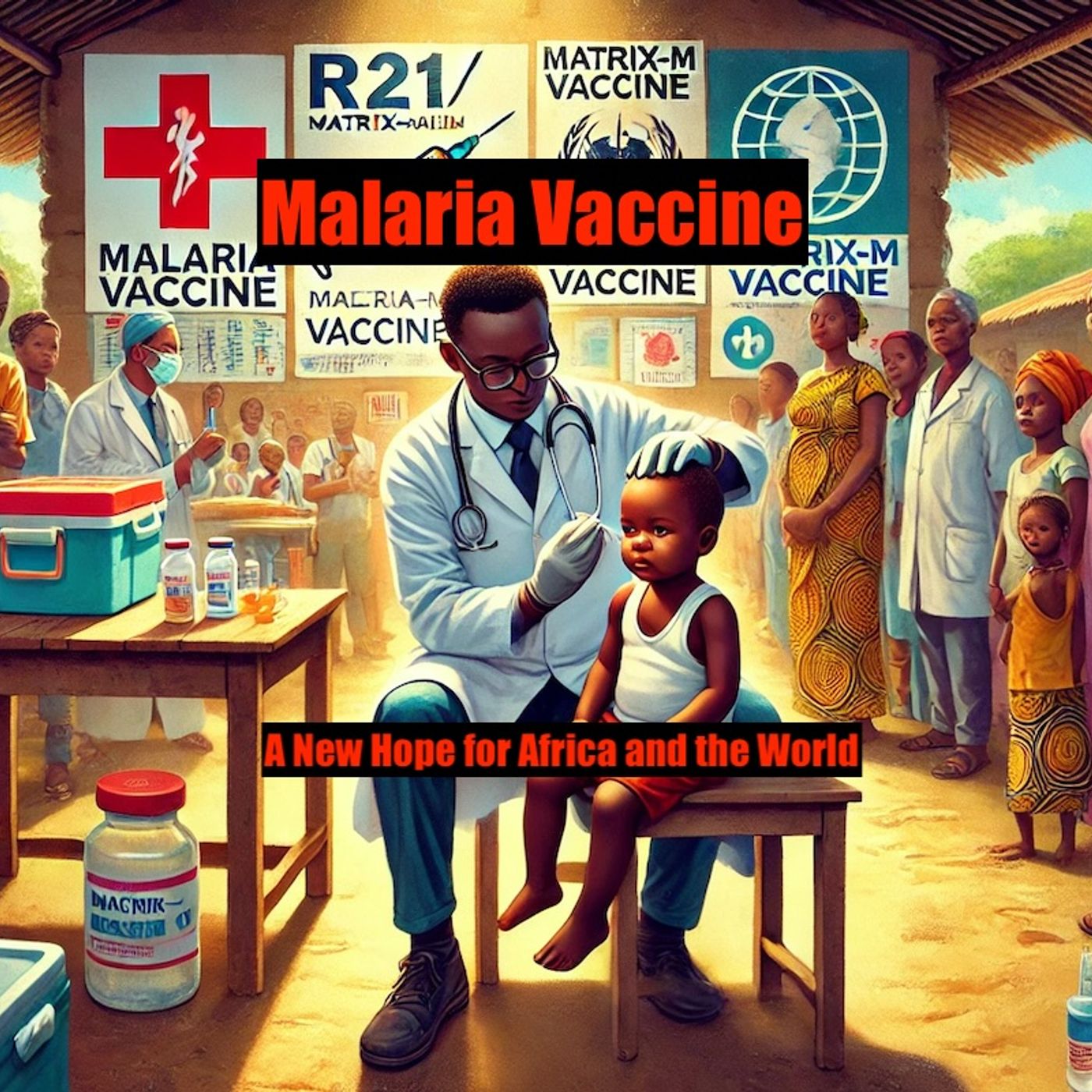
On the vaccine front, there has been substantial progress. The World Health Organization (WHO) has been actively promoting the use of malaria vaccines, particularly the RTS,S and R21/Matrix-M vaccines. Both vaccines have been shown to be safe and effective in preventing malaria in children, especially in areas with moderate and high transmission rates. The WHO updated its recommendations in October 2023 to include both vaccines, highlighting their ability to reduce malaria cases by more than half during the first year after vaccination and by 75% when given seasonally in highly seasonal transmission areas[3][4].
As of December 2024, 17 countries in Africa have integrated these vaccines into their childhood immunization programs, with additional countries planning to follow suit in 2025. The rollout has resulted in a significant drop in child mortality, with a 13% reduction in child deaths from all causes in countries where the vaccines have been implemented. The vaccines have already reached over 3 million children in Ghana, Kenya, and Malawi[3][4].
### Global Impact and Challenges
The demand for these vaccines is unprecedented, with at least 30 African countries planning to introduce them into their national malaria control strategies. Despite the promising efficacy, challenges such as vaccine distribution, access, and acceptance in affected regions remain significant hurdles. Strong partnerships and sustained funding from organizations like Gavi, the Vaccine Alliance, and the Global Fund to Fight AIDS, Tuberculosis and Malaria are crucial for maintaining equitable access and expanding vaccine implementation[3][4][5].
The R21/Matrix-M vaccine, co-developed by the University of Oxford and the Serum Institute of India, has been endorsed by the WHO and represents a breakthrough in malaria eradication efforts. However, ensuring widespread implementation and maximizing its impact will require concerted efforts and resources[5].
In summary, while local transmission of malaria in the U.S. is a new concern, the global community is making strides in combating the disease through effective vaccines and robust public health strategies. As the world moves closer to the WHO's goal of producing an even more effective malaria vaccine by 2025, the ongoing efforts to scale up vaccination programs hold promise for saving tens of thousands of lives, especially among children in endemic regions[2][3][4].
This content was created in partnership and with the help of Artificial Intelligence AI