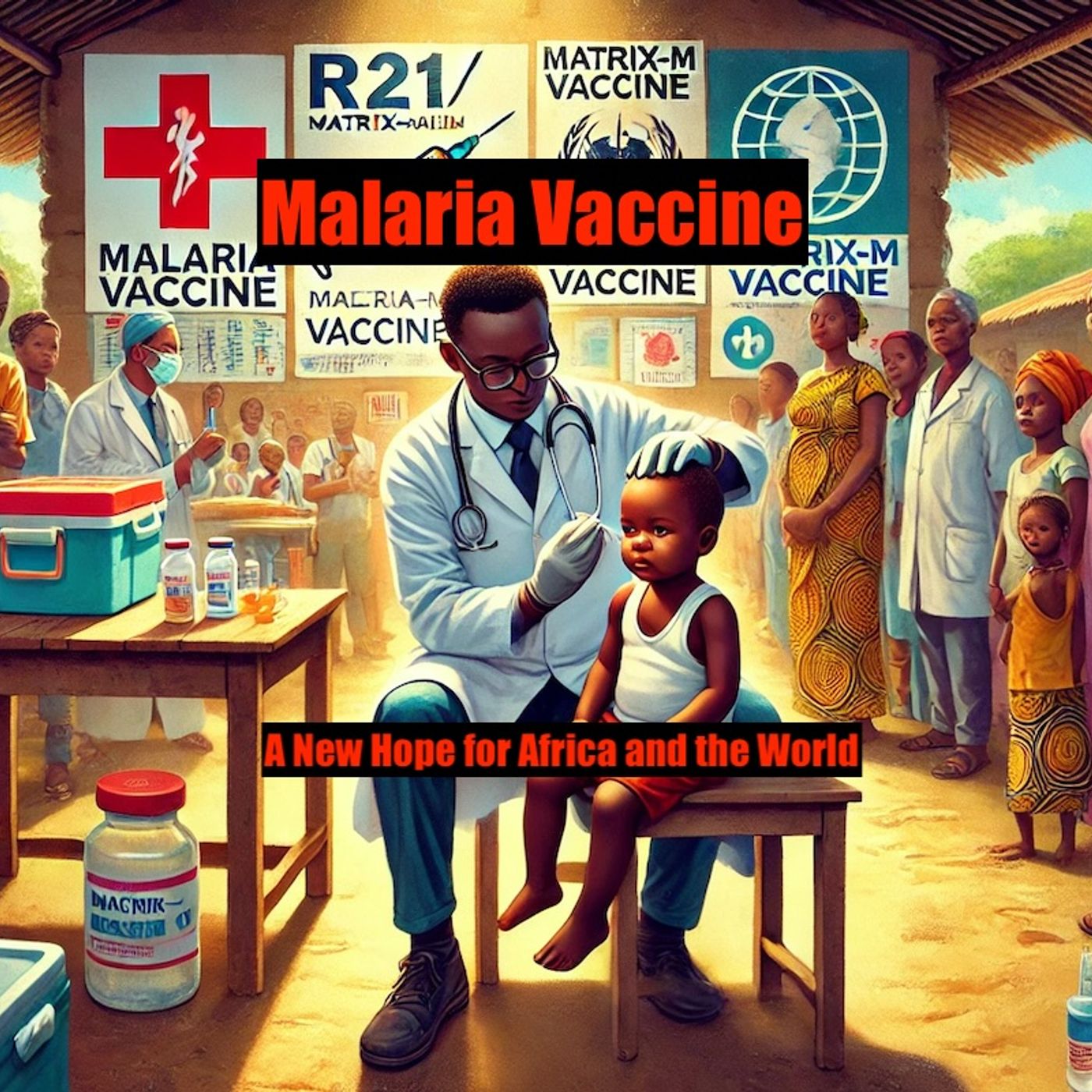
In recent developments, the global effort to combat malaria has seen significant advancements, particularly in the realm of vaccine development and implementation.
Over the past two days, notable progress has been reported in the advancement of malaria vaccine candidates. Research partners have announced the advancement of two malaria vaccine candidates, marking a crucial step in the fight against this debilitating disease. This collaborative effort involves various stakeholders, including pharmaceutical companies and academic institutions, working together to enhance vaccine efficacy and availability[1].
Meanwhile, in the UK, health authorities are preparing for a potential increase in malaria cases this summer. Despite a slight decrease in imported malaria cases, the UK Health Security Agency (UKHSA) data indicates that the numbers remain at concerning levels. This preparation underscores the ongoing global challenge posed by malaria, even in regions not typically associated with the disease[2].
In Africa, where malaria is a major public health threat, Uganda has launched the largest malaria vaccine introduction to date. The R21/Matrix-M malaria vaccine, which is administered in four doses at 6, 7, 8, and 18 months, is initially targeting 1.1 million children under two years in 105 high- and moderate-transmission districts. This initiative, supported by Gavi, the Vaccine Alliance, UNICEF, the World Health Organization (WHO), PATH, and CHAI, marks Uganda as the 19th African country to integrate the malaria vaccine into routine immunization campaigns. The vaccine rollout is part of a broader strategy to protect the most vulnerable populations against malaria, a disease that accounts for a significant portion of outpatient visits, hospital admissions, and deaths in Uganda[3].
The R21/Matrix-M vaccine has been prequalified by the WHO in December 2023, ensuring its safety and quality. Alongside the RTS,S vaccine, which was prequalified in July 2022, these vaccines are being rolled out in 19 African countries as part of their childhood immunization programs. The demand for these vaccines is high, with at least 30 countries in Africa planning to introduce them into their national malaria control strategies. The availability of these two safe and effective vaccines is expected to meet the high demand and significantly benefit children living in areas where malaria is a major health risk[5].
These developments highlight the concerted global effort to combat malaria through vaccination and other interventions, offering hope for a future where the disease can be significantly controlled or even eradicated.
This content was created in partnership and with the help of Artificial Intelligence AI