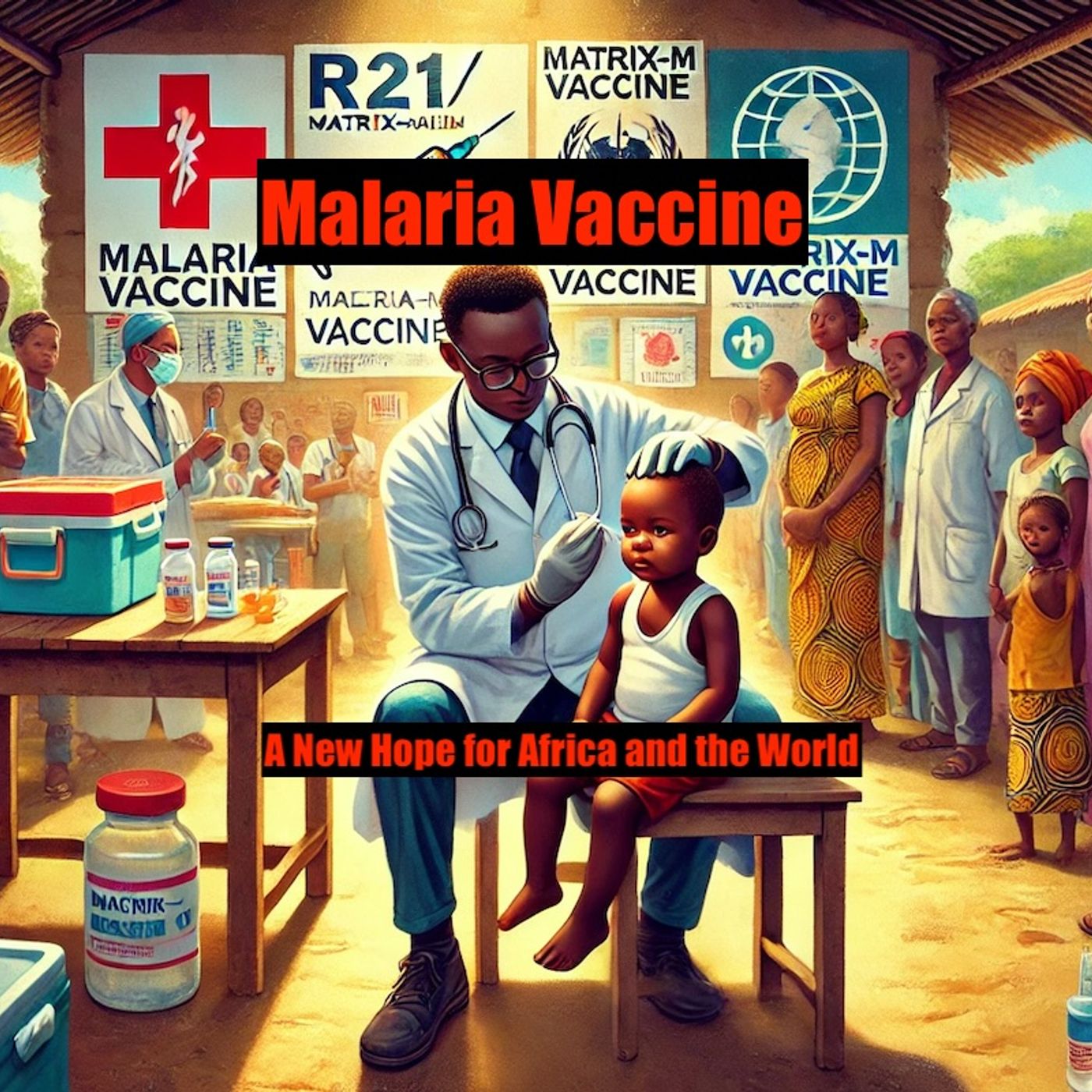
Recent developments in malaria vaccine distribution and research represent significant progress in the global fight against one of the world's deadliest diseases. According to Gavi, the Vaccine Alliance, on November 24, 2025, Gavi and UNICEF announced an equitable pricing deal for the malaria vaccine, marking an important step toward making these life-saving interventions more accessible across vulnerable populations.
The momentum continues with active vaccine rollout efforts across Africa. Uganda's Ministry of Health recently received and distributed 2.278 million doses of malaria vaccines to 105 districts with high and moderate transmission rates, representing a major milestone in the country's efforts to combat the disease. Similarly, Burundi has introduced the malaria vaccine into its routine immunization program, with support from the Ministry of Health, Gavi, UNICEF, and the World Health Organization.
The scale of the malaria challenge remains substantial. According to the World Health Organization, global malaria cases surged to an estimated 263 million in 2023, resulting in more than 597,000 deaths. Approximately 95 percent of these deaths occurred in Africa, where vulnerable groups including children and pregnant women face the greatest risk.
To accelerate progress toward malaria elimination, the Gates Foundation has provided a USD 4.7 million grant to researchers at The Kids Research Institute Australia and The University of Western Australia. This funding will support two interconnected research programs focusing on updating the OpenMalaria platform, an open-source mathematical model that simulates how malaria spreads through communities. The enhanced model will incorporate the latest data on how existing interventions have shifted disease patterns over the past two decades. Additionally, researchers will use mathematical modeling to predict the potential impact of new malaria interventions, including vaccines, medications, and long-acting injectable drugs, even before they enter clinical trials. These tools will help guide product development decisions and estimate how many lives new interventions might save in specific African settings, ultimately supporting informed global policy decisions and accelerating the path toward malaria elimination.
This content was created in partnership and with the help of Artificial Intelligence AI