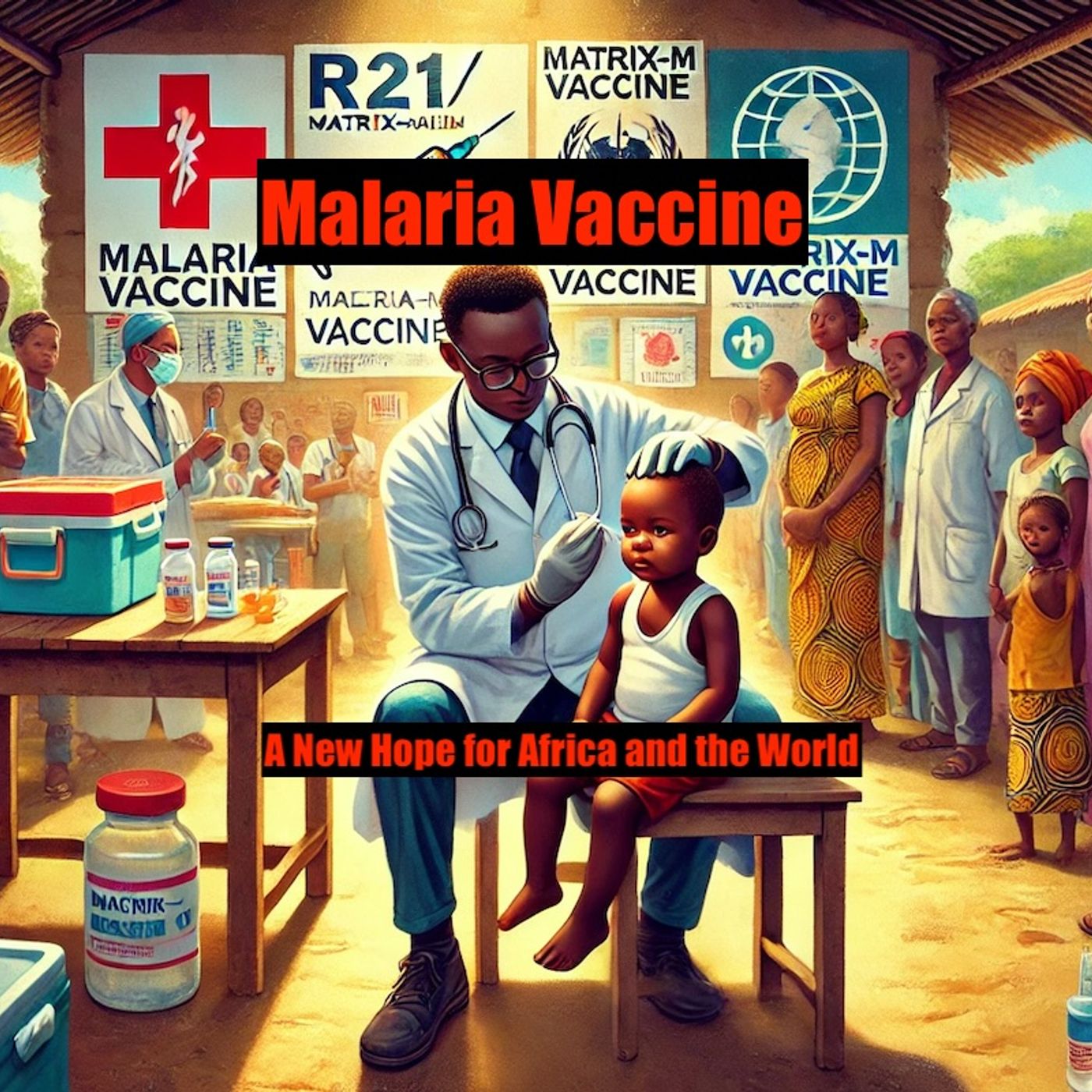
In recent developments, the fight against malaria has seen significant advancements, particularly with the ongoing rollout and clinical trials of malaria vaccines.
As of early April 2025, the introduction of malaria vaccines into routine childhood vaccinations has been well underway. Nineteen countries have already implemented the vaccine sub-nationally, with Uganda being the latest and marking the largest malaria vaccine introduction to date. This makes Uganda the 19th country in Africa to incorporate the malaria vaccine into its immunization campaigns[4].
The vaccines in question, RTS,S and R21, have been prequalified by the World Health Organization (WHO) and have demonstrated substantial efficacy in preventing malaria in children. Both vaccines have been shown to reduce malaria cases by more than half during the first year after vaccination, with a fourth dose in the second year of life prolonging protection. In areas of highly seasonal transmission, when given seasonally along with seasonal malaria chemoprevention, these vaccines can reduce malaria cases by up to 75%[3].
The impact of these vaccines is expected to be high, with tens of thousands of young lives potentially saved each year through their widespread implementation. The WHO emphasizes that the highest public health impact is achieved when these vaccines are used in combination with other recommended preventive, diagnostic, and treatment strategies tailored to the local context[3].
In addition to the ongoing rollouts, there are also ongoing clinical trials aimed at further enhancing malaria vaccine efficacy. For instance, a clinical trial announced in late April 2025 is seeking 22 healthy volunteers aged 18 to 45 to test an experimental malaria vaccine's ability to protect against infection. This trial is part of the continuous effort to improve and expand the arsenal against malaria[1].
Gavi, the Vaccine Alliance, has also been instrumental in supporting these efforts, with 25 countries approved for Gavi funding to implement malaria vaccine programs as of April 2025. This financial support is crucial for scaling up the vaccination programs and ensuring they reach the most vulnerable populations[2].
Overall, the recent news highlights the significant progress being made in the fight against malaria through the development, testing, and implementation of effective malaria vaccines. These efforts are poised to make a substantial impact on public health, particularly in regions with high malaria transmission.
This content was created in partnership and with the help of Artificial Intelligence AI