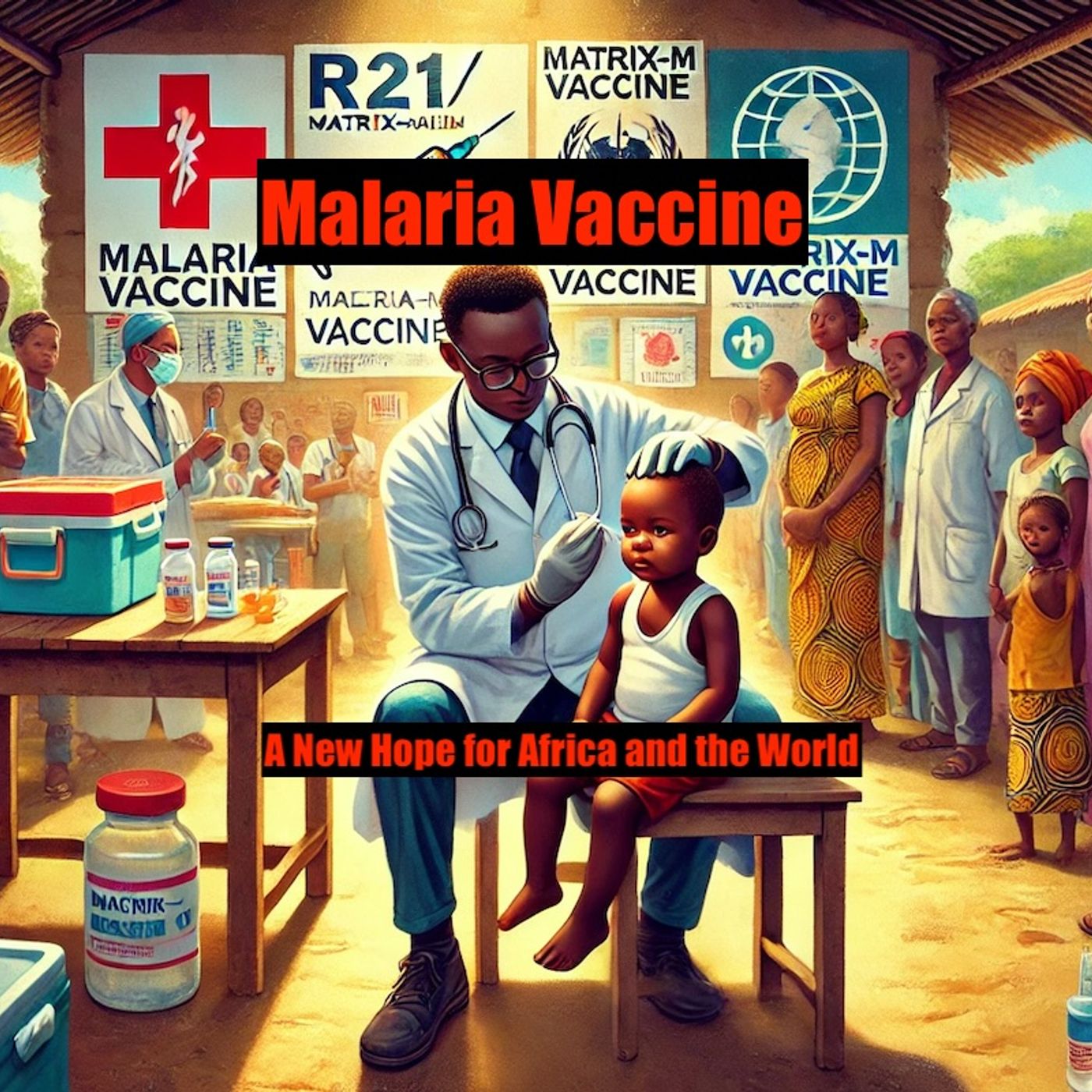
In recent developments, the fight against malaria has seen significant advancements, particularly with the rollout and impact of the malaria vaccine in high-risk areas.
Uganda, one of the countries most affected by malaria, has been at the forefront of this effort. The country has received over 2.1 million doses of the malaria vaccine, which are being distributed across 105 districts identified as high and moderate risk areas[2].
Healthcare professionals in Uganda are optimistic about the vaccine's potential. Moris Ogwang, a registered nurse at Apac General Hospital, highlighted the dire need for such a vaccine, noting that nearly 90% of the children admitted to the hospital are due to malaria. He believes the vaccine will help reduce severe cases of the disease, which are the most challenging to treat. According to Jane Aceng, the vaccine is expected to prevent at least 800 cases of severe malaria in children daily and will also alleviate the financial burden on families by saving them at least 15,000 Ugandan shillings (approximately $4.18) per case[1].
Despite the optimism, there are ongoing concerns about the vaccine's effectiveness, safety, and accessibility. Community members and health experts in Uganda, along with those in Mali and Burundi, are seeking clearer information on the vaccine's efficacy and deployment strategies. These concerns underscore the need for robust public health communication to address these issues[2].
On a more promising note, a new single-dose malaria vaccine, PfSPZ-LARC2, has shown remarkable efficacy in early trials. Developed by researchers from Sanaria and the Seattle Children’s Research Institute, this vaccine demonstrated 90% protection against controlled human malaria infection after just one injection. This breakthrough could significantly enhance global efforts to combat malaria, a disease that caused 263 million cases and nearly 600,000 deaths in 2023, with the majority of these deaths occurring in children under the age of 5[5].
The rollout of malaria vaccines is part of a broader strategy that includes other preventive measures such as the use of treated mosquito nets, integrated community case management of malaria, and larviciding. These combined efforts aim to reduce the incidence of malaria and its severe forms, ultimately working towards a malaria-free future[1][4].
As more countries, including Ethiopia, Guinea, Mali, and Burundi, prepare to roll out the malaria vaccine, the global health community remains vigilant and committed to overcoming the challenges associated with this disease. The introduction of these vaccines marks a crucial step in the ongoing battle against malaria, offering new hope for communities that have long suffered from its devastating impact.
This content was created in partnership and with the help of Artificial Intelligence AI